
Gas detection systems have become indispensable components of modern industrial safety infrastructure, protecting workers, facilities, and surrounding communities from potentially catastrophic exposure to hazardous gases. As industries continue to evolve in 2026, the technology supporting gas detection has advanced significantly, incorporating artificial intelligence, cloud computing, and interconnected sensor networks. Organizations across manufacturing, oil and gas, chemical processing, and other sectors must implement comprehensive gas detection strategies that balance regulatory compliance, operational efficiency, and worker safety.
Understanding Gas Detection Fundamentals
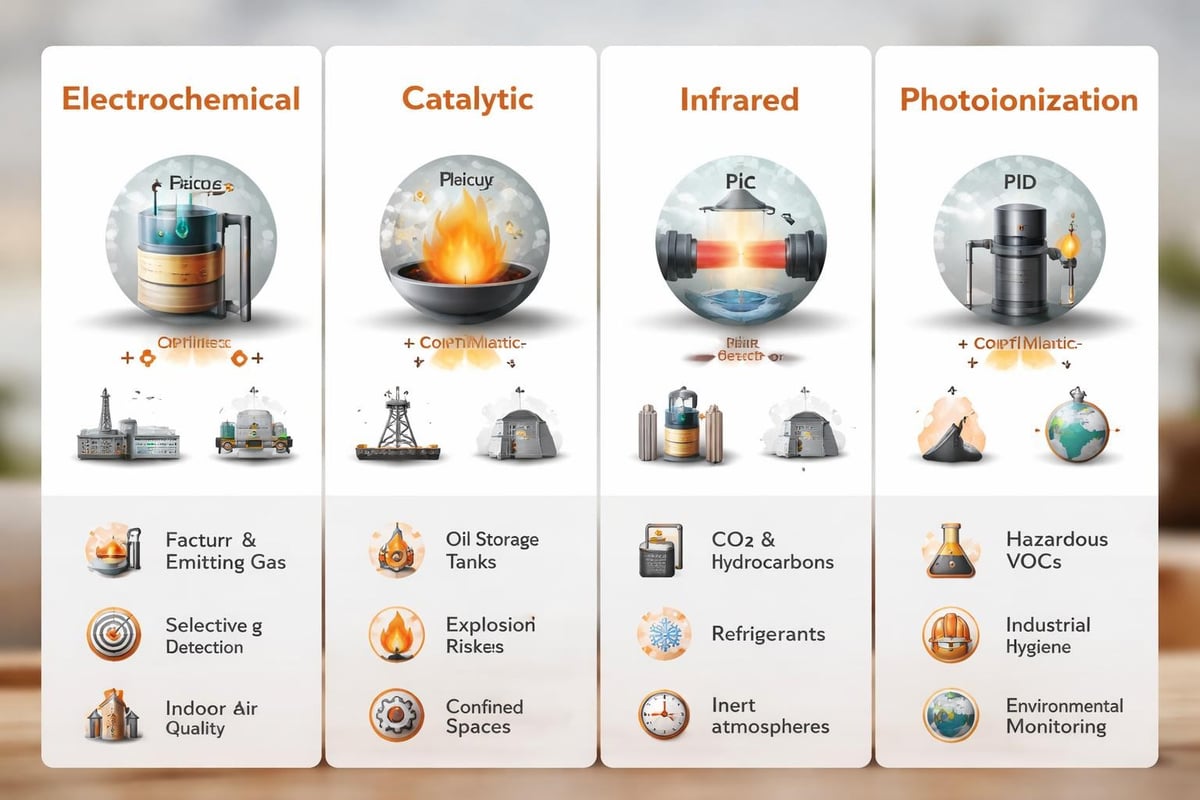
The core principle behind gas detection involves identifying the presence of specific gases in concentrations that may pose risks to health, safety, or operational continuity. Modern systems utilize various sensing technologies, each optimized for detecting particular gas types under specific environmental conditions. Electrochemical sensors, catalytic bead sensors, infrared sensors, and photoionization detectors represent the primary technologies deployed across industrial applications.
Each sensor type operates based on distinct physical or chemical principles. Electrochemical sensors generate electrical currents proportional to gas concentration through chemical reactions, making them highly effective for toxic gases like carbon monoxide, hydrogen sulfide, and nitrogen dioxide. Catalytic sensors detect combustible gases by measuring temperature changes during oxidation processes, while infrared sensors identify gases based on their unique absorption spectra.
Selection Criteria for Detection Technologies
Choosing appropriate gas detection technology requires careful analysis of multiple factors. Target gas characteristics, concentration ranges, response time requirements, environmental conditions, and maintenance considerations all influence technology selection decisions.
-
Target Gas Properties: Different gases exhibit varying chemical and physical characteristics that determine sensor compatibility and effectiveness.
-
Environmental Factors: Temperature extremes, humidity levels, pressure variations, and presence of interfering substances affect sensor performance and reliability.
-
Response Time Requirements: Critical applications demand sensors capable of detecting dangerous concentrations within seconds, while others may tolerate longer detection intervals.
-
Calibration Frequency: Some technologies require frequent calibration to maintain accuracy, impacting operational costs and resource allocation.
-
Power Consumption: Battery-operated portable devices prioritize low-power sensors, while fixed installations can accommodate higher-power options.
The ISA 84.00.07 technical standard provides comprehensive guidance for fire and gas detection systems in process industries, establishing performance-based design criteria and effectiveness metrics. Organizations implementing gas detection systems should reference this standard to ensure their installations meet industry best practices.
Implementation Strategies for Industrial Applications
Deploying effective gas detection systems extends beyond selecting appropriate sensors. Organizations must develop comprehensive implementation strategies addressing system architecture, placement optimization, integration with existing infrastructure, and ongoing maintenance protocols.
System architecture decisions fundamentally shape detection capabilities and operational efficiency. Centralized systems route all sensor data to a single monitoring station, enabling coordinated response and simplified data management. Distributed systems place processing intelligence at individual detection points, improving response times and system resilience.
Network Configuration and Integration
Modern gas detection deployments leverage networked configurations that enable real-time data sharing, remote monitoring, and automated response coordination. Wireless sensor networks reduce installation costs and provide deployment flexibility, particularly valuable in retrofit applications or temporary monitoring scenarios.
| Configuration Type | Primary Advantages | Common Challenges | Best Applications |
|---|---|---|---|
| Wired Networks | Reliability, consistent power | Installation complexity, modification costs | Permanent installations, high-criticality areas |
| Wireless Networks | Deployment flexibility, scalability | Battery management, signal interference | Remote locations, temporary monitoring |
| Hybrid Systems | Optimized reliability and flexibility | Configuration complexity, higher initial cost | Large facilities, diverse monitoring needs |
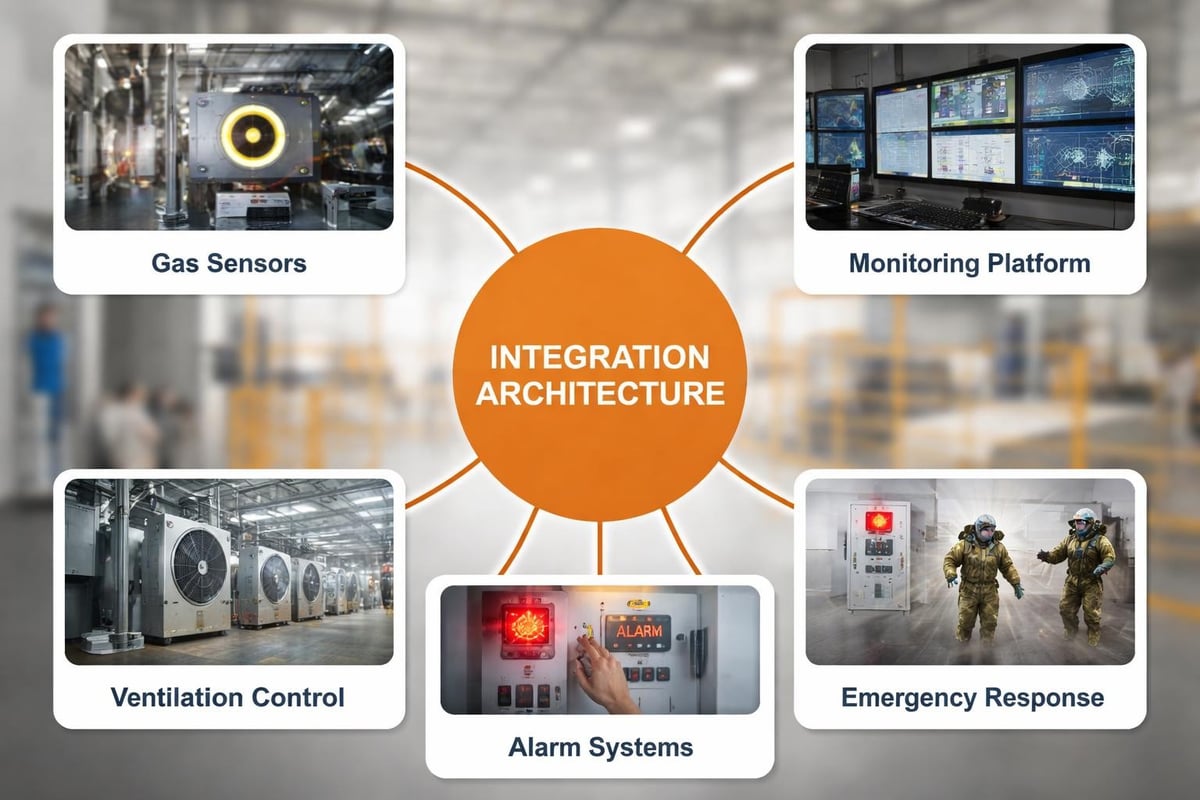
Integration with existing facility management systems amplifies gas detection value by enabling coordinated responses across safety, ventilation, process control, and emergency notification systems. When sensors detect dangerous gas concentrations, integrated systems can automatically activate ventilation equipment, shut down ignition sources, trigger alarms, and notify emergency responders.
Software platforms managing gas detection networks have evolved significantly, incorporating cloud computing, machine learning, and mobile accessibility. These platforms aggregate data from distributed sensors, apply analytics to identify trends and anomalies, generate compliance reports, and provide actionable insights for safety managers.
The Brytend Survey Module offers organizations a powerful tool for documenting gas detection system inspections, maintenance activities, and compliance audits. By creating customized forms that capture equipment condition, calibration results, and environmental factors, safety teams can maintain comprehensive records while identifying patterns that inform preventive maintenance strategies. Learn more about the Brytend Survey Module and how it supports systematic safety management.

Advanced Detection Technologies and Innovations
The gas detection industry continues advancing through research and development efforts focused on improving sensitivity, reducing false alarms, expanding detectable gas ranges, and enabling remote sensing capabilities. Recent innovations demonstrate the potential for transformative improvements in safety outcomes and operational efficiency.
Computer vision techniques combined with thermal imaging represent a significant breakthrough for detecting invisible gas leaks. The RGB-Thermal Cross Attention Network (RT-CAN) demonstrates how combining visible and thermal imaging enables automated detection of gas leaks that would otherwise remain invisible to human observers and traditional sensors. These systems analyze video feeds in real-time, identifying characteristic visual signatures associated with gas releases.
Machine learning applications extend beyond visual detection to encompass predictive maintenance, false alarm reduction, and leak localization. Research on machine learning models for pipeline leak detection shows how intelligent algorithms can identify subtle patterns indicating small leaks before they escalate into major incidents. These systems continuously analyze sensor data, flow rates, pressure readings, and historical patterns to detect anomalies requiring investigation.
Sensor Network Optimization
Optimal sensor placement significantly impacts detection effectiveness, balancing comprehensive coverage against cost constraints and maintenance complexity. Computational fluid dynamics modeling helps predict gas dispersion patterns under various conditions, informing strategic sensor positioning that maximizes detection probability while minimizing equipment requirements.
-
Hazard Analysis: Identify potential gas release sources, probable release scenarios, and dispersion pathways based on facility layout and process characteristics.
-
Coverage Modeling: Apply dispersion modeling to determine gas concentration profiles under different environmental conditions and release scenarios.
-
Detection Probability Analysis: Calculate detection probabilities for various sensor configurations, considering response times, concentration thresholds, and environmental factors.
-
Cost-Benefit Optimization: Balance detection coverage improvements against incremental costs for additional sensors, installation labor, and maintenance requirements.
-
Validation Testing: Conduct controlled gas releases or tracer gas studies to verify actual system performance matches modeling predictions.
Regulatory Compliance and Standards
Gas detection implementation must address multiple regulatory frameworks and industry standards governing workplace safety, environmental protection, and process safety management. Compliance requirements vary by jurisdiction, industry sector, and specific facility characteristics, necessitating careful analysis of applicable regulations.
Occupational safety regulations typically mandate gas detection capabilities when workers may encounter hazardous atmospheres. These regulations specify acceptable exposure limits, required detection capabilities, alarm setpoints, and response protocols. Organizations must demonstrate that their gas detection systems adequately protect workers under reasonably foreseeable conditions.
Environmental regulations may require monitoring and reporting of fugitive emissions, necessitating detection capabilities that identify and quantify releases to the atmosphere. Airborne LiDAR systems for methane detection enable large-area surveys identifying emission sources across extensive facilities or pipeline networks, supporting compliance with increasingly stringent emission reduction requirements.
Documentation and Record-Keeping
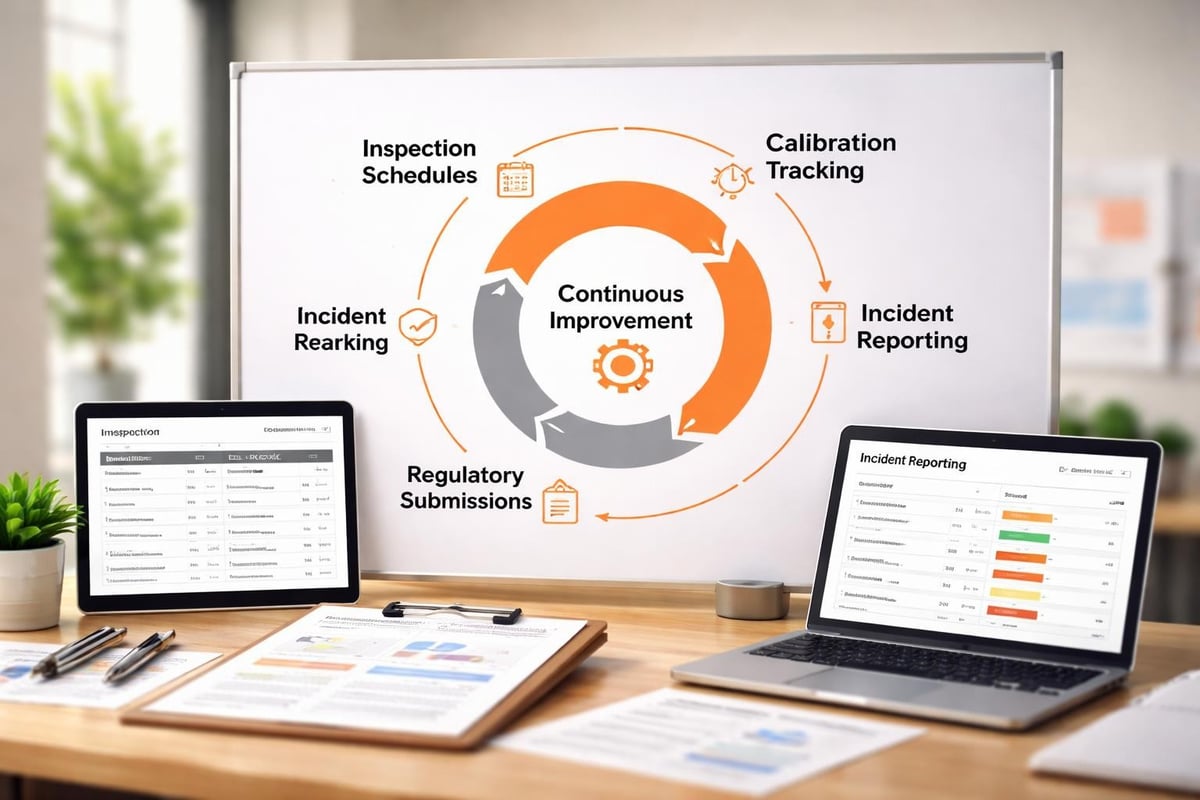
Regulatory compliance extends beyond installing appropriate detection equipment to encompass comprehensive documentation of system design rationale, maintenance activities, calibration records, alarm events, and response actions. Robust record-keeping systems demonstrate due diligence and support continuous improvement initiatives.
Electronic documentation platforms streamline compliance activities by automating data collection, applying validation rules, generating required reports, and maintaining complete audit trails. These systems reduce administrative burden while improving documentation quality and accessibility. You can explore additional resources through the Brytend post sitemap for comprehensive information on industrial software solutions.
Maintenance and Lifecycle Management
Sustaining gas detection system effectiveness requires ongoing maintenance, calibration, testing, and eventual equipment replacement. Organizations must establish maintenance programs balancing reliability requirements against resource constraints and operational disruptions.
Calibration represents a critical maintenance activity ensuring sensors maintain accuracy throughout their operational life. Sensor technologies exhibit varying calibration intervals, with electrochemical sensors typically requiring monthly or quarterly calibration while infrared sensors may maintain accuracy for six months or longer. Industrial Scientific Corporation and other manufacturers provide detailed calibration protocols and test gas supplies supporting maintenance programs.
Preventive maintenance schedules should address multiple system components beyond individual sensors. Control panels, communication networks, power supplies, alarm devices, and integration interfaces all require periodic inspection and testing to ensure comprehensive system reliability.
Lifecycle Cost Analysis
Total cost of ownership for gas detection systems extends beyond initial equipment and installation expenses to encompass ongoing operational costs. Organizations should conduct lifecycle cost analyses comparing alternative technologies and configurations.
| Cost Category | Typical Considerations | Optimization Strategies |
|---|---|---|
| Initial Equipment | Sensor units, controllers, infrastructure | Standardization, volume purchasing, phased deployment |
| Installation | Labor, conduit, wiring, commissioning | Wireless technologies, modular designs, contractor efficiency |
| Calibration | Test gas, technician time, downtime | Sensor technology selection, automated systems, scheduling optimization |
| Maintenance | Inspection labor, replacement parts, preventive activities | Predictive maintenance, reliability-centered approaches, service contracts |
| Replacement | Sensor lifecycle, obsolescence, technology upgrades | Lifecycle planning, strategic reserves, technology roadmaps |
Data Analytics and Continuous Improvement
Modern gas detection systems generate substantial data streams that, when properly analyzed, provide valuable insights supporting safety improvements, operational optimization, and strategic planning. Organizations should implement analytics capabilities extracting maximum value from detection system data.
Trend analysis identifies patterns in gas concentrations, alarm frequencies, sensor drift rates, and environmental correlations. These patterns reveal opportunities for process improvements, maintenance optimization, and risk reduction. Facilities experiencing frequent low-level alarms in specific areas might investigate process modifications, enhanced ventilation, or equipment upgrades addressing root causes.
Benchmark comparisons between similar facilities or different areas within a single facility highlight performance variations warranting investigation. Understanding why some locations experience fewer incidents or longer sensor lifecycles enables best practice identification and replication. Advanced platforms incorporating novel non-contact detection techniques may offer additional data sources enriching analytical capabilities.
Predictive Analytics Applications
Machine learning models trained on historical detection data can predict sensor failures, identify emerging hazards, and optimize maintenance schedules. These predictive capabilities shift maintenance strategies from reactive or time-based approaches toward condition-based interventions that maximize reliability while minimizing unnecessary activities.
Specialized monitoring platforms like WatchGas demonstrate how purpose-built software solutions can enhance gas detection capabilities through real-time monitoring, alert management, and comprehensive reporting. Such platforms integrate with diverse sensor types and communication protocols, providing unified visibility across complex detection networks.
Specialized Applications and Technologies
Different industries face unique gas detection challenges requiring specialized solutions. Understanding these specialized applications helps organizations identify technologies and approaches most relevant to their specific circumstances.
Confined space entry represents one of the most hazardous scenarios requiring portable multi-gas detectors. Workers entering tanks, vessels, trenches, or other confined spaces must verify atmospheric conditions before entry and maintain continuous monitoring throughout work activities. Portable detectors typically monitor oxygen levels, combustible gases, carbon monoxide, and hydrogen sulfide as a minimum complement.
Environmental monitoring of volcanic gases demonstrates how specialized gas detection technologies support scientific research and hazard assessment in extreme environments. Multi-component gas analyzer systems provide real-time, high-resolution measurements enabling researchers to track volcanic activity and predict potential eruptions.
Emerging Applications
Research continues expanding gas detection applications into new domains. Language-based selective zero-shot background subtraction for semi-transparent gas leak detection represents cutting-edge work applying advanced computer vision and natural language processing to gas detection challenges. These innovations may enable more accessible, cost-effective detection capabilities in coming years.
Industries adopting Industry 4.0 principles increasingly integrate gas detection with broader digital transformation initiatives. Connected sensors contribute data to comprehensive facility monitoring platforms, enabling holistic approaches to safety, quality, and operational efficiency. RAE Systems and other manufacturers continue developing wireless, cloud-connected detection instruments supporting these integrated approaches.
Frequently Asked Questions
What is the difference between fixed and portable gas detection systems?
Fixed gas detection systems remain permanently installed at specific locations within a facility, continuously monitoring for dangerous gas concentrations in areas where releases are most likely or consequences would be severe. Portable systems are carried by workers, providing personal protection during mobile tasks or temporary work in areas without fixed detection coverage. Organizations typically deploy both types in complementary roles addressing different risk scenarios.
How often should gas detection sensors be calibrated?
Calibration frequency depends on sensor technology, manufacturer recommendations, regulatory requirements, and application criticality. Electrochemical sensors typically require calibration every 30 to 90 days, while infrared sensors may maintain accuracy for six months or longer. High-criticality applications may mandate more frequent calibration regardless of sensor type. Organizations should document calibration schedules and maintain records demonstrating compliance with applicable requirements.
What gases should industrial facilities monitor?
Target gases vary by industry, processes, and materials handled. Common monitoring targets include combustible gases (methane, propane, hydrogen), toxic gases (carbon monoxide, hydrogen sulfide, chlorine, ammonia), and asphyxiants (oxygen deficiency, carbon dioxide, nitrogen). Comprehensive hazard assessments identify specific gases requiring monitoring based on process materials, potential failure modes, and consequence analysis.
How do environmental conditions affect gas detection accuracy?
Temperature extremes, high humidity, pressure variations, and interfering substances can significantly impact sensor performance. Most sensors specify operating ranges for temperature and humidity, with accuracy degrading outside these ranges. Manufacturers provide correction factors for some environmental effects, while others require sensor technology changes. Facility-specific validation testing helps understand actual performance under local conditions.
What is the typical lifespan of gas detection sensors?
Sensor lifespan varies considerably by technology and application environment. Electrochemical sensors typically last 18 to 36 months, catalytic sensors 3 to 5 years, and infrared sensors 5 to 10 years. Harsh environments, frequent exposure to high gas concentrations, or presence of sensor poisons may significantly reduce these lifespans. Monitoring sensor performance trends helps identify degradation before complete failure.
Can gas detection systems integrate with other facility safety systems?
Modern gas detection systems typically offer multiple integration options including analog outputs, digital communication protocols, relay contacts, and network interfaces. These capabilities enable coordination with ventilation controls, process shutdown systems, fire alarm panels, emergency notification systems, and facility management platforms. Integration amplifies safety benefits by enabling automated, coordinated responses to detected hazards.
What are the main causes of false alarms in gas detection systems?
False alarms arise from multiple sources including sensor drift, environmental interference, cross-sensitivity to non-target gases, contamination, physical damage, and improper calibration. Condensation on sensors, exposure to cleaning chemicals, electrical interference, and vibration can also trigger false alarms. Regular maintenance, proper sensor selection for the environment, and sophisticated alarm algorithms help minimize false alarms while maintaining genuine hazard detection capabilities.
You Might Also Be Interested in the Next Articles
- Brytend Service Module
- Brytend Survey Module
- WatchGas Solutions
- Brytend Homepage
- Brytend Blog Archive
Implementing effective gas detection systems requires balancing technology selection, regulatory compliance, operational efficiency, and ongoing maintenance in ways that protect workers while supporting business objectives. As industries continue advancing toward more connected, data-driven operations in 2026, organizations need software solutions that integrate gas detection with broader safety and operational management initiatives. Brytend specializes in developing custom software solutions that connect disparate systems, automate complex workflows, and provide actionable insights from industrial data. Whether you need to integrate legacy detection equipment with modern platforms, develop custom analytics capabilities, or build comprehensive safety management systems, our experienced development team can create solutions tailored to your specific requirements and operational context.
Article written using RankPill.