Managing gas detection equipment rentals involves complex coordination across inventory tracking, maintenance schedules, calibration records, compliance documentation, and customer service. Specialized gas detection rental software addresses these challenges by consolidating operational workflows into unified platforms that improve efficiency, reduce errors, and enhance customer satisfaction. As safety regulations become more stringent and rental demands increase, companies that operate in this space need technology solutions that streamline their entire business process.
Understanding Gas Detection Rental Operations
The gas detection equipment rental industry serves contractors, industrial facilities, construction companies, and emergency response teams requiring temporary or project-based access to safety equipment. These operations differ substantially from standard equipment rentals due to regulatory requirements, mandatory calibration cycles, and critical safety implications.
Rental providers must track each device's certification status, calibration history, service intervals, and compliance documentation while managing customer reservations, delivery logistics, and billing processes. Manual systems create bottlenecks, increase administrative overhead, and introduce risks of compliance failures.
Core Operational Challenges
-
Equipment Certification Tracking: Gas detectors require regular calibration and certification to ensure accurate readings, with specific intervals mandated by safety standards and manufacturer specifications.
-
Maintenance Scheduling: Preventive maintenance must occur between rental cycles without disrupting availability or revenue generation.
-
Compliance Documentation: Rental agreements often require proof of calibration, service history, and certification validity for insurance and regulatory purposes.
-
Inventory Visibility: Real-time knowledge of equipment location, availability status, and condition across multiple facilities or service areas.
-
Customer Communication: Timely notifications about rental periods, equipment returns, service requirements, and documentation delivery.
-
Revenue Optimization: Maximizing utilization rates while accounting for maintenance downtime and ensuring equipment readiness.
Essential Features of Gas Detection Rental Software
Modern gas detection rental software platforms integrate specialized capabilities designed specifically for safety equipment management. These systems extend beyond generic rental management by incorporating industry-specific requirements and workflows.
Serialized Asset Management
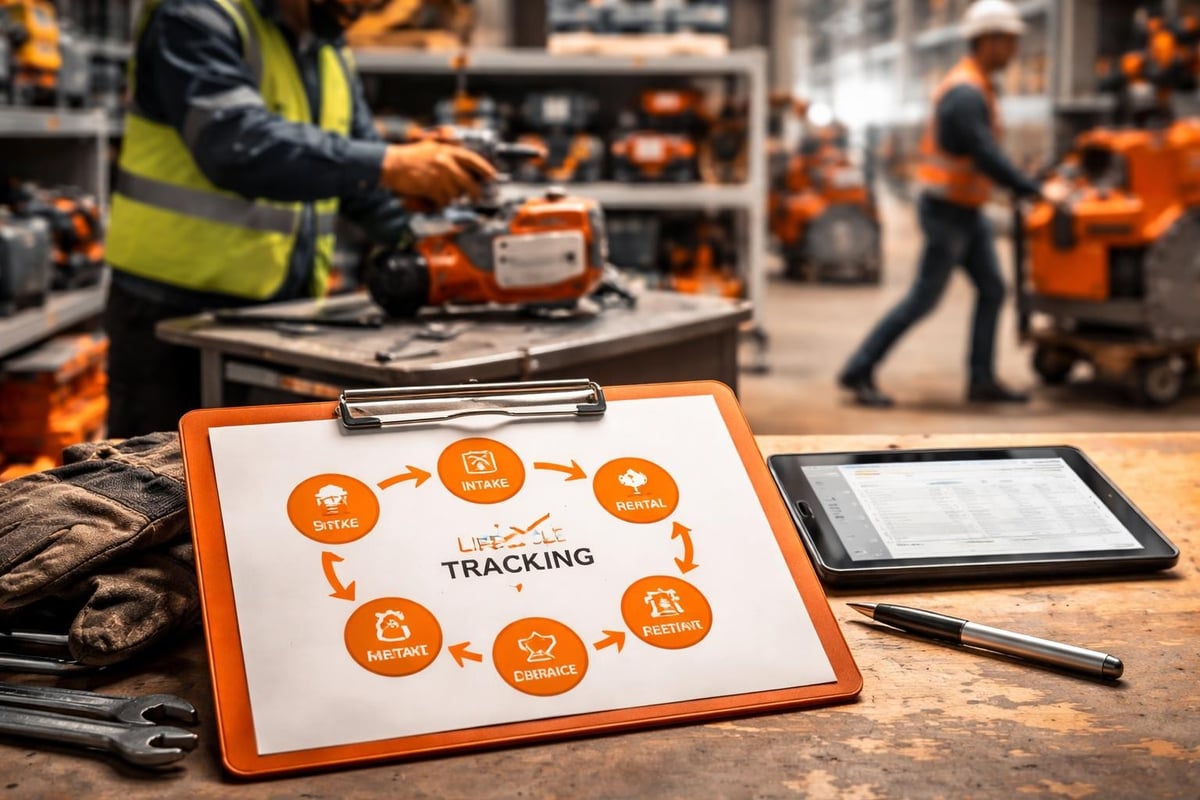
Every gas detector requires individual tracking due to unique calibration dates, service histories, and certification requirements. Software platforms assign unique identifiers to each device, creating comprehensive digital records that follow equipment throughout its lifecycle.
This granular tracking enables operators to instantly access calibration certificates, maintenance logs, rental history, and performance data for any specific unit. When customers request documentation or regulators conduct audits, staff can retrieve complete records within seconds rather than searching through paper files or spreadsheet tabs.
Automated Calibration Scheduling
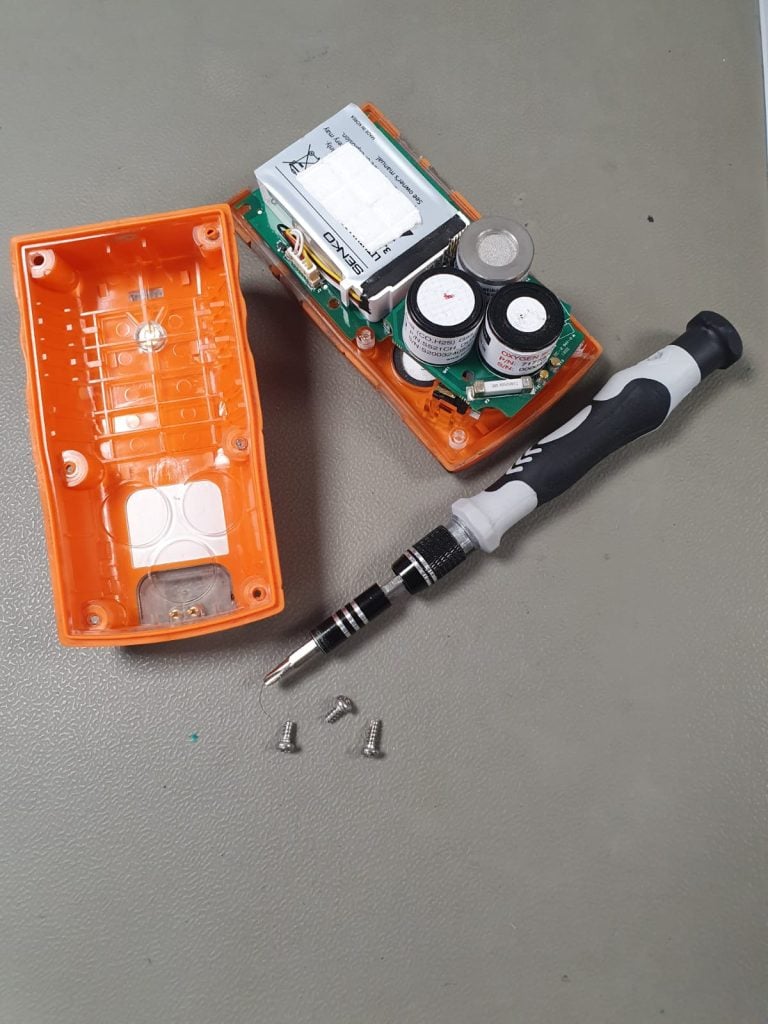
Best practices for gas detector maintenance emphasize regular calibration to ensure accurate readings and worker safety. Gas detection rental software automates calibration tracking by monitoring each device's schedule and triggering alerts before certifications expire.
The system prevents non-compliant equipment from being rented by flagging devices approaching calibration deadlines and automatically routing them to service queues. This proactive approach eliminates scenarios where technicians discover expired certifications during customer pickup or deployment.
| Calibration Management Feature | Benefit | Impact |
|---|---|---|
| Automated expiration tracking | Prevents rental of uncalibrated equipment | Compliance assurance |
| Service queue generation | Optimizes technician workload | Operational efficiency |
| Certificate storage and retrieval | Instant documentation access | Customer satisfaction |
| Multi-interval scheduling | Accommodates different device types | Fleet flexibility |
Service History Documentation
Comprehensive service records support warranty claims, troubleshooting efforts, and lifecycle cost analysis. Gas detection rental software maintains detailed logs of every service event, repair, calibration, and inspection performed on each device.
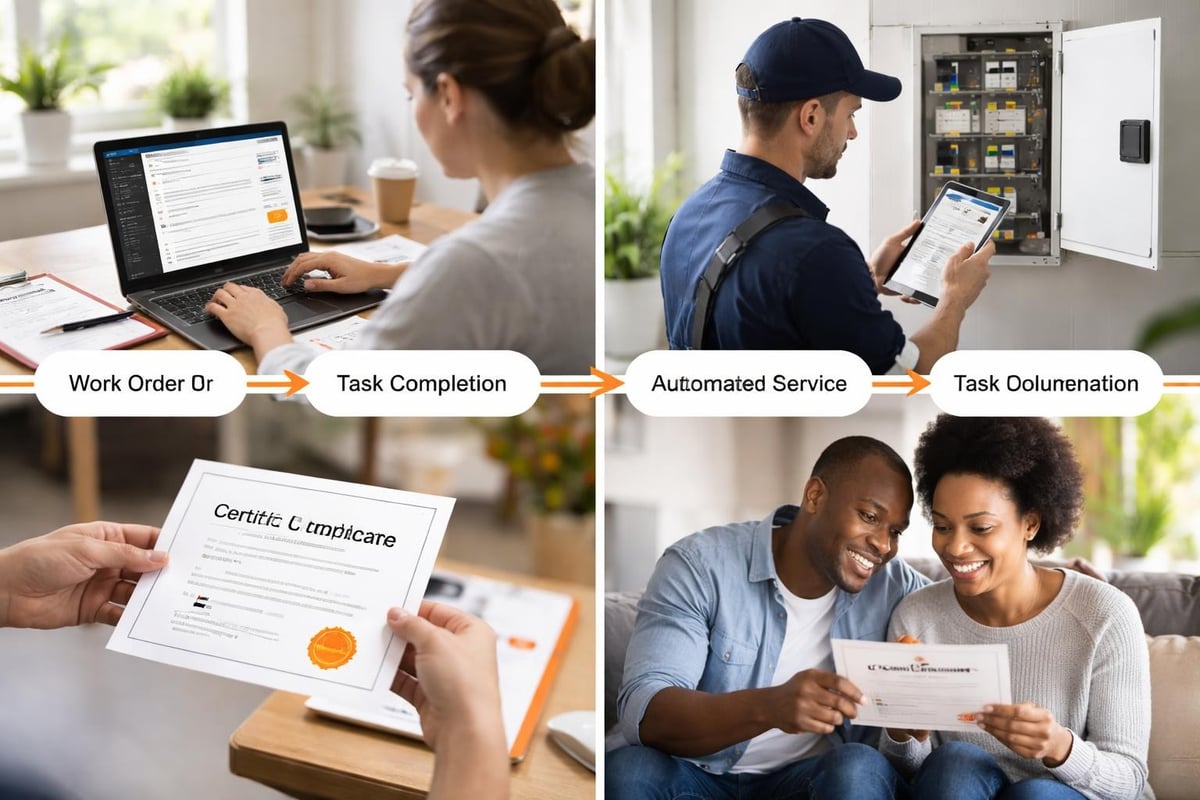
The Brytend Service Module provides exactly this capability for rental operations. With tools to register serialized inventory, add custom services, automate service reminders, and generate service certificates, it offers a complete solution for managing all service-related activities. This structured approach helps track equipment throughout its full lifecycle, monitoring service history, condition, warranty details, and upcoming tasks with accuracy and ease.
Rental Reservation and Availability Management
-
Real-Time Inventory Status: Systems display current availability accounting for rented units, devices in service, and equipment in transit between locations.
-
Reservation Calendars: Visual scheduling interfaces show future commitments, enabling staff to confirm availability and identify conflicts instantly.
-
Equipment Allocation Logic: Automated assignment algorithms select appropriate devices based on customer specifications, availability windows, and rotation strategies that balance utilization.
-
Overbooking Prevention: Validation rules prevent double-booking while allowing configurable safety margins for maintenance and logistics.
-
Multi-Location Coordination: Centralized platforms provide visibility across distributed operations, enabling inventory sharing and transfer optimization.
Integration with Business Systems
Gas detection rental software delivers maximum value when integrated with complementary business systems. These connections eliminate duplicate data entry, improve accuracy, and create seamless workflows spanning multiple operational areas.
Financial System Connections
Automated billing generation based on rental agreements, rate schedules, and actual usage periods ensures accurate invoicing while reducing administrative effort. Integration with accounting platforms transfers rental income, deposit tracking, damage charges, and late fees directly into financial records.
This synchronization eliminates reconciliation discrepancies and provides real-time revenue visibility. Financial reporting becomes more accurate and timely, supporting better business decisions and cash flow management.
Customer Relationship Management
CRM integration connects rental transactions with customer profiles, communication history, and relationship data. Sales teams access complete rental history when discussing renewals or additional services, while customer service representatives view current rentals and past issues during support interactions.
Marketing campaigns can target customers based on rental patterns, equipment preferences, or upcoming project needs. This data-driven approach improves conversion rates and strengthens customer relationships through relevant, personalized communication.
Fleet Management and Logistics
-
GPS Tracking Integration: Real-time location data for rented equipment enables recovery assistance, utilization verification, and theft prevention.
-
Delivery Route Optimization: Logistics modules plan efficient pickup and delivery routes, reducing fuel costs and improving service speed.
-
Vehicle Assignment: Coordinated scheduling ensures delivery vehicles have capacity for planned pickups and returns.
-
Proof of Delivery: Digital signature capture and photo documentation create verifiable delivery records that prevent disputes.
Compliance and Safety Management
Safety equipment rentals carry significant liability considerations. Gas detection rental software incorporates compliance tools that protect both rental companies and their customers from regulatory violations and safety incidents.
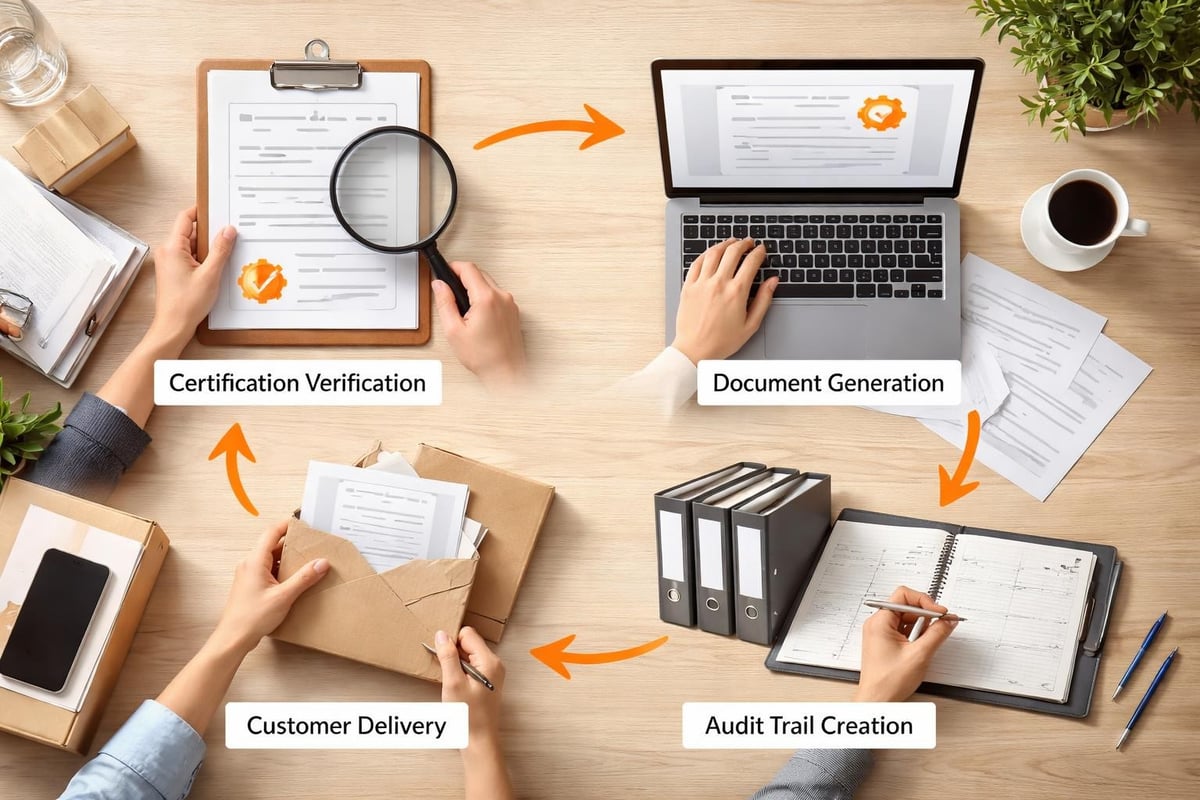
Certification and Documentation Management
Systems store calibration certificates, service records, user manuals, and safety data sheets attached to specific equipment records. When customers rent devices, the platform automatically generates documentation packages containing all required compliance materials.
This automated assembly ensures complete information delivery while reducing staff time spent compiling documents. Customers receive professional documentation packages that satisfy their regulatory requirements and internal safety protocols.
Audit Trail Creation
Comprehensive activity logging tracks every system interaction, creating detailed audit trails that document who performed actions, when events occurred, and what changes were made. These logs support internal quality control, customer dispute resolution, and regulatory compliance investigations.
Understanding proper detector placement and standards awareness requires documented processes that rental companies can demonstrate during audits. Software-generated audit trails provide this evidence automatically.
| Compliance Feature | Function | Value |
|---|---|---|
| Certification tracking | Monitors validity periods | Prevents non-compliant rentals |
| Document assembly | Generates compliance packages | Reduces administrative burden |
| Audit logging | Records all system activity | Supports investigations |
| Regulatory reporting | Produces required submissions | Ensures compliance |
Analytics and Business Intelligence
Data generated through rental operations contains valuable insights about equipment utilization, customer behavior, maintenance costs, and revenue patterns. Gas detection rental software platforms incorporate analytics capabilities that transform operational data into actionable intelligence.
Utilization Metrics
-
Equipment Rental Rates: Percentage of time each device generates revenue versus sitting idle or undergoing maintenance.
-
Seasonal Demand Patterns: Identification of peak and slow periods that inform inventory planning and staffing decisions.
-
Customer Rental Duration: Average rental periods by customer type, industry, or equipment category.
-
Geographic Distribution: Rental concentration across service areas, revealing expansion opportunities or underserved markets.
-
Equipment Type Preferences: Demand trends for specific detector types, sensor configurations, or technology generations.
Financial Performance Analysis
Revenue reporting breaks down income by equipment type, customer segment, rental duration, and time period. Profitability analysis compares rental revenue against acquisition costs, maintenance expenses, and operational overhead to identify high-performing equipment and unprofitable inventory.
These insights guide purchasing decisions, pricing strategy adjustments, and fleet composition optimization. Managers can quantify return on investment for different equipment categories and make data-driven capital allocation decisions.
Maintenance Cost Tracking
Detailed service expense recording enables analysis of maintenance costs by equipment model, age, manufacturer, and usage intensity. Identifying high-maintenance devices supports retirement timing decisions and vendor performance evaluation.
Warranty claim tracking ensures manufacturers honor commitments while revealing equipment reliability patterns. Companies can negotiate better terms with suppliers based on documented performance data.
Custom Development Considerations
While commercial gas detection rental software packages address common requirements, many operations have unique processes, integration needs, or competitive differentiators requiring custom development. Brytend specializes in creating tailored software solutions that align precisely with specific business requirements and goals.
Workflow Customization
Standard software enforces predefined workflows that may not match established business processes. Custom development enables workflow design that mirrors actual operations, reducing training requirements and adoption resistance.
Integration with legacy systems, proprietary equipment, or specialized compliance requirements often necessitates custom coding. Development teams create connectors, APIs, and data transformations that bridge disparate systems into unified platforms.
Competitive Differentiation
-
Customer Portal Features: Self-service capabilities that distinguish your offering from competitors using standard platforms.
-
Automated Communication: Customized messaging workflows that enhance customer experience through timely, relevant notifications.
-
Specialized Reporting: Industry-specific reports that provide unique value to particular customer segments.
-
Mobile Applications: Field technician tools optimized for your specific equipment, service procedures, and documentation requirements.
-
Predictive Maintenance: Machine learning models that analyze equipment performance data to predict failures before they occur.
Scalability and Performance
Growing rental operations eventually outgrow commercial software performance limits or licensing costs. Custom platforms built with scalability requirements allow expansion without platform migrations or architectural redesigns.
Cloud-based architectures provide elastic capacity that automatically scales with demand fluctuations. This flexibility supports seasonal business variations and long-term growth without infrastructure bottlenecks.
Implementation and Change Management
Successful gas detection rental software deployment requires careful planning, stakeholder engagement, and systematic change management. Technology implementation fails when organizations underestimate training requirements, resistance to change, or data migration complexity.
Data Migration Planning
-
Inventory Audit: Physical verification of all equipment to establish accurate baseline data for system initialization.
-
Historical Data Review: Determination of which legacy information requires migration versus archival or disposal.
-
Data Cleansing: Correction of inconsistencies, duplicates, and errors before transferring information to new systems.
-
Validation Protocols: Testing procedures that verify migration accuracy and completeness before system launch.
-
Parallel Operations: Running old and new systems simultaneously during transition periods to ensure continuity and catch discrepancies.
Staff Training and Adoption
Comprehensive training programs address different user roles with targeted instruction relevant to their responsibilities. Counter staff require different knowledge than service technicians or financial administrators.
Hands-on practice with test data builds confidence and competence before live operations commence. Ongoing support resources including reference guides, video tutorials, and help desk access facilitate continued learning and problem resolution.
Performance Monitoring
Post-implementation metrics track system adoption, process efficiency gains, error rates, and user satisfaction. Regular review of these indicators identifies areas requiring additional training, workflow refinement, or feature enhancement.
Comparing pre-implementation and post-implementation performance across key metrics quantifies return on investment and justifies the technology expenditure. Documentation of improvements supports future technology investments and continuous improvement initiatives.
FAQ
What makes gas detection rental software different from general equipment rental systems?
Gas detection rental software incorporates specialized features for tracking calibration schedules, certification validity, and compliance documentation that generic rental platforms lack. These systems understand the regulatory requirements and safety implications specific to gas detection equipment, automating processes like calibration reminders, certificate generation, and service history documentation that are critical for this industry.
How does rental software prevent non-compliant equipment from being rented?
The system maintains calibration due dates and certification expiration timelines for each individual device. When staff attempt to reserve or check out equipment approaching or past calibration deadlines, the software flags these units and prevents rental transactions. Automated workflows route flagged equipment to service queues, ensuring only compliant devices reach customers.
Can gas detection rental software integrate with existing business systems?
Modern rental platforms offer integration capabilities through APIs, data connectors, and standard protocols that link with accounting software, CRM systems, fleet management tools, and other business applications. Custom development extends integration to proprietary systems or specialized platforms. These connections eliminate duplicate data entry and create seamless information flow across operational systems.
What analytics capabilities should rental operators prioritize?
Equipment utilization rates, customer rental patterns, maintenance cost tracking, and revenue performance by equipment type provide the most actionable insights. These metrics inform inventory purchasing decisions, identify profitable customer segments, reveal maintenance cost outliers, and highlight seasonal demand patterns that support strategic planning and operational optimization.
How long does implementation typically require?
Implementation timelines vary based on rental fleet size, data migration complexity, integration requirements, and customization scope. Standard deployments for small to mid-size operations typically require 2-4 months including planning, configuration, data migration, testing, and training. Larger implementations or custom development projects may extend 6-12 months depending on requirements and organizational readiness.
What are the typical cost components for gas detection rental software?
Pricing models include software licensing fees (subscription or perpetual), implementation services, data migration assistance, training programs, ongoing support contracts, and potential customization development. Cloud-based solutions typically bundle hosting and infrastructure in subscription fees, while on-premise deployments require separate server and IT infrastructure investments. Total cost of ownership should account for both initial implementation and ongoing operational expenses.
How does rental software improve customer satisfaction?
Automated communication keeps customers informed about rental status, return deadlines, and equipment availability. Instant access to calibration certificates and service documentation eliminates waiting for administrative staff to compile records. Self-service portals enable reservation management, invoice access, and rental history review without contacting support. Faster checkout processes, accurate equipment delivery, and professional documentation packages create positive customer experiences that drive retention and referrals.
Gas detection rental software transforms complex operational challenges into streamlined, automated workflows that improve compliance, enhance customer service, and drive profitability. By consolidating equipment tracking, maintenance scheduling, and documentation management into unified platforms, rental companies reduce administrative overhead while delivering superior service quality. Whether implementing commercial solutions or pursuing custom development, the right technology foundation positions rental operations for sustainable growth and competitive advantage. Brytend brings extensive expertise in developing tailored software solutions that address your specific operational requirements, integrating seamlessly with existing systems and supporting your business objectives through ongoing collaboration and technical excellence.