
Organizations that rely on gas detection equipment face mounting pressure to maintain safety standards, track calibration cycles, and document every inspection. Manual record-keeping systems create gaps in compliance documentation, delayed maintenance schedules, and increased liability exposure. Gas detection service software transforms these fragmented processes into coordinated workflows that protect both workers and business operations.
Understanding the Role of Gas Detection Service Software
Gas detection service software serves as the operational backbone for organizations managing fleets of fixed and portable gas detectors across multiple facilities. These specialized platforms consolidate equipment inventories, maintenance histories, calibration records, and compliance documentation into centralized databases accessible across departments.
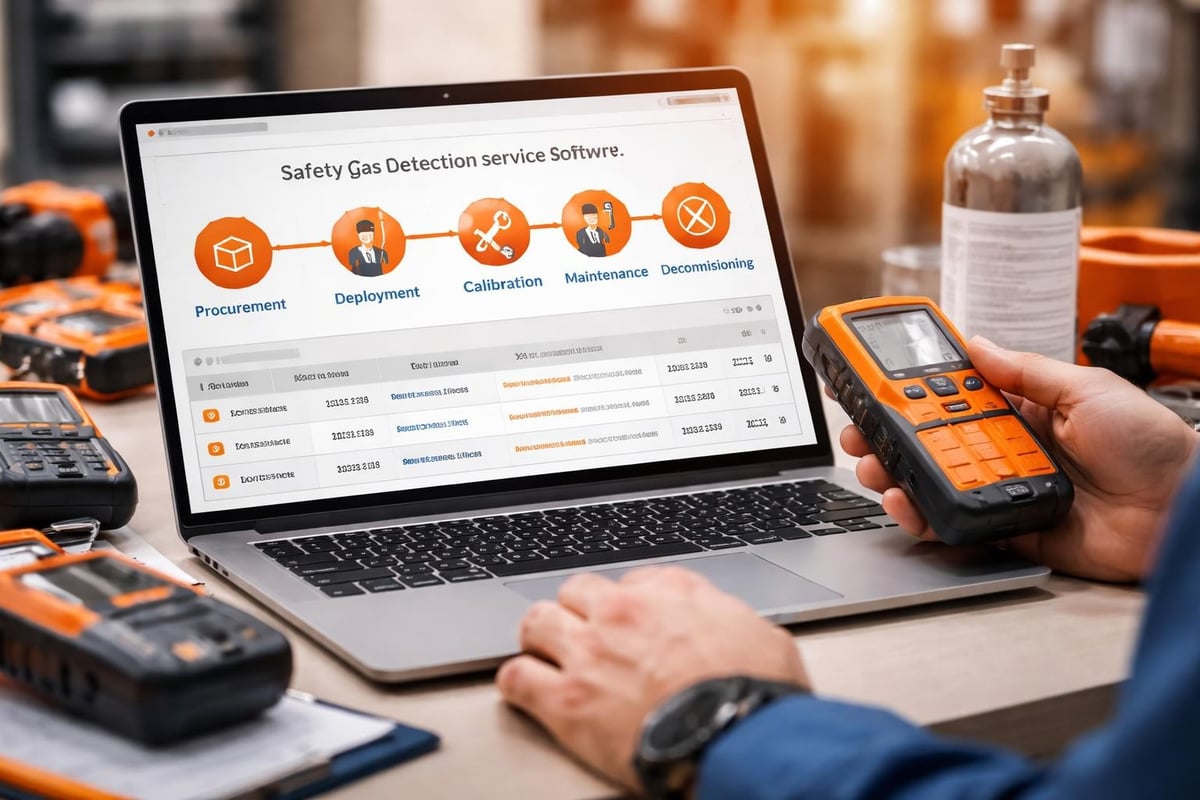
The core functionality extends beyond simple record-keeping. Modern gas detection service software provides automated scheduling engines that trigger maintenance alerts based on manufacturer specifications, usage hours, or calendar intervals. When a technician completes a calibration, the system captures test results, gas concentrations used, technician credentials, and equipment performance metrics.
Critical Functions That Define Effective Platforms
Organizations evaluating gas detection service software should prioritize specific capabilities that directly impact safety and operational efficiency. The software must generate audit trails that document every interaction with each device, creating defensible records for regulatory inspections and internal quality reviews.
Real-time visibility into equipment status prevents dangerous scenarios where expired detectors remain in service. Dashboard interfaces display color-coded indicators showing which units require immediate attention, which are approaching service windows, and which maintain current certifications. Field technicians access mobile interfaces that guide them through standardized test procedures, ensuring consistency across different personnel and locations.
Integration capabilities determine how effectively the software fits within existing business systems. Leading platforms connect with enterprise asset management systems, safety management software, and human resources databases to cross-reference equipment assignments with employee training records. This interoperability helps organizations maintain best practices for gas detection across complex operational environments.
Strategic Benefits for Service Organizations
Companies that provide gas detection maintenance services to external clients gain competitive advantages through purpose-built gas detection service software. The technology enables them to scale operations without proportional increases in administrative overhead or quality inconsistencies.
Service providers can configure automated customer notification systems that alert clients about upcoming calibration requirements weeks in advance. These proactive communications reduce last-minute scheduling conflicts and demonstrate professional commitment to client safety programs. The software generates service certificates automatically upon job completion, eliminating manual paperwork and accelerating billing cycles.
Revenue Optimization Through Operational Intelligence
Gas detection service software reveals patterns in equipment performance that create upsell opportunities and improve service profitability. Analytics modules identify devices that require frequent repairs, suggesting replacement timing that benefits both provider margins and client budgets. Historical data on calibration drift rates helps service teams recommend optimal testing intervals customized to specific usage environments.
| Financial Impact Area | Traditional Process | Software-Enabled Process |
|---|---|---|
| Billing Cycle Time | 7-14 days | 1-3 days |
| Schedule Utilization | 65-75% | 85-95% |
| Certificate Generation | 30 min per job | Automated |
| Customer Retention Rate | 70-80% | 85-92% |
Route optimization features reduce fuel costs and maximize billable hours per technician. The software analyzes service locations, job durations, and technician availability to suggest efficient daily schedules. When emergency services arise, dispatchers view real-time technician positions and current job statuses to allocate resources effectively.
Compliance Documentation and Regulatory Requirements
Regulatory bodies across industries mandate specific documentation standards for gas detection equipment. Safety codes and standards define minimum testing frequencies, calibration gas specifications, and record retention periods. Organizations without robust gas detection service software struggle to demonstrate continuous compliance during audits.
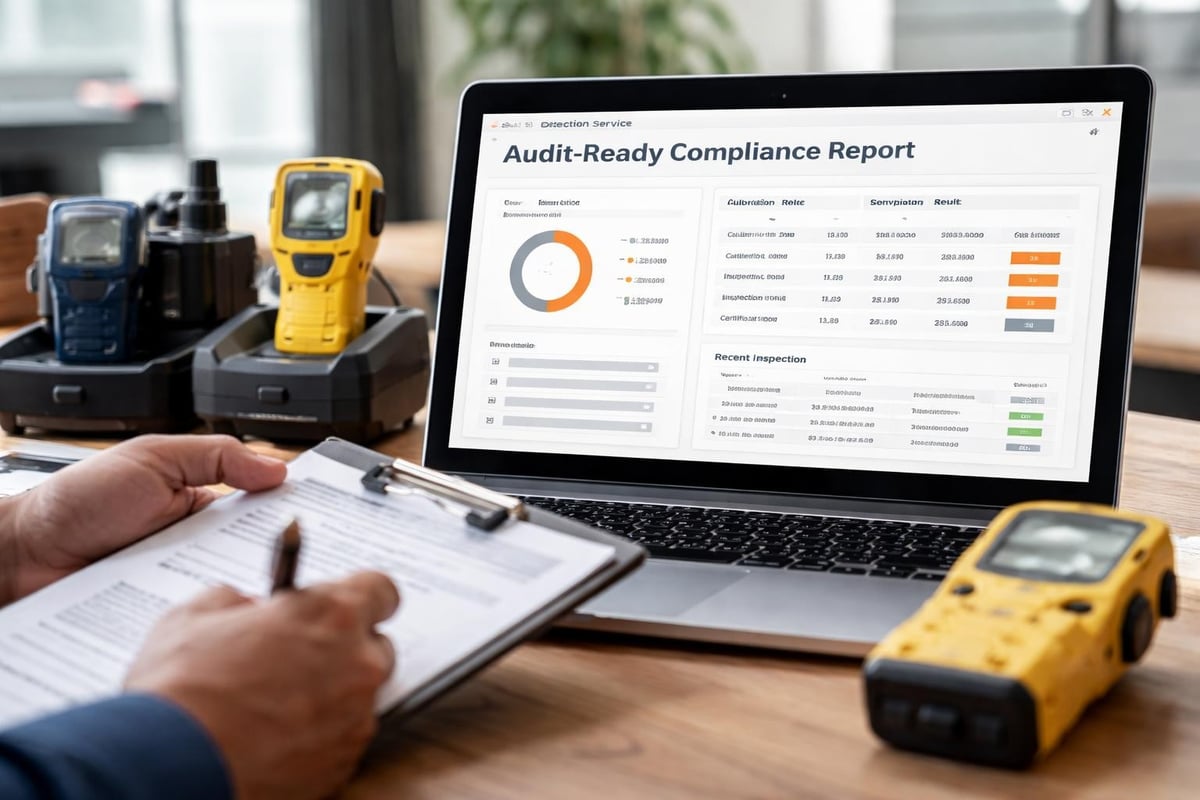
The software creates timestamped records proving equipment met performance standards at deployment. When inspectors request documentation for specific dates or locations, administrators generate comprehensive reports within minutes rather than searching through filing cabinets or spreadsheets. This responsiveness reduces audit durations and minimizes disruption to normal operations.
Automated Compliance Monitoring Systems
Advanced gas detection service software platforms include rule engines that monitor changing regulatory requirements. When standards organizations publish updated testing protocols or certification criteria, the system flags affected equipment and generates action plans for bringing devices into compliance. This proactive approach prevents violations that could result in citations, fines, or operational shutdowns.
The software maintains separate compliance profiles for different jurisdictions, automatically applying appropriate standards based on equipment locations. A multinational corporation with facilities in multiple countries benefits from automated tracking that accounts for regional variations in gas detection requirements. Field technicians receive location-specific checklists ensuring they perform all mandatory tests regardless of where they work.
Technical Architecture and Integration Considerations
Organizations implementing gas detection service software must evaluate architectural choices that impact long-term functionality and total cost of ownership. Cloud-based platforms offer advantages in accessibility, automatic updates, and scalability without capital expenditures for server infrastructure. On-premises deployments provide greater control over data security and system customization for organizations with specific privacy requirements.
Application programming interfaces (APIs) enable bidirectional data exchange between gas detection service software and complementary systems. Work order management platforms push job details into the gas detection system, which returns completed service records for billing and documentation. Enterprise resource planning (ERP) systems receive parts consumption data to trigger inventory reorders automatically.
Mobile Technology and Field Operations
Field technicians require robust mobile applications that function reliably in challenging environments. The software must support offline operation since gas detection work often occurs in areas with limited connectivity. Technicians complete calibrations, record test results, and capture equipment photos while offline, with data synchronizing automatically when network access returns.
Mobile interfaces should accommodate various input methods including barcode scanning, RFID reading, and voice dictation. These alternatives to manual data entry reduce errors and accelerate job completion. When technicians scan equipment asset tags, the system retrieves complete service histories and displays step-by-step procedures tailored to specific detector models.
Gas detection service software designed for field operations includes digital signature capture for client sign-offs and GPS stamping that verifies service locations. These features protect service providers from fraudulent claims and provide clients with verifiable proof of completed work. Proper installation and maintenance practices become easier to document and verify through mobile-enabled workflows.
Data Analytics for Predictive Maintenance
Organizations accumulate vast quantities of sensor data, calibration results, and environmental information through routine gas detection service activities. Gas detection service software with analytics capabilities transforms this raw data into actionable intelligence that optimizes maintenance strategies and reduces equipment failures.
Predictive algorithms analyze historical performance patterns to forecast when sensors will require replacement. Instead of waiting for devices to fail in service or replacing them based solely on age, maintenance teams receive data-driven recommendations for proactive component changes. This approach minimizes unexpected downtime while avoiding premature replacements that waste resources.
Performance Benchmarking and Quality Metrics
Service managers use analytics dashboards to compare technician performance across multiple dimensions including job completion times, first-time fix rates, and customer satisfaction scores. These metrics identify training opportunities and reward high performers, driving continuous improvement in service quality.
Equipment performance benchmarking reveals which detector models deliver superior reliability in specific applications. Organizations make better procurement decisions by analyzing actual field data rather than relying solely on manufacturer specifications. The software tracks total cost of ownership metrics that account for purchase price, maintenance frequency, consumable costs, and operational lifespan.
| Performance Metric | Industry Average | Top Quartile |
|---|---|---|
| Calibration Pass Rate | 88% | 96% |
| Mean Time Between Failure | 18 months | 27 months |
| Service Response Time | 48 hours | 24 hours |
| Documentation Accuracy | 92% | 99% |
For businesses looking to digitize their gas detection maintenance operations, implementing comprehensive tracking systems becomes essential. The Brytend Service Module offers structured approaches to managing service activities, tracking equipment lifecycles, and automating maintenance schedules with precision. This type of solution helps organizations maintain complete visibility over their gas detection equipment while ensuring compliance and operational efficiency.
Building Custom Solutions for Specialized Requirements
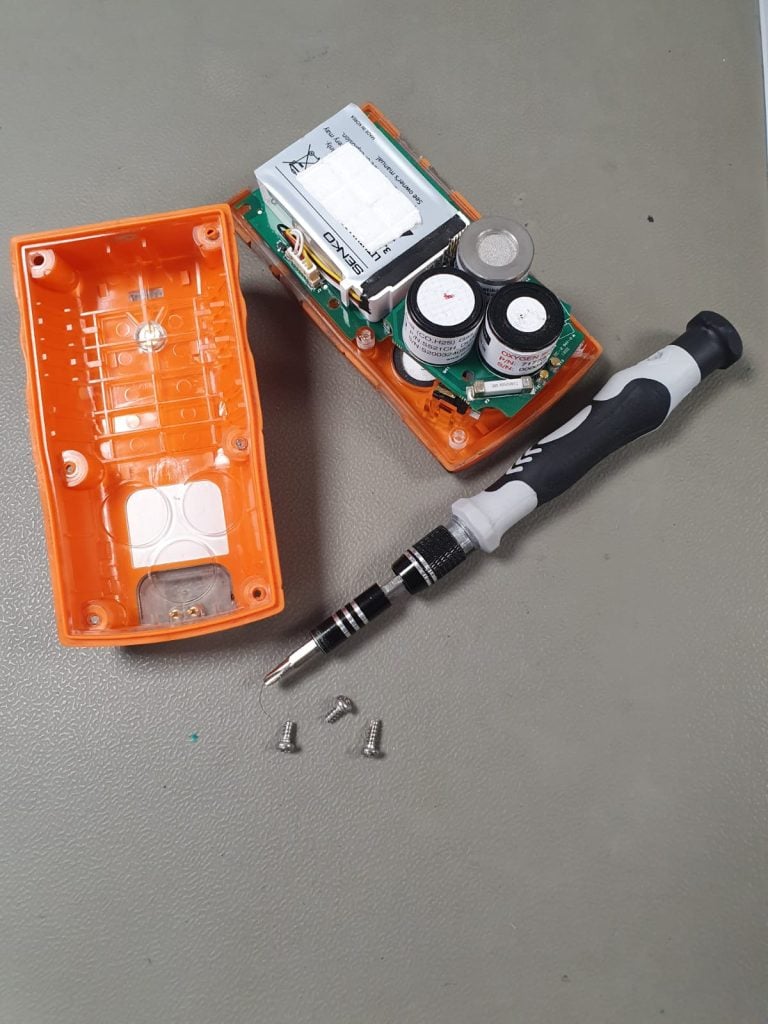
Standard commercial gas detection service software addresses common industry needs, but organizations with unique operational models may require customized functionality. Companies managing exotic gas types, operating in extreme environments, or supporting legacy equipment alongside modern devices face challenges that generic platforms cannot fully resolve.
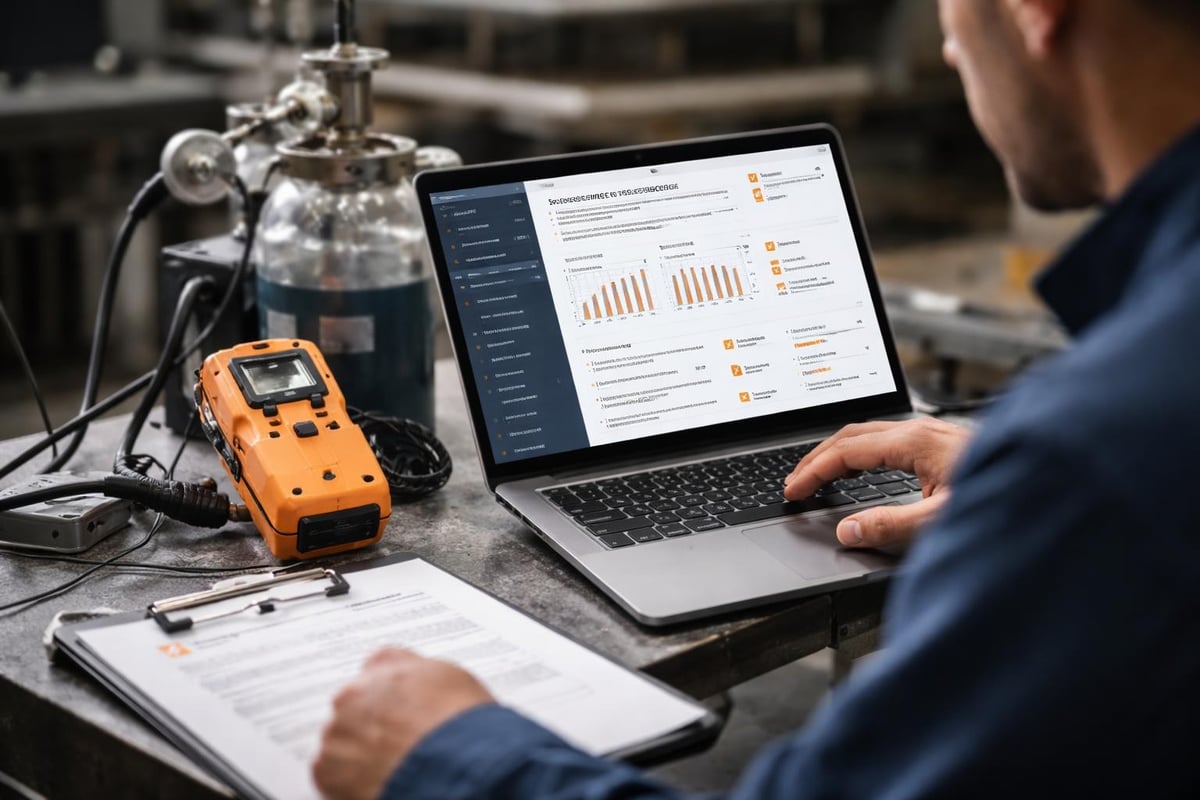
Custom software development enables precise alignment between system capabilities and business processes. Development teams collaborate with subject matter experts to map existing workflows, identify pain points, and design solutions that eliminate inefficiencies. The resulting platforms incorporate organization-specific terminology, reporting formats, and operational logic that mirror actual working methods.
Integration with Proprietary Equipment Systems
Organizations manufacturing their own gas detection devices or using specialized proprietary equipment need software that communicates directly with these systems. Custom development projects can incorporate manufacturer-specific communication protocols, data formats, and diagnostic capabilities. The gas detection service software becomes an extension of the equipment itself, providing deeper insights than third-party platforms can access.
Custom integrations extend beyond equipment connections to encompass business-critical systems unique to each organization. Construction firms might integrate gas detection service software with project management platforms that track which equipment is deployed to specific job sites. Chemical manufacturers could connect detector maintenance systems with production scheduling software to coordinate calibrations during planned shutdowns.
Training, Adoption, and Change Management
Successful gas detection service software implementations require comprehensive user adoption strategies. Technicians, administrators, and managers each interact with different system components, necessitating role-specific training programs that address relevant functionality without overwhelming users with unnecessary information.
Organizations should develop training curricula that combine formal instruction with hands-on practice using realistic scenarios. New technicians benefit from mentoring programs that pair them with experienced colleagues who demonstrate software features during actual service calls. This practical exposure reinforces classroom learning and builds confidence in using mobile applications under field conditions.
Measuring Adoption Success and ROI
Implementation teams establish key performance indicators that track software adoption rates and business impact. Metrics such as percentage of service records entered digitally, average time from job completion to certificate generation, and reduction in compliance violations provide concrete evidence of value delivery. Regular review sessions with stakeholders maintain focus on continuous improvement opportunities.
Return on investment calculations for gas detection service software should account for both direct cost savings and indirect benefits. Direct savings include reduced administrative labor, eliminated paper costs, and decreased overtime from improved scheduling. Indirect benefits encompass risk mitigation through better compliance, enhanced customer satisfaction leading to retention, and competitive advantages in winning new contracts.
Organizations implementing gas detection service software typically achieve payback periods between six and eighteen months depending on fleet size and operational complexity. Industry-leading programs consistently demonstrate that technology investments supporting comprehensive gas detection management deliver sustained operational improvements beyond initial cost recovery.
Frequently Asked Questions
What types of gas detectors can gas detection service software manage?
Gas detection service software manages both fixed and portable gas detection devices across multiple sensor technologies including electrochemical, infrared, catalytic, and photoionization detectors. The platforms accommodate single-gas monitors, multi-gas detectors, area monitoring systems, and specialized equipment for unique applications. Most solutions provide configurable equipment profiles that store manufacturer specifications, calibration requirements, and maintenance procedures for diverse device portfolios. Organizations can track everything from simple personal monitors to complex distributed systems with hundreds of sensors.
How does gas detection service software improve calibration tracking accuracy?
The software eliminates manual record-keeping errors by capturing calibration data directly from test equipment or through guided mobile application workflows. Each calibration event generates timestamped records including technician identification, gas concentrations used, sensor responses, pass/fail results, and environmental conditions. Automated alerts notify managers when devices approach calibration due dates, preventing expired equipment from remaining in service. Historical trending identifies sensors with abnormal drift patterns that may require replacement, improving overall fleet reliability beyond simple calendar-based tracking.
Can gas detection service software integrate with existing safety management systems?
Modern gas detection service software platforms offer integration capabilities through application programming interfaces, web services, and data export functions. Organizations connect these systems with broader safety management platforms, enterprise asset management solutions, and environmental health and safety databases. Integration enables cross-referencing gas detection maintenance records with incident reports, training certifications, and facility inspection data. This comprehensive approach provides safety managers with complete visibility into all factors affecting workplace hazard protection, rather than viewing gas detection as an isolated function.
What mobile capabilities should field technicians expect from gas detection service software?
Field technicians require mobile applications supporting offline operation, barcode scanning, photo capture, digital signatures, and GPS location verification. The software should guide users through standardized test procedures with visual aids and conditional logic that adapts to specific equipment models. Mobile interfaces need ruggedized design considerations for use with gloved hands, in bright sunlight, and under physically demanding conditions. Automatic synchronization when connectivity returns ensures data reaches central systems without requiring manual uploads. Push notifications alert technicians to schedule changes or priority service requests throughout their workday.
How does gas detection service software support regulatory compliance requirements?
The software maintains comprehensive audit trails documenting every service interaction, calibration event, and equipment status change with timestamps and user identification. Compliance modules map organizational practices to specific regulatory standards from bodies like OSHA, NFPA, and international equivalents. Administrators configure rule engines that automatically flag non-compliance conditions such as expired calibrations or missing documentation. Report generators produce audit-ready documentation organized by facility, time period, or equipment category. Standard operating procedures for gas safety become easier to implement and verify through software-enforced workflows.
What data security measures protect sensitive gas detection service information?
Enterprise-grade gas detection service software implements multi-layered security including encrypted data transmission, role-based access controls, and comprehensive activity logging. Cloud platforms utilize redundant data centers with automatic backup systems ensuring business continuity. Authentication mechanisms range from password policies to multi-factor authentication and single sign-on integration. Administrators define granular permissions controlling which users can view, modify, or delete specific data categories. Regular security audits and compliance certifications demonstrate adherence to industry standards for data protection, particularly important when managing information about facility vulnerabilities.
How quickly can organizations implement gas detection service software?
Implementation timelines vary based on fleet size, system complexity, and integration requirements. Basic deployments for small service providers with limited integration needs may achieve operational status within four to six weeks. Larger organizations with extensive equipment inventories, multiple locations, and complex integration requirements typically require three to six months for complete implementation. The process includes data migration from legacy systems, user training, workflow configuration, and phased rollout strategies. Organizations partnering with experienced software development teams like Brytend can accelerate implementation through structured project management and technical expertise tailored to specific operational requirements.
Gas detection service software fundamentally transforms how organizations manage safety-critical equipment through automated workflows, comprehensive documentation, and data-driven decision making. The operational efficiencies, compliance improvements, and risk reduction these platforms deliver make them essential investments for any organization committed to workplace safety. If your business needs specialized gas detection service software tailored to unique operational requirements, Brytend brings deep technical expertise in custom software development that aligns technology solutions with specific business goals. Connect with Brytend to explore how custom-built platforms can optimize your gas detection service operations.