The equipment rental industry has undergone a dramatic transformation over the past several years, driven largely by technological innovation. Equipment rental software has emerged as an indispensable tool for businesses that need to manage fleets of machinery, tools, and specialized equipment across diverse sectors including construction, event management, industrial operations, and consumer rentals. These sophisticated platforms consolidate previously fragmented processes into unified systems that handle everything from inventory tracking and reservation management to billing, maintenance scheduling, and customer relationship management. As technology continues to reshape the equipment rental industry, businesses that fail to adopt modern software solutions risk falling behind competitors who leverage these tools for operational efficiency and enhanced customer experiences.
Understanding Equipment Rental Software Architecture
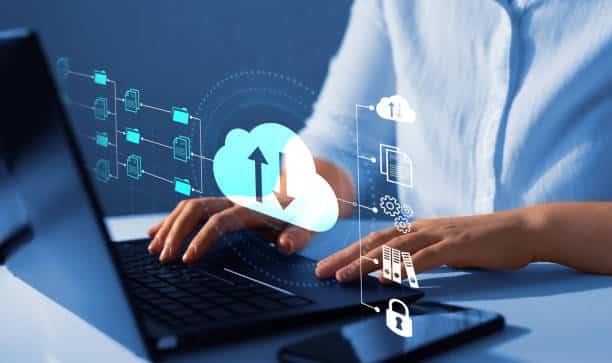
Equipment rental software represents a specialized category of business management tools designed specifically to address the unique challenges rental companies face. Unlike generic inventory systems, these platforms account for time-based availability, complex pricing structures, damage assessments, maintenance cycles, and the intricate logistics of equipment delivery and retrieval. Modern solutions typically operate on cloud-based architectures, providing real-time accessibility from any device while ensuring data synchronization across multiple locations and user touchpoints.
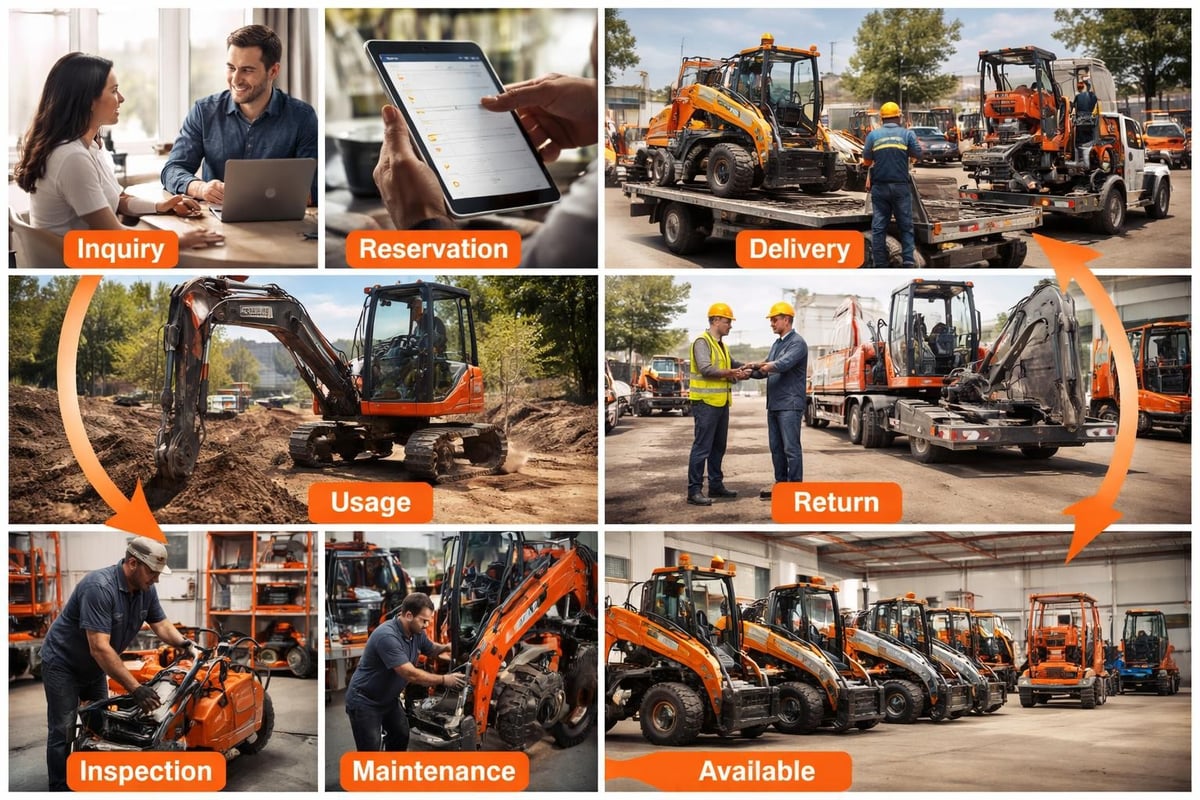
The fundamental architecture of equipment rental software centers on several core modules that work in concert. The inventory management component tracks every piece of equipment, recording specifications, condition, location, and availability status. Reservation systems allow customers to book equipment through various channels, automatically updating availability calendars and preventing double bookings. Financial modules handle invoicing, payment processing, deposit management, and revenue reporting. Maintenance tracking ensures equipment remains in optimal condition through scheduled service intervals and repair documentation.
Cloud-Based vs. On-Premise Solutions
Organizations evaluating equipment rental software must choose between cloud-based and on-premise deployment models, each offering distinct advantages. Cloud-based solutions have gained significant market share, with industry forecasts indicating continued dominance through 2032 due to their lower upfront costs, automatic updates, and remote accessibility. These platforms eliminate the need for substantial IT infrastructure investments and allow rental businesses to scale resources based on demand fluctuations.
On-premise software, while less common in 2026, still serves organizations with specific security requirements, regulatory constraints, or existing infrastructure investments. These systems provide complete control over data storage and customization but require dedicated IT personnel and capital expenditures for hardware and maintenance.
| Deployment Model | Initial Cost | Maintenance | Accessibility | Scalability |
|---|---|---|---|---|
| Cloud-Based | Low subscription fees | Vendor managed | Anywhere, any device | Highly flexible |
| On-Premise | High capital investment | Internal IT required | Limited to network | Hardware dependent |
| Hybrid | Moderate | Shared responsibility | Partial remote access | Moderately flexible |
Essential Features in Modern Equipment Rental Software
Successful equipment rental operations demand software that delivers comprehensive functionality across multiple business dimensions. The most critical features extend beyond basic inventory tracking to encompass the entire rental lifecycle and customer journey.
Inventory and Asset Management
Effective inventory management forms the foundation of any equipment rental software. Systems must track individual assets with unique identifiers, recording purchase dates, depreciation schedules, warranty information, and complete service histories. Advanced platforms incorporate serialized tracking, allowing businesses to monitor specific units rather than generic equipment categories. This granular visibility proves essential for maintenance planning, loss prevention, and regulatory compliance.
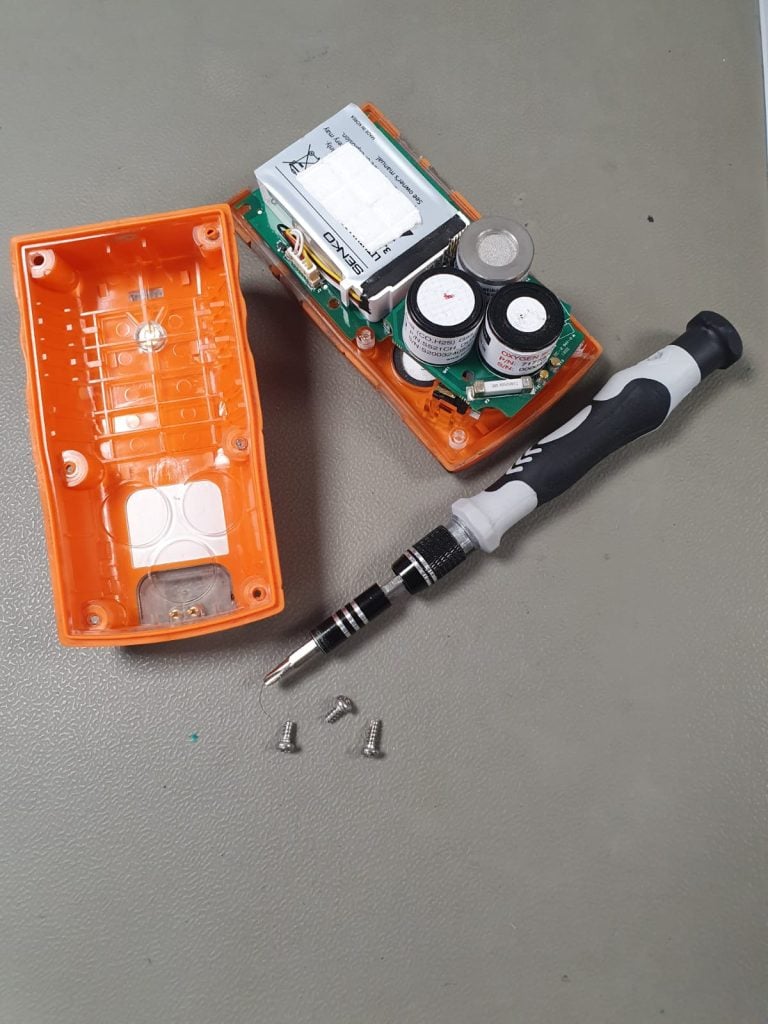
Serialized inventory tracking enables rental companies to register custom services, automate maintenance reminders based on usage hours or calendar intervals, and generate detailed service certificates documenting all work performed. The Brytend Service Module exemplifies this approach by providing structured management of service-related activities. It helps businesses track equipment throughout its entire lifecycle, monitor condition changes, manage warranty details, and schedule upcoming maintenance tasks with precision.
Geographic tracking capabilities have become increasingly sophisticated, with GPS integration allowing real-time location monitoring for high-value equipment. This functionality reduces theft risk, optimizes delivery routing, and ensures accurate billing based on actual usage locations.
Reservation and Booking Systems
Modern equipment rental software provides multichannel booking capabilities that accommodate customer preferences for online self-service, phone reservations, and in-person transactions. Integrated calendars display real-time availability, preventing scheduling conflicts and maximizing utilization rates. Intelligent systems can suggest alternative equipment when first-choice items are unavailable, increasing conversion rates and customer satisfaction.
- Online customer portals enable 24/7 browsing, reservation, and account management
- Mobile-responsive interfaces ensure seamless booking experiences across smartphones and tablets
- Automated confirmation systems send booking confirmations, reminders, and pickup instructions
- Waitlist management captures demand for unavailable equipment and notifies customers when items become available
- Quote generation tools produce detailed estimates including equipment costs, delivery fees, insurance, and applicable taxes
Financial Management and Pricing Optimization
Sophisticated pricing engines within equipment rental software support complex rate structures including hourly, daily, weekly, and monthly rates with automatic calculation of optimal pricing based on rental duration. Dynamic pricing capabilities allow businesses to adjust rates based on demand, seasonality, equipment age, and competitive positioning. Effective pricing strategies grounded in data analysis have proven essential for maximizing revenue while maintaining competitiveness.
Financial modules integrate with accounting systems, automating invoice generation, payment processing, tax calculation, and revenue recognition. Deposit management features track security deposits, automatically applying or refunding amounts based on equipment condition upon return. Late fee calculations, damage assessments, and insurance charges integrate seamlessly into final billing.
Integration Capabilities and Technology Ecosystem
Equipment rental software rarely operates in isolation. Modern platforms must integrate with complementary technologies that enhance operational efficiency and customer experience. Application programming interfaces (APIs) enable connections between rental management systems and third-party tools for accounting, customer relationship management, marketing automation, and business intelligence.
Payment gateway integrations allow customers to complete transactions through preferred methods including credit cards, digital wallets, and automated clearing house transfers. E-commerce platforms connect rental software to online marketplaces, expanding customer reach and enabling equipment listings across multiple sales channels.
Internet of Things and Predictive Analytics
The convergence of equipment rental software with Internet of Things (IoT) sensors represents one of the most significant trends shaping the industry in 2026. IoT-enabled equipment transmits real-time data on location, usage patterns, operational status, and performance metrics. This telemetry feeds into predictive maintenance algorithms that forecast potential failures before they occur, reducing downtime and extending equipment lifespan.
Advanced analytics capabilities transform raw operational data into actionable insights. Utilization reports identify underperforming assets that generate insufficient revenue relative to carrying costs. Customer behavior analysis reveals rental patterns, enabling targeted marketing campaigns and inventory optimization. Seasonal demand forecasting improves purchasing decisions and prevents stockouts during peak periods.
| Analytics Function | Business Benefit | Key Metrics |
|---|---|---|
| Utilization Analysis | Optimize fleet size | Rental days vs. available days |
| Revenue Attribution | Identify profitable segments | Revenue per asset category |
| Customer Segmentation | Targeted marketing | Rental frequency, average transaction value |
| Maintenance Prediction | Reduce downtime | Mean time between failures, repair costs |
| Demand Forecasting | Inventory planning | Seasonal trends, booking lead times |
Mobile Applications and Field Operations
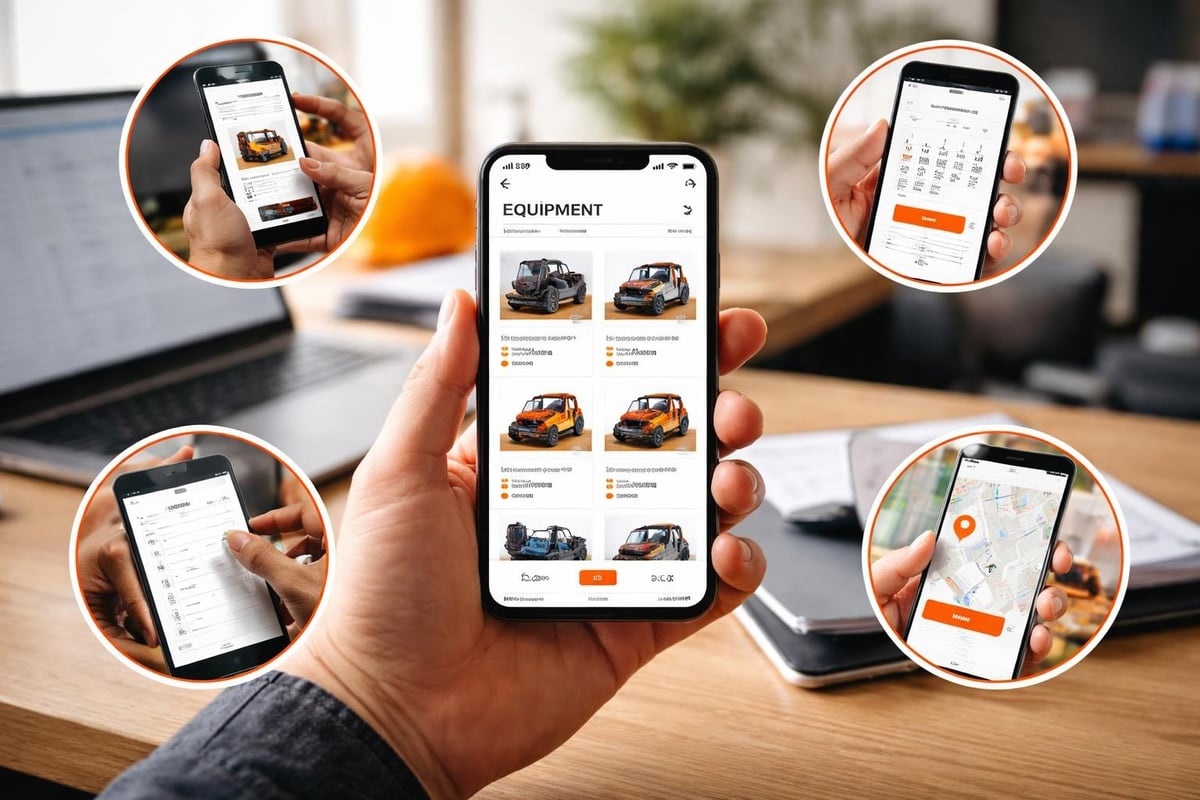
Mobile functionality has evolved from optional convenience to operational necessity in the equipment rental industry. Field technicians, delivery drivers, and customers all benefit from mobile applications that extend core software capabilities beyond desktop environments.
Technician-facing mobile apps enable equipment inspections at customer sites, with photo documentation, condition assessments, and damage reports uploaded directly into central systems. Digital signature capture streamlines checkout and return processes, eliminating paperwork and reducing processing time. Barcode and QR code scanning ensures accurate equipment identification and status updates.
Customer-facing mobile applications empower renters to browse available equipment, check rental histories, manage active reservations, report issues, and request service assistance. Push notifications deliver important updates regarding delivery times, pickup reminders, and promotional offers.
Custom Development Considerations
While many rental businesses find adequate solutions in commercial off-the-shelf software, organizations with unique operational requirements, specialized equipment types, or complex workflows often benefit from custom development. Tailored equipment rental software allows complete alignment with specific business processes rather than forcing operational changes to accommodate software limitations.
Custom solutions enable integration with legacy systems, proprietary equipment, and industry-specific compliance requirements. Businesses operating in niche markets such as specialized medical equipment, film production gear, or scientific instruments may require functionality unavailable in generic platforms. Custom development also provides competitive differentiation through unique features that enhance customer experience or operational efficiency.
- Requirements analysis involves detailed documentation of current workflows, pain points, and desired capabilities
- Technology selection balances performance requirements, budget constraints, and long-term maintainability
- Iterative development allows progressive refinement through user feedback and testing cycles
- Integration planning ensures seamless data flow between rental software and existing business systems
- Training programs prepare staff to maximize software capabilities and adopt new processes
The investment in custom equipment rental software yields returns through improved efficiency, reduced errors, and enhanced customer satisfaction. Organizations considering this path should partner with development teams experienced in rental industry dynamics and complex business logic implementation.
Security and Compliance Requirements
Equipment rental software manages sensitive information including customer personal data, payment card information, and proprietary business intelligence. Robust security measures protect against data breaches, unauthorized access, and system vulnerabilities. Modern platforms implement multi-factor authentication, role-based access controls, and encryption for data at rest and in transit.
Compliance requirements vary by jurisdiction and industry sector. Rental businesses must ensure software supports relevant regulations including data protection laws, tax reporting requirements, and industry-specific standards. Audit trails document all system activities, providing accountability and supporting forensic investigation if security incidents occur.
Regular security assessments, penetration testing, and vulnerability scanning identify potential weaknesses before exploitation. Disaster recovery planning ensures business continuity through automated backups, redundant systems, and documented restoration procedures.
Data Privacy Considerations
Customer data collection within equipment rental software must align with privacy regulations such as the General Data Protection Regulation in Europe and various state-level privacy laws in the United States. Businesses must implement clear data retention policies, provide customers with access to their information, and honor deletion requests within required timeframes.
Consent management features document customer agreements for data usage, marketing communications, and third-party sharing. Anonymization capabilities support analytics and reporting while protecting individual privacy. Data localization requirements may necessitate geographic restrictions on where customer information is stored and processed.
Implementation and Change Management
Successful equipment rental software deployment extends beyond technical installation to encompass organizational change management. Staff resistance, incomplete data migration, and inadequate training represent common implementation challenges that undermine software benefits.
Phased rollout approaches reduce risk by implementing core functionality first, then progressively adding advanced features as users gain confidence. Parallel operations during transition periods allow validation of new systems while maintaining business continuity through legacy processes.
Data migration requires careful planning to ensure accuracy, completeness, and proper formatting in the new system. Historical rental records, customer accounts, equipment specifications, and financial data must transfer cleanly to preserve business intelligence and maintain customer relationships. Data cleansing identifies and corrects inconsistencies, duplicates, and outdated information before migration.
- Executive sponsorship ensures adequate resources and organizational commitment
- Project management coordinates timelines, dependencies, and stakeholder communications
- User training develops competency through hands-on instruction and reference materials
- Pilot testing validates functionality with representative user groups before full deployment
- Performance monitoring tracks key metrics to measure improvement and identify issues
Future Developments in Equipment Rental Software
The equipment rental software landscape continues evolving rapidly, driven by emerging technologies and changing customer expectations. Artificial intelligence applications expand beyond predictive maintenance to encompass automated customer service through chatbots, intelligent pricing recommendations, and fraud detection. Machine learning algorithms analyze historical patterns to forecast demand with increasing accuracy, optimizing inventory levels and purchasing decisions.
Blockchain technology presents opportunities for transparent equipment histories, verified maintenance records, and smart contracts that automatically execute rental agreements based on predefined conditions. While still emerging, blockchain and other future-focused technologies may fundamentally reshape rental transactions and trust mechanisms.
Augmented reality applications enable customers to visualize equipment in their specific environments before committing to rentals, reducing mismatched expectations and return rates. Virtual inspections allow remote damage assessment and condition verification, streamlining checkout and return processes while reducing labor costs.
Voice-activated interfaces and conversational AI expand accessibility, allowing hands-free equipment searches, reservation modifications, and status inquiries. Integration with smart building systems and construction management platforms creates seamless workflows where equipment needs are automatically identified and fulfilled based on project schedules.
Frequently Asked Questions
What is the typical cost range for equipment rental software?
Equipment rental software pricing varies significantly based on deployment model, feature set, and business size. Cloud-based solutions typically charge monthly subscription fees ranging from $50 to $500 per user, with total costs depending on the number of users, equipment units tracked, and additional modules required. Enterprise platforms for large rental operations may exceed $10,000 monthly, while entry-level systems for small businesses start under $100 monthly. On-premise solutions require upfront licensing fees from $5,000 to $100,000 plus ongoing maintenance costs representing 15-20% of license fees annually. Custom development projects range from $25,000 for basic systems to several hundred thousand dollars for comprehensive platforms with advanced features.
How long does equipment rental software implementation typically take?
Implementation timelines depend on system complexity, data migration scope, and organizational readiness. Basic cloud-based platforms with standard configurations can be operational within two to four weeks, including initial setup, data import, and basic training. Mid-range implementations typically require eight to twelve weeks for customization, integration with existing systems, comprehensive data migration, and thorough user training. Complex enterprise deployments or custom development projects may span six months to over a year, particularly when extensive integrations, specialized workflows, or phased rollouts across multiple locations are involved. Realistic timeline planning accounts for data cleansing, process redesign, user acceptance testing, and parallel operations during transition periods.
Can equipment rental software integrate with existing accounting systems?
Modern equipment rental software platforms provide robust integration capabilities with popular accounting systems including QuickBooks, Xero, Sage, and NetSuite. These integrations automatically synchronize financial transactions, eliminating duplicate data entry and ensuring consistency between operational and financial records. Rental invoices, payments, expenses, and revenue recognition flow seamlessly into general ledgers, accounts receivable, and financial reporting modules. Application programming interfaces and middleware platforms facilitate connections with virtually any accounting system, though custom integration development may be required for proprietary or less common platforms. Businesses should verify integration capabilities during software evaluation, requesting demonstrations of actual data synchronization and confirming supported accounting system versions.
What happens to our data if we switch equipment rental software providers?
Reputable equipment rental software providers support data portability through standard export formats including CSV, XML, and JSON files. Businesses own their data and should ensure contracts explicitly grant export rights without restrictions or excessive fees. Comprehensive data exports should include all customer records, equipment specifications, rental histories, financial transactions, maintenance logs, and configuration settings. Migration specialists can transform exported data into formats required by new systems, though some manual reconciliation typically proves necessary. Cloud-based providers maintain data for specified retention periods after service termination, allowing time for complete extraction and validation. Businesses should establish data export procedures before committing to any platform, testing export functionality and reviewing data completeness to ensure smooth future transitions if needed.
Does equipment rental software work offline or require constant internet connectivity?
Cloud-based equipment rental software generally requires internet connectivity for real-time functionality, though many modern platforms incorporate offline capabilities for critical operations. Mobile applications often cache essential data including equipment lists, active reservations, and customer information, allowing field staff to conduct inspections, process returns, and capture signatures without connectivity. Changes made offline synchronize automatically when internet access resumes, though conflicts may require manual resolution if multiple users modified the same records. On-premise solutions operate entirely on local networks, providing complete functionality without internet dependency, though remote access and mobile features require network connectivity. Businesses in areas with unreliable connectivity should prioritize platforms with robust offline modes and conflict resolution mechanisms to prevent operational disruptions.
How does equipment rental software handle complex pricing structures?
Advanced equipment rental software supports multidimensional pricing including time-based rates (hourly, daily, weekly, monthly), quantity discounts, customer-specific pricing, seasonal adjustments, and package deals combining multiple equipment types. Rate tables accommodate different pricing for identical equipment based on rental duration, automatically calculating optimal rates that maximize revenue while remaining competitive. Dynamic pricing engines adjust rates based on real-time demand, equipment availability, and market conditions. Surcharges for delivery, insurance, damage waivers, and consumables integrate seamlessly into quotes and invoices. Contract pricing allows pre-negotiated rates for high-volume customers with automatic application to qualifying transactions. Flexible pricing rules accommodate promotional discounts, loyalty programs, and geographic variations. The most sophisticated platforms incorporate artificial intelligence that recommends pricing adjustments based on historical performance, competitive intelligence, and profitability targets.
What reporting and analytics capabilities should equipment rental software provide?
Comprehensive equipment rental software delivers extensive reporting across operational, financial, and strategic dimensions. Standard reports include rental activity summaries, revenue by equipment category, customer rental histories, maintenance logs, and utilization statistics. Financial reports encompass accounts receivable aging, revenue recognition, profitability analysis by equipment type or customer segment, and tax reporting. Operational dashboards display real-time metrics including current rentals, equipment availability, upcoming reservations, and overdue returns. Advanced analytics platforms provide predictive insights on equipment lifecycle management, demand forecasting, optimal fleet composition, and customer lifetime value. Customizable report builders allow users to create specialized reports addressing unique business questions. Export capabilities support various formats including PDF, Excel, and CSV for further analysis or distribution. Mobile-optimized reports enable field staff and executives to access critical information from any location, supporting data-driven decision making throughout the organization.
You Might Also Be Interested in the Next Articles
- Brytend Custom Software Solutions
- Understanding Our Service Module
- WatchGas Solutions
- Survey and Form Capabilities
- Brytend Complete Sitemap
Equipment rental software has become fundamental infrastructure for modern rental operations, delivering efficiency gains, customer experience improvements, and competitive advantages that justify investment. The right platform aligns with specific business requirements, scales with growth, and adapts to evolving industry dynamics. Whether implementing commercial software or pursuing custom development, success requires careful planning, stakeholder engagement, and commitment to organizational change. Brytend specializes in creating tailored software solutions that address unique operational challenges, providing the expertise needed to design, develop, and deploy equipment rental platforms that drive measurable business outcomes. Our team works closely with clients to understand specific requirements and deliver solutions that integrate seamlessly with existing workflows while positioning organizations for future growth.