
Gas detection equipment plays a critical role in protecting workers and facilities from hazardous atmospheric conditions. However, simply purchasing and deploying these devices is not enough. Gas detection product registration represents a crucial compliance and operational requirement that ensures equipment meets regulatory standards, maintains traceability, and operates reliably throughout its service life. Whether you’re managing a fleet of portable monitors or fixed detection systems, understanding the registration process helps organizations maintain safety, meet legal obligations, and optimize equipment performance.
Understanding Gas Detection Product Registration Requirements
Gas detection product registration involves formally documenting and certifying detection equipment with relevant regulatory bodies, manufacturers, and internal tracking systems. This process creates a permanent record of each device’s specifications, certifications, serial numbers, and compliance status.
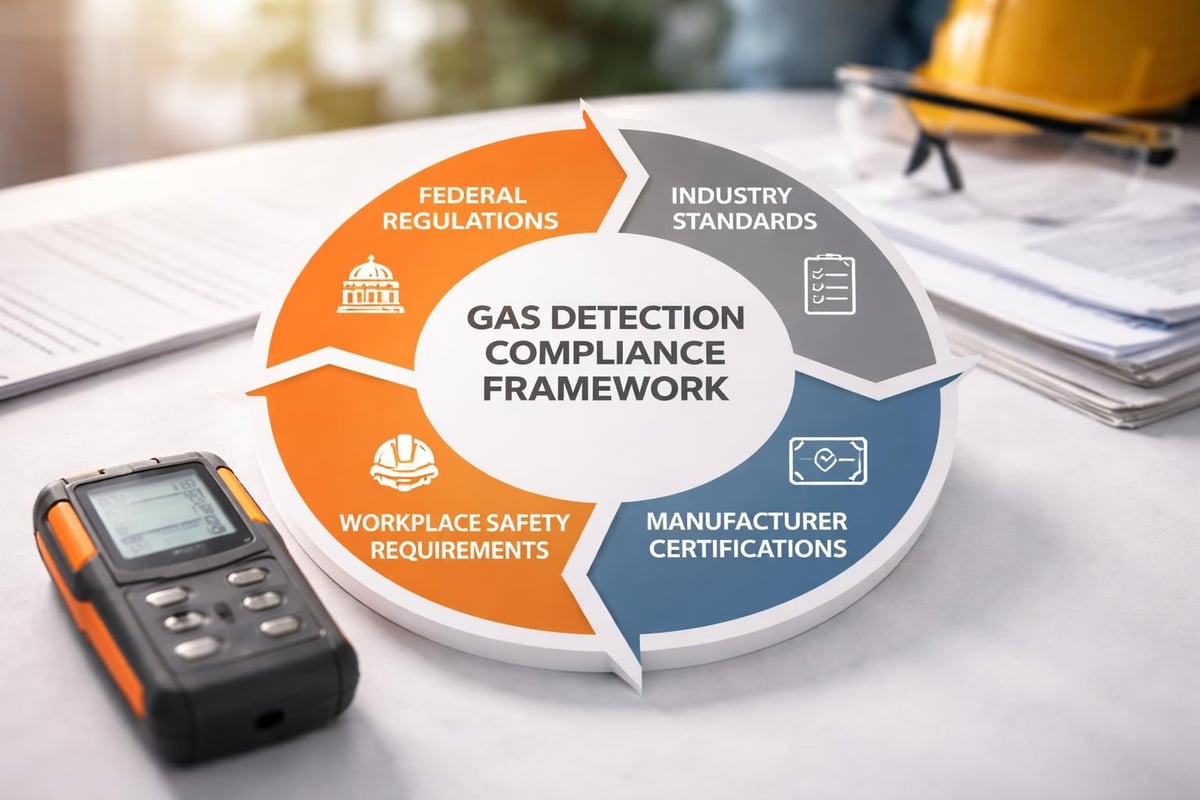
Regulatory Framework and Compliance
Different industries and jurisdictions impose specific requirements for gas detection equipment. The Code of Federal Regulations outlines registration requirements for hazardous materials transportation, which often includes gas detection devices used in shipping and handling operations.
Key regulatory considerations include:
Federal and state safety regulations for workplace atmospheres
Industry-specific standards for oil and gas, mining, and chemical processing
- International compliance requirements for cross-border operations
Local fire codes and emergency response protocols
Organizations must identify which regulations apply to their specific operations. Manufacturing facilities face different requirements than construction sites, while confined space entry programs demand specialized documentation. Gas detection product registration serves as the foundation for demonstrating compliance during audits and inspections.
Standards and Certifications for Gas Detection Equipment
Gas detection devices must meet rigorous performance and safety standards before deployment. Registration processes typically require proof of certification against recognized standards.
European and International Standards
EN 50271:2018 specifies requirements for electrical apparatus used in detecting combustible gases, toxic gases, and oxygen levels. This standard addresses design, construction, and performance testing requirements that manufacturers must satisfy.
Similarly, EN 50402:2017 establishes functional safety requirements for complete gas detection systems. These standards ensure devices perform reliably under real-world conditions and maintain accuracy throughout their operational life.
North American Certification Requirements
In North America, UL 2075 sets comprehensive requirements for gas and vapor detectors and alarms. This standard covers design, construction, performance testing, and ongoing quality assurance for detection equipment.
|
Standard |
Region |
Focus Area |
Key Requirements |
|---|---|---|---|
|
EN 50271:2018 |
Europe |
Electrical apparatus for gas detection |
Design, construction, performance testing |
|
EN 50402:2017 |
Europe |
Functional safety |
System-level safety requirements |
|
UL 2075 |
North America |
Gas and vapor detectors |
Design, construction, performance |
|
ISO 9001:2015 |
International |
Quality management |
Manufacturing quality systems |
Professional gas detector testing and certification services help organizations verify compliance and maintain valid certifications throughout equipment lifecycles.
The Gas Detection Product Registration Process
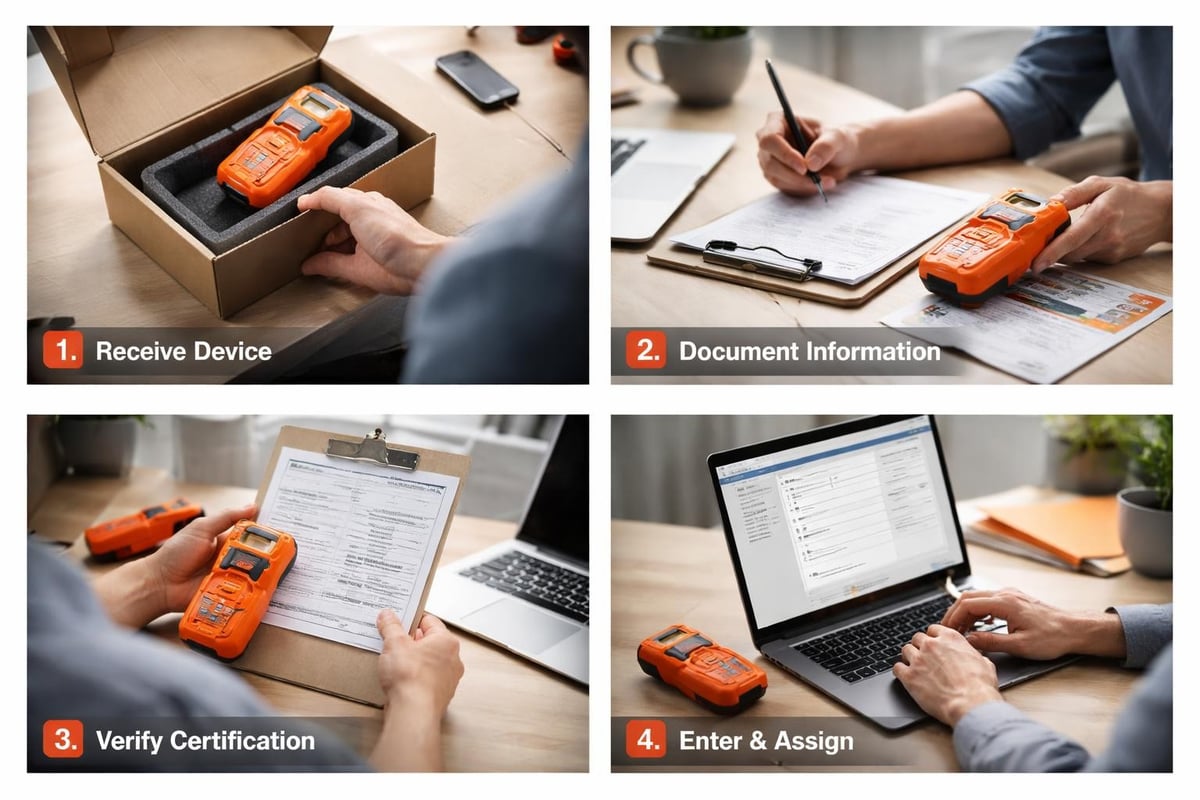
Implementing a comprehensive gas detection product registration system requires systematic documentation and tracking capabilities. The process begins at equipment acquisition and continues through the entire service life.
Initial Registration Steps
When organizations acquire new gas detection equipment, they must capture essential information:
Device identification – Record manufacturer, model number, serial number, and purchase date
Certification documentation – Collect certificates, test reports, and compliance declarations
Configuration details – Document sensor types, detection ranges, and alarm thresholds
Assignment tracking – Link devices to specific locations, departments, or personnel
Warranty information – Register with manufacturers and record warranty terms
Many manufacturers require formal product registration to activate warranties and support services. This step ensures access to technical assistance, replacement parts, and recall notifications.
Creating Comprehensive Equipment Records
Each registered device needs a complete profile within your management system. This profile should include technical specifications, calibration schedules, service history, and current status. By maintaining detailed records, organizations can quickly retrieve information during inspections, emergencies, or equipment failures.
Gas detection product registration also facilitates fleet management. Organizations can track which devices are deployed, which need calibration, and which approach end-of-life replacement. This visibility prevents equipment gaps and ensures continuous protection.
Integrating Product Registration with Service Management
Registration data becomes exponentially more valuable when connected to ongoing service and maintenance activities. This integration transforms static equipment records into dynamic management tools.
Automated Service Scheduling
Once gas detection equipment is registered with complete specifications, organizations can establish automated maintenance schedules. Different sensor technologies require different service intervals, and registration data ensures each device receives appropriate attention.
Combustible gas sensors typically need calibration every six months, while electrochemical toxic gas sensors may require quarterly attention. Registration systems that track sensor types can automatically generate service reminders based on these requirements.
Service History and Performance Tracking
Every calibration, bump test, sensor replacement, and repair should be documented against the registered device. This service history reveals patterns that inform replacement decisions and identify reliability issues.
Calibration drift trends indicating sensor degradation
Recurring faults suggesting environmental or operational problems
Battery performance patterns affecting field reliability
Accuracy verification results confirming detection capability
Organizations can analyze this data across their entire fleet to optimize purchasing decisions, refine maintenance schedules, and identify training needs.
Leveraging Technology for Registration Management
Manual record-keeping systems struggle to maintain accuracy and accessibility as equipment fleets grow. Modern software solutions transform gas detection product registration from an administrative burden into a strategic asset.
Digital Registration Platforms
Cloud-based platforms centralize all equipment data in accessible, searchable databases. Field technicians can scan device barcodes or QR codes to instantly retrieve calibration procedures, service histories, and assignment information. Automated workflows ensure nothing falls through the cracks.
Brytend develops custom software solutions that can streamline equipment lifecycle management. Organizations managing complex gas detection fleets benefit from purpose-built systems that integrate registration, service scheduling, certification tracking, and compliance reporting. These platforms adapt to unique operational requirements while maintaining the rigor necessary for safety-critical equipment.
For organizations focused on service excellence, the Brytend Service Module provides comprehensive tools for managing serialized inventory and service activities. This solution enables you to register each gas detection device with its unique identifier, track its complete service history, automate calibration reminders, and generate compliance certificates. By giving every asset a distinct identity within the system, you can monitor its full lifecycle-from initial deployment through calibration events to eventual retirement-ensuring nothing is overlooked and every device receives timely attention.
Mobile Access and Field Operations
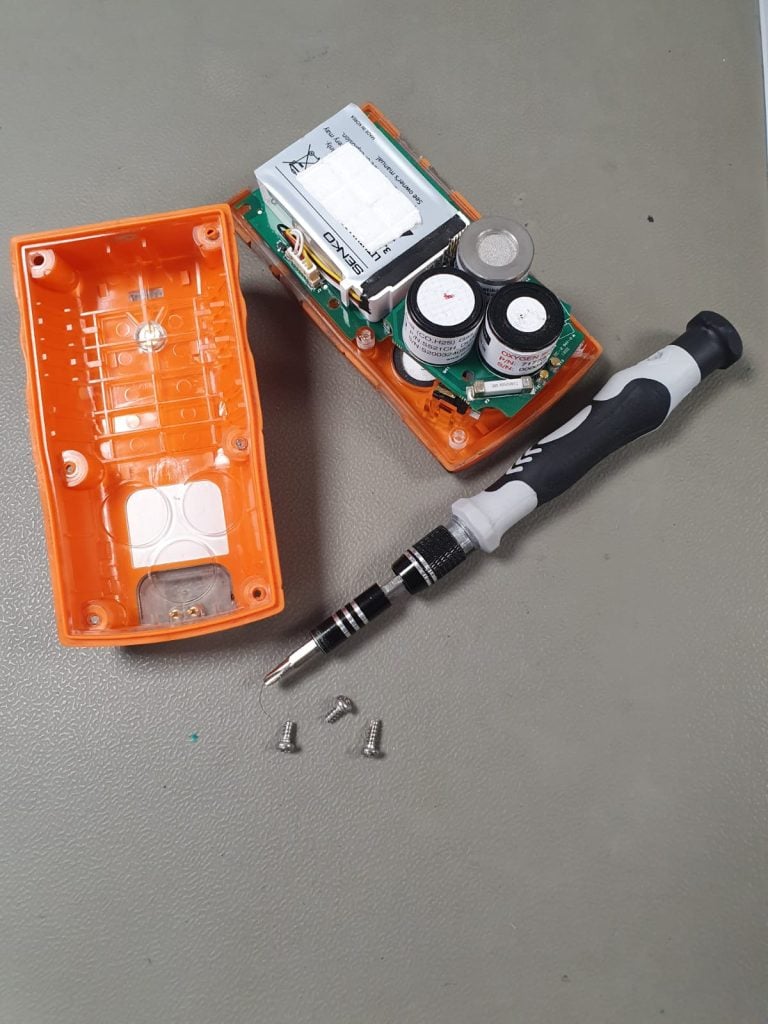
Technicians performing calibrations or inspections need immediate access to equipment records. Mobile applications connected to registration databases enable field personnel to:
Verify device identity and configuration before testing
Document service activities in real time
Upload test results and photographs directly to equipment records
Flag devices requiring immediate attention or replacement
Access calibration procedures and troubleshooting guides
This mobile capability eliminates paperwork delays and ensures registration data remains current. When technicians discover issues during field service, they can immediately update the device record and trigger appropriate response workflows.
Best Practices for Gas Detection Product Registration
Successful registration programs share common characteristics that maximize value while minimizing administrative overhead.
Establish Clear Policies and Procedures
Document exactly what information must be captured for each registered device. Create standardized forms and templates that ensure consistency across different personnel and locations. Define who is responsible for initial registration, ongoing updates, and data quality verification.
Essential policy elements:
Registration triggers (new purchases, transfers, reassignments)
Required data fields and acceptable values
Update frequency and responsibilities
Audit procedures and corrective actions
Data retention requirements for retired equipment
Clear policies prevent gaps in coverage and ensure everyone understands their role in maintaining accurate records.
Implement Verification and Quality Control
Registration data is only valuable if it’s accurate. Build verification steps into your processes:
Physical verification – Confirm serial numbers and model information match devices
Certification validation – Verify certificates are current and applicable
Configuration confirmation – Test actual alarm points against registered values
Assignment reconciliation – Periodically confirm devices are where records indicate
Data audits – Review random samples for completeness and accuracy
These quality control measures catch errors before they compromise safety or compliance.
Link Registration to Training Programs
Personnel assigned gas detection equipment need proper training in device operation, limitations, and response protocols. Registration systems should track which individuals are certified to use specific devices and when recertification is required.
By connecting equipment assignments to training records, organizations ensure only qualified personnel receive gas detection devices. This linkage also identifies training needs when new equipment types are introduced or when personnel change roles.
Gas detection equipment registration linked to operator training records, certification expiration tracking, and competency verification for safety compliance
Compliance Documentation and Audit Readiness
Regulatory inspections and third-party audits frequently examine gas detection programs. Comprehensive registration records demonstrate program effectiveness and regulatory compliance.
Preparing for Inspections
Inspectors typically request evidence that detection equipment:
Meets applicable performance standards
Receives timely calibration and maintenance
Is properly assigned to appropriate hazard areas
Functions correctly and reliably
Is operated by trained personnel
A well-maintained gas detection product registration system provides immediate access to all this information. Rather than scrambling to gather documents, organizations can generate reports showing complete compliance histories.
|
Audit Requirement |
Registration System Response |
|---|---|
|
Equipment certifications |
Digital copies linked to each device record |
|
Calibration frequency |
Service history with dates and results |
|
Maintenance procedures |
Standardized service templates and checklists |
|
Assignment tracking |
Current location and personnel assignments |
|
Training verification |
Links to operator certification records |
Generating Compliance Reports
Modern registration systems can automatically compile compliance reports for specific time periods, locations, or equipment types. These reports demonstrate program effectiveness and identify any compliance gaps requiring attention.
Reports should clearly show:
Total registered devices and their current status
Percentage meeting current calibration requirements
Outstanding service items and their priority levels
Devices approaching end-of-service life
Certification expirations requiring renewal
This reporting capability transforms registration from a reactive record-keeping activity into a proactive compliance management tool.
Optimizing Equipment Lifecycle Through Registration Data
Gas detection product registration generates valuable data that extends far beyond compliance documentation. Organizations can analyze registration and service data to optimize purchasing, deployment, and retirement decisions.
Performance Analysis and Vendor Evaluation
By tracking service histories across multiple devices and manufacturers, organizations can identify which equipment delivers the best reliability and lowest total cost of ownership. Some manufacturers’ devices may have lower purchase prices but require more frequent sensor replacements or calibration. Others may command premium prices but deliver superior reliability and longer service intervals.
Key performance metrics include:
Mean time between failures (MTBF)
Average calibration drift rates
Sensor replacement frequency and cost
Warranty claim rates and manufacturer responsiveness
Battery life under actual operating conditions
This analysis informs future purchasing decisions and helps organizations standardize on equipment that delivers optimal value.
Predictive Maintenance Opportunities
Advanced analytics applied to registration and service data can predict when devices are likely to fail or require attention. Machine learning algorithms can identify patterns in calibration drift, sensor performance, and environmental factors that precede failures.
Organizations implementing predictive maintenance reduce unexpected equipment failures, minimize unnecessary service activities, and extend equipment useful life. These benefits directly impact safety program effectiveness and operating costs.
Integration with Broader Safety Management Systems
Gas detection product registration should not exist in isolation. Maximum value comes from integrating registration data with broader environmental health and safety (EHS) management systems.
Incident Investigation and Response
When gas-related incidents occur, investigators need to know which detection equipment was present, its configuration, recent service history, and operational status. Registration systems integrated with incident reporting tools provide this information immediately.
This integration also enables trend analysis. Organizations can correlate equipment performance with incident rates to identify whether specific devices, locations, or configurations contribute to safety issues.
Hazard Assessments and Equipment Placement
Workplace hazard assessments determine where gas detection equipment is necessary and what detection capabilities are required. Registration systems should link equipment specifications to hazard assessments, ensuring deployed devices match identified risks.
When hazards change-due to process modifications, new chemicals, or operational changes-integrated systems flag whether existing equipment remains appropriate or whether upgrades are needed. This connection ensures gas detection product registration supports dynamic risk management rather than static compliance.
Effective gas detection product registration creates a foundation for compliance, safety, and operational excellence. By systematically documenting equipment specifications, tracking certifications, managing service activities, and analyzing performance data, organizations transform basic record-keeping into strategic asset management. The difference between merely owning gas detection equipment and effectively managing it lies in the quality and accessibility of registration information. Brytend specializes in developing custom software solutions that streamline complex equipment management challenges, helping organizations build robust systems tailored to their unique operational requirements and safety objectives.