Managing a rental business involves juggling multiple moving parts simultaneously. From tracking equipment availability and scheduling maintenance to managing customer relationships and processing payments, the complexity grows exponentially as your inventory expands. Rental asset management software has emerged as the definitive solution for businesses seeking to streamline these operations, reduce manual errors, and scale efficiently. This comprehensive guide explores the essential features, implementation strategies, and tangible benefits that modern rental management platforms deliver to businesses across industries.
Understanding Rental Asset Management Software Fundamentals
Rental asset management software serves as a centralized platform designed specifically to handle the unique challenges of rental operations. Unlike generic business management tools, these specialized systems address the cyclical nature of rental transactions, where assets move in and out of your facility continuously while requiring constant monitoring and maintenance.
The core functionality revolves around maintaining accurate, real-time visibility into every asset within your inventory. Each item receives a unique identifier, enabling you to track its location, condition, rental status, service history, and revenue contribution throughout its entire lifecycle. This granular level of control transforms how rental businesses operate, eliminating the spreadsheet chaos and communication gaps that plague traditional management approaches.
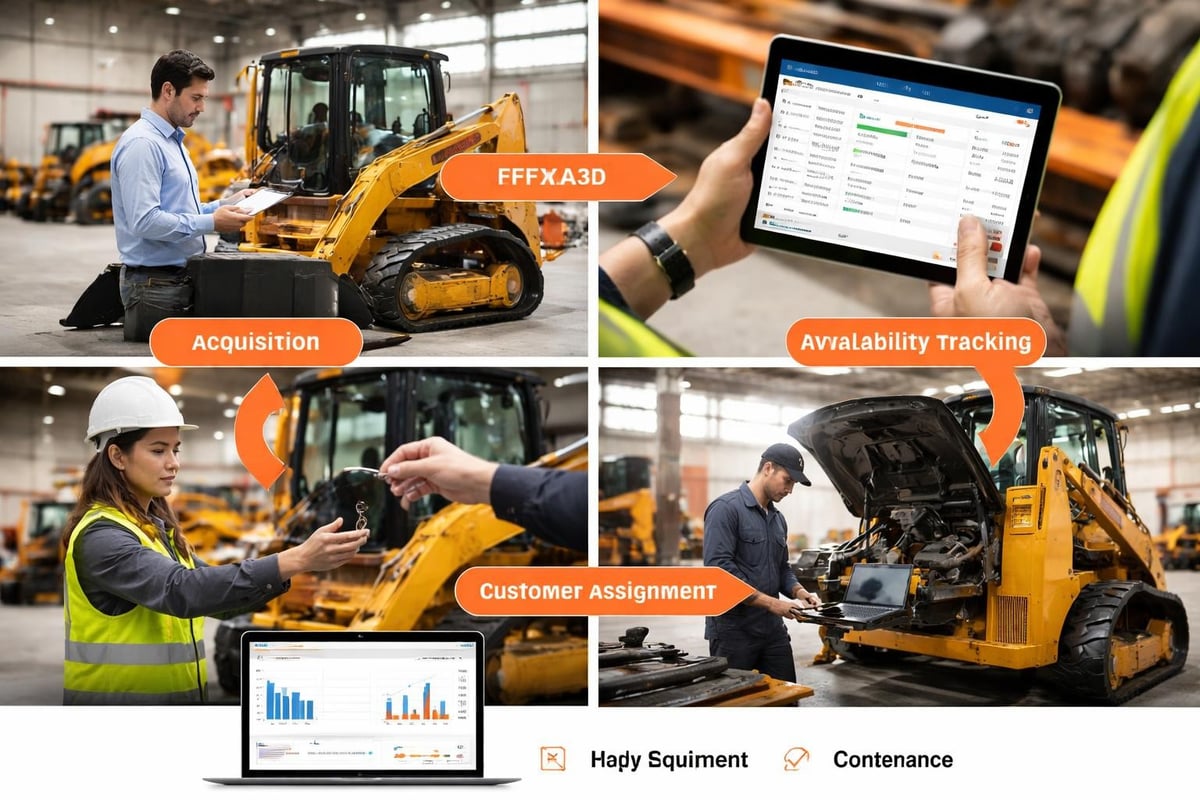
Modern rental management software integrates multiple business functions into a cohesive ecosystem. Inventory management connects seamlessly with customer relationship tools, financial reporting systems, and maintenance scheduling modules. This integration ensures that when a customer reserves equipment, the system automatically updates availability calendars, generates contracts, schedules delivery logistics, and triggers appropriate billing workflows.
Essential Features That Drive Operational Excellence
Selecting the right rental asset management software requires understanding which capabilities deliver the most value for your specific business model. The following features represent the foundational elements that separate robust platforms from basic tracking tools.
Inventory and Asset Tracking
- Serial number tracking for individual equipment identification
- Real-time availability status across all locations
- Multi-location inventory visibility and transfers
- Asset categorization with custom fields and attributes
- Photo documentation and specification storage
- Depreciation tracking and replacement planning
- Barcode or RFID scanning for rapid check-in and check-out
Reservation and Order Management
- Online booking portals for customer self-service
- Conflict prevention through intelligent availability checking
- Flexible pricing models (hourly, daily, weekly, monthly)
- Quote generation with automatic approval workflows
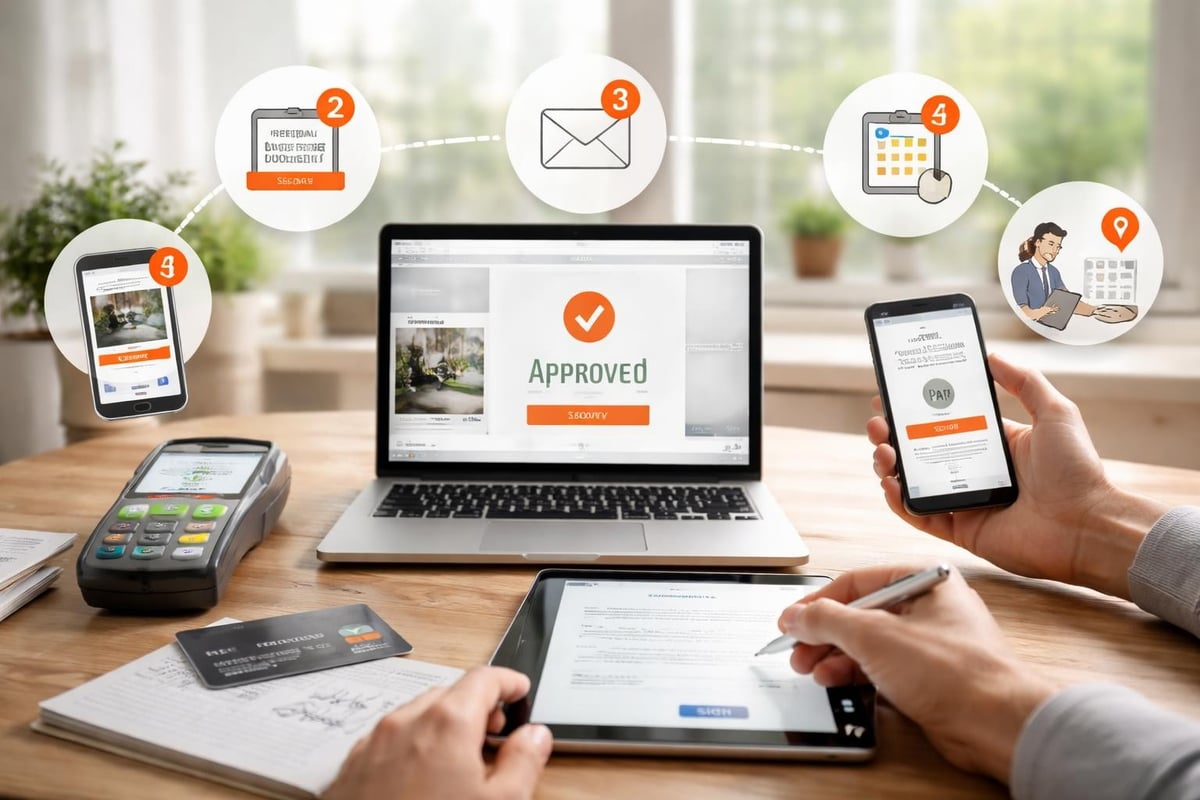
- Contract creation with electronic signature capability
- Delivery scheduling and route optimization
- Damage waivers and insurance documentation
The reservation engine forms the operational heartbeat of any rental business. Advanced systems employ sophisticated algorithms that consider equipment maintenance schedules, existing reservations, buffer times for cleaning or inspection, and delivery logistics when confirming availability. This prevents the costly scenario of double-booking assets or promising delivery timelines that operations cannot fulfill.
Maintenance and Service Management
Equipment maintenance represents one of the most critical yet frequently neglected aspects of rental operations. Rental asset management software transforms reactive maintenance cultures into proactive service programs that extend asset lifespan and reduce unexpected failures.
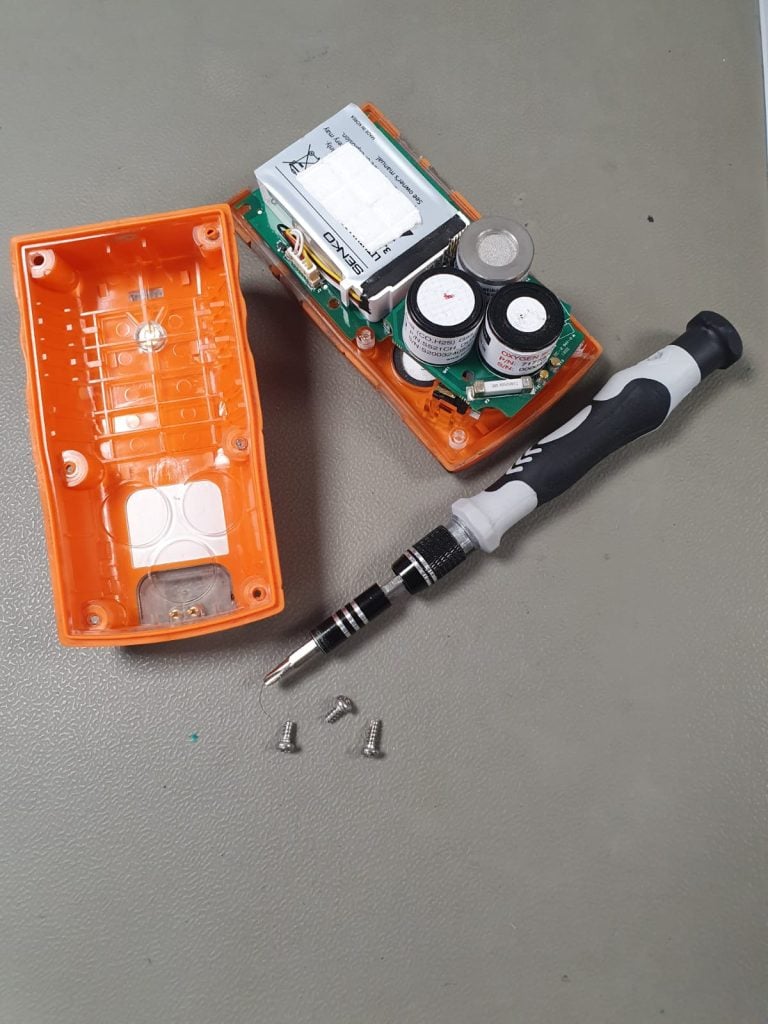
The Brytend Service Module offers a complete and structured way to manage all service-related activities, helping you track equipment, schedule maintenance, and document work with accuracy and ease. By giving each asset a unique identity, you can monitor its full lifecycle-service history, condition, warranty details, and upcoming tasks.
- Automated maintenance reminders based on usage hours or calendar intervals
- Service history documentation for compliance and warranty claims
- Technician assignment and task management
- Parts inventory tracking and automatic reordering
- Service certificate generation for regulated equipment
- Downtime tracking and cost analysis
- Predictive maintenance alerts based on usage patterns
Customer Relationship and Billing Integration
Managing customer interactions efficiently separates thriving rental businesses from those struggling with administrative overhead. Modern rental asset management software incorporates robust customer relationship management (CRM) capabilities specifically tailored to rental transaction patterns.
Customer profiles maintain complete rental histories, payment records, equipment preferences, and communication logs in a single accessible location. This consolidated view enables personalized service delivery, targeted marketing campaigns, and informed credit decisions. When a repeat customer contacts your business, staff can immediately access their complete relationship history rather than searching through disconnected systems or paper files.
| Feature Category | Business Impact | Key Metrics Improved |
|---|---|---|
| Automated Billing | Reduces invoicing errors by 85% | Cash flow, payment speed |
| Customer Portal | Decreases support calls by 60% | Customer satisfaction, staff efficiency |
| Payment Processing | Accelerates revenue collection | Days sales outstanding, bad debt |
| Rental Agreement Templates | Saves 15 minutes per transaction | Operational efficiency, consistency |
The financial integration extends beyond simple invoicing. Sophisticated platforms connect directly with accounting software, automatically recording revenue, tracking receivables, and reconciling payments. Security deposits are managed with proper accounting treatment, late fees calculate automatically according to your business rules, and tax compliance becomes seamless through integrated tax rate management.
Implementation Strategies for Maximum Adoption
Purchasing rental asset management software represents only the beginning of your digital transformation journey. Successful implementation requires careful planning, stakeholder engagement, and realistic timeline expectations. The following structured approach maximizes user adoption while minimizing operational disruption.
Pre-Implementation Planning Phase
- Document current workflows and identify pain points requiring solutions
- Assemble a cross-functional implementation team representing all departments
- Establish clear success metrics aligned with business objectives
- Audit existing data quality and plan cleanup activities
- Define user roles and permission structures
- Create a realistic timeline with milestone checkpoints
- Allocate adequate training resources and schedule sessions
Data migration deserves particular attention during planning. Your existing equipment records, customer information, and transaction history contain valuable business intelligence that must transfer accurately into the new system. Invest time in data cleaning before migration-removing duplicates, standardizing formats, and validating critical information. Poor data quality at launch undermines user confidence and creates long-term operational headaches.
Training and Change Management
Technology adoption fails more frequently due to people challenges than technical limitations. Comprehensive training programs address different learning styles and competency levels across your organization.
- Conduct role-specific training sessions focusing on daily workflows
- Create quick reference guides and video tutorials for common tasks
- Designate super-users within each department as peer support resources
- Schedule follow-up training sessions addressing emerging questions
- Gather continuous feedback and adjust processes accordingly
- Celebrate early wins and share success stories across teams
- Provide ongoing support channels for troubleshooting assistance
The best property management software solutions complement robust features with intuitive interfaces that reduce training requirements. However, even the most user-friendly platforms require structured onboarding to ensure teams leverage available capabilities fully.
Measuring Return on Investment
Quantifying the financial impact of rental asset management software validates the investment and guides ongoing optimization efforts. While some benefits manifest immediately, others emerge gradually as operational patterns mature and staff proficiency increases.
Direct Cost Reductions
- Administrative labor savings through automated workflows
- Reduced equipment loss and theft through better tracking
- Lower maintenance costs via preventive service programs
- Decreased billing errors and revenue leakage
- Minimized late fees through automated payment reminders
- Reduced insurance premiums through documented maintenance
- Lower inventory carrying costs via utilization optimization
Revenue Enhancement Opportunities
Beyond cost savings, strategic deployment of rental asset management software unlocks revenue growth that manual systems cannot support. Real-time availability data enables dynamic pricing strategies that maximize revenue during peak demand periods. Analytics identify underutilized assets that could serve different market segments or justify disposal to redeploy capital more effectively.
| Metric | Before Implementation | After Implementation | Improvement |
|---|---|---|---|
| Equipment Utilization Rate | 62% | 78% | +26% |
| Average Transaction Time | 18 minutes | 7 minutes | -61% |
| Billing Accuracy | 91% | 99.2% | +9% |
| Customer Retention | 68% | 81% | +19% |
The data-driven insights generated by modern platforms transform rental businesses from reactive operators into strategic enterprises. Customizable dashboards surface key performance indicators in real-time, enabling managers to identify trends, address issues promptly, and capitalize on emerging opportunities. Historical reporting reveals seasonal patterns, customer behavior shifts, and equipment performance trends that inform capital investment decisions.
Industry-Specific Applications and Customization
While rental asset management software shares common functionality across sectors, different industries emphasize particular capabilities aligned with their operational requirements and regulatory environments.
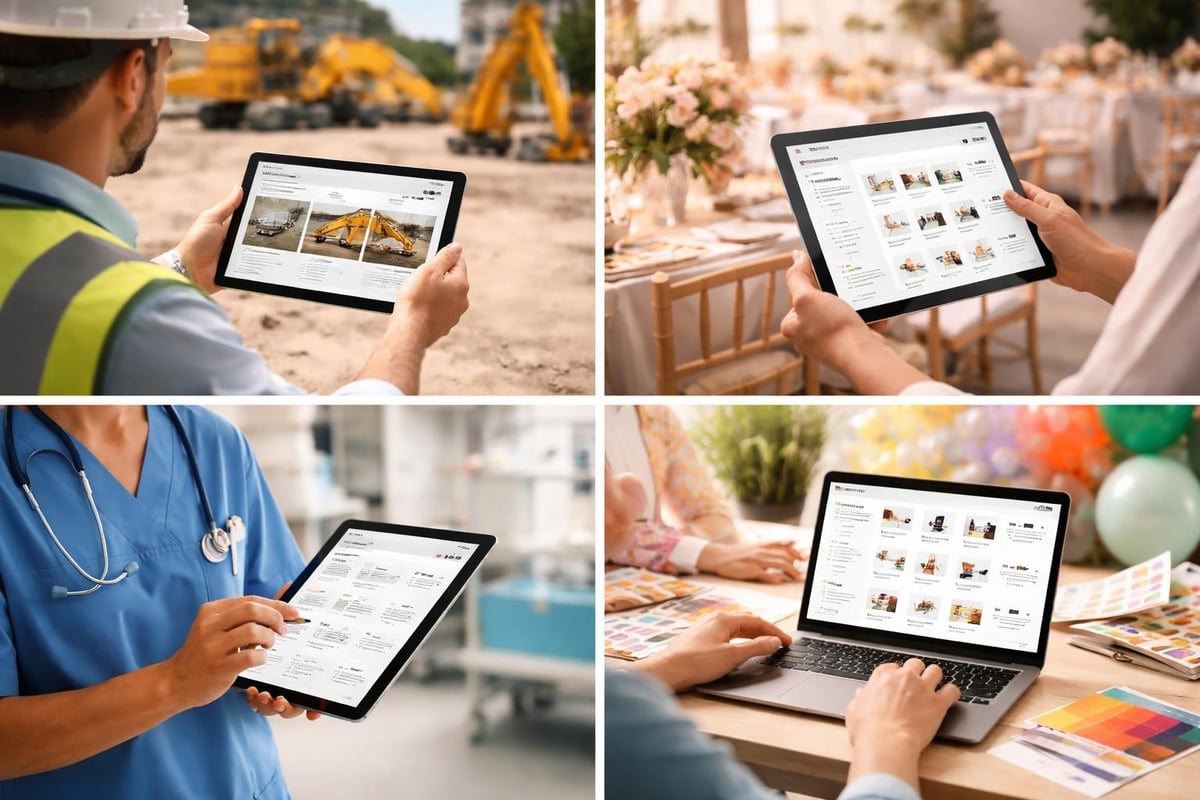
Construction Equipment Rentals
- Integration with project management systems for job costing
- Heavy equipment maintenance tracking with manufacturer specifications
- Operator certification management and compliance reporting
- Transportation logistics for oversized equipment delivery
- Usage-based billing calculated from equipment hour meters
- Safety inspection documentation and compliance tracking
- Environmental compliance reporting for regulated machinery
Event and Party Rentals
- Visual catalogs showcasing inventory with professional photography
- Package building tools for bundled product offerings
- Event timeline management coordinating delivery and pickup
- Linen tracking with cleaning status and quality inspection
- Staffing coordination for delivery crews and setup teams
- Venue-specific delivery instructions and access requirements
- Social media integration for portfolio showcasing
Healthcare equipment rentals face stringent regulatory requirements demanding meticulous documentation. Brytend specializes in developing custom software solutions that address these industry-specific compliance challenges while maintaining operational efficiency.
Integration Capabilities and Technology Ecosystem
Modern businesses operate with diverse technology stacks addressing specialized functions. Rental asset management software must integrate seamlessly within this ecosystem rather than creating isolated data silos. Application programming interfaces (APIs) enable bidirectional data flow between systems, ensuring information consistency and eliminating redundant data entry.
Critical Integration Points
- Accounting software synchronization for financial reporting accuracy
- Payment gateways supporting multiple transaction types
- Email and SMS platforms for automated customer communications
- Website integration enabling online reservations and account management
- E-commerce platforms for retail sales alongside rental operations
- Marketing automation tools for targeted campaign execution
- Business intelligence platforms for advanced analytics
Cloud-based deployment has become the standard architecture for rental asset management software, offering advantages that on-premises installations cannot match. Automatic updates ensure continuous access to new features and security patches without IT intervention. Mobile accessibility empowers field teams to update asset status, capture customer signatures, and process payments from any location with internet connectivity.
Security and Data Protection Considerations
Rental businesses accumulate sensitive customer information including payment card details, identification documents, and personal contact information. Robust security measures protect this data from unauthorized access, theft, or loss while ensuring compliance with privacy regulations.
- Encryption of data both in transit and at rest
- Multi-factor authentication for user access control
- Role-based permissions limiting data access by job function
- Regular security audits and penetration testing
- Automated backup systems with disaster recovery procedures
- Compliance with payment card industry (PCI) standards
- Audit trails documenting all system access and modifications
Vendor selection should include thorough evaluation of security certifications, data center infrastructure, and incident response protocols. Request detailed information about backup procedures, uptime guarantees, and support availability. Understanding how vendors handle security breaches and what notification procedures exist protects your business reputation should incidents occur.
Frequently Asked Questions
What is the average cost of rental asset management software?
Pricing varies significantly based on business size, feature requirements, and deployment model. Small operations might invest between $50 and $200 monthly for cloud-based solutions, while enterprise platforms serving multiple locations with thousands of assets can exceed $1,000 monthly. Most vendors offer tiered pricing structures that scale with your inventory size or transaction volume. Implementation costs, training expenses, and data migration fees often add 20-40% to first-year total cost of ownership.
How long does implementation typically require?
Implementation timelines range from two weeks for basic systems with minimal customization to six months for complex enterprise deployments. The typical mid-sized rental business completes implementation within 6-12 weeks, including data migration, system configuration, staff training, and parallel operation testing. Phased rollouts that introduce functionality gradually often achieve faster user adoption than attempting to activate all features simultaneously.
Can rental asset management software handle multiple locations?
Quality platforms support multi-location operations with centralized visibility and location-specific controls. Administrators can view consolidated inventory across all facilities while restricting individual location managers to their assigned equipment. Inter-location transfers track equipment movement between facilities, maintaining accurate inventory counts and asset location history. Pricing, policies, and operational procedures can vary by location while maintaining corporate-level reporting consistency.
Does the software support custom rental agreements and contracts?
Professional rental asset management software includes contract template builders with merge fields that automatically populate customer information, equipment details, rental terms, and pricing. Templates accommodate different transaction types, customer categories, and equipment classifications. Electronic signature integration enables customers to review and execute agreements digitally, accelerating the rental process while creating legally binding documentation. Some systems support multiple languages for international operations.
How does the software prevent double-booking of equipment?
Advanced availability engines consider all committed reservations, maintenance schedules, delivery buffers, and return processing time when confirming equipment availability. The system prevents overlapping reservations for the same serialized asset automatically. For fleet equipment where specific unit assignment occurs later, the platform tracks category availability and reserves sufficient quantity. Calendar views show equipment status across timeframes, enabling staff to identify conflicts quickly and suggest alternative dates or substitute equipment.
What mobile capabilities should I expect?
Mobile applications extend core functionality to smartphones and tablets, enabling field operations without desktop access. Technicians document maintenance activities, capture photos, and update service records from job sites. Delivery drivers confirm deliveries, collect signatures, and process returns using mobile devices. Customers access self-service portals reviewing reservation details, extending rental periods, and making payments. GPS integration can track delivery vehicle locations and optimize routing efficiency.
How does rental software improve maintenance management?
Automated maintenance scheduling based on usage hours, calendar intervals, or regulatory requirements ensures equipment receives timely service. The system generates work orders, assigns technicians, tracks parts consumption, and documents completed activities. Service history provides valuable data for warranty claims and resale value documentation. Predictive analytics identify patterns indicating potential failures, enabling proactive intervention before costly breakdowns occur. Compliance reporting demonstrates regulatory adherence for audits and inspections.
Implementing rental asset management software represents a strategic investment that transforms operational capabilities and positions your business for sustainable growth. The right platform eliminates administrative bottlenecks, improves customer experiences, and provides data-driven insights that inform smarter business decisions. Brytend brings extensive experience developing custom software solutions tailored to the specific workflows and requirements of rental operations across diverse industries. Our team can help you evaluate options, design optimal configurations, and ensure successful implementation that delivers measurable results for your business.