Property management has evolved significantly over the past decade, transforming from paper-based systems and spreadsheets into sophisticated digital platforms. Rental management software now serves as the backbone for property managers, landlords, and real estate professionals who need to coordinate multiple properties, tenants, maintenance schedules, and financial transactions. This technology addresses the complexity of modern rental operations while providing transparency and efficiency that manual processes simply cannot match.
Understanding Rental Management Software Capabilities
Rental management software encompasses a broad range of digital tools designed to automate and streamline property management operations. These platforms consolidate essential functions into unified systems that handle everything from tenant screening to accounting. According to Wikipedia’s overview of rental management software, these solutions emerged as property portfolios grew beyond what traditional methods could effectively manage.
The core functionality typically includes tenant and lease management, online rent collection, maintenance tracking, financial reporting, and document storage. Modern platforms extend these basics with mobile applications, tenant portals, automated communication systems, and integration capabilities with other business tools. The sophistication of these systems continues to increase as artificial intelligence and machine learning technologies become more accessible.
Primary Functions That Drive Value
-
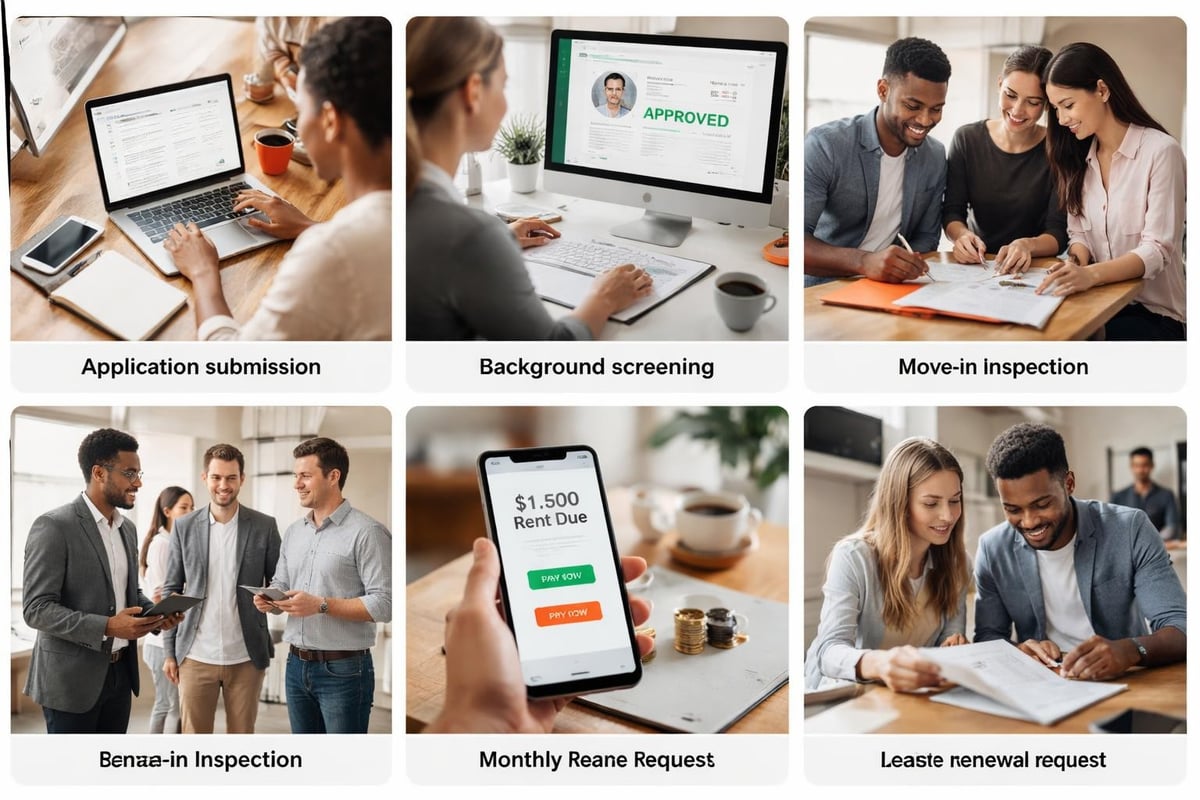
Tenant Lifecycle Management: From application and screening through lease signing and eventual move-out, rental management software tracks every interaction and document associated with each tenant.
-
Financial Operations: Automated rent collection, expense tracking, financial reporting, and tax preparation support eliminate manual accounting tasks and reduce errors.
-
Maintenance Coordination: Work order systems connect tenants, property managers, and service providers, creating transparent workflows that ensure timely resolution of issues.
-
Communication Platforms: Integrated messaging, notification systems, and tenant portals reduce phone calls and emails while creating documented communication trails.
-
Reporting and Analytics: Data-driven insights help property managers identify trends, optimize pricing, and make informed decisions about property investments.
Evaluating Software Solutions for Your Portfolio
Selecting the right rental management software requires careful assessment of your specific needs and operational scale. Choosing property management software involves understanding both current requirements and anticipated growth. A solution suitable for managing five single-family homes differs significantly from one designed for a portfolio of commercial properties or vacation rentals.
The evaluation process should begin with a comprehensive audit of your existing workflows. Document pain points, time-consuming manual processes, and areas where errors frequently occur. This assessment provides a foundation for identifying which features will deliver the most immediate value. Consider whether you need basic functionality or advanced capabilities like dynamic pricing algorithms and market analysis tools.
Key Selection Criteria
| Consideration | Why It Matters | Questions to Ask |
|---|---|---|
| Scalability | Your software should grow with your portfolio | Can it handle 10x your current property count? |
| Integration | Seamless data flow between systems | Does it connect with your accounting software? |
| Mobile Access | Remote management capabilities | Can tenants and staff access key features on phones? |
| Support Quality | Technical assistance when needed | What response times does the vendor guarantee? |
| Security Standards | Protection of sensitive financial and personal data | What encryption and compliance certifications exist? |
Vendor reputation and longevity matter significantly in this decision. Companies like Buildium have established track records serving property managers for years, while newer entrants may offer innovative features but carry more risk. Review customer testimonials, request demonstrations, and ideally conduct trial periods before committing to long-term contracts.
Implementation Strategies for Maximum Adoption
Successful rental management software deployment extends far beyond purchasing a subscription and logging in. Implementation requires strategic planning, data migration, staff training, and change management. Organizations that approach this transition systematically achieve better outcomes and faster return on investment than those attempting rushed deployments.
Begin by establishing a project team with representatives from all affected departments. Property managers, accounting staff, maintenance coordinators, and administrative personnel should all participate in planning discussions. This cross-functional approach ensures the chosen solution addresses everyone's needs and builds organizational buy-in from the start.
Phased Rollout Approach
-
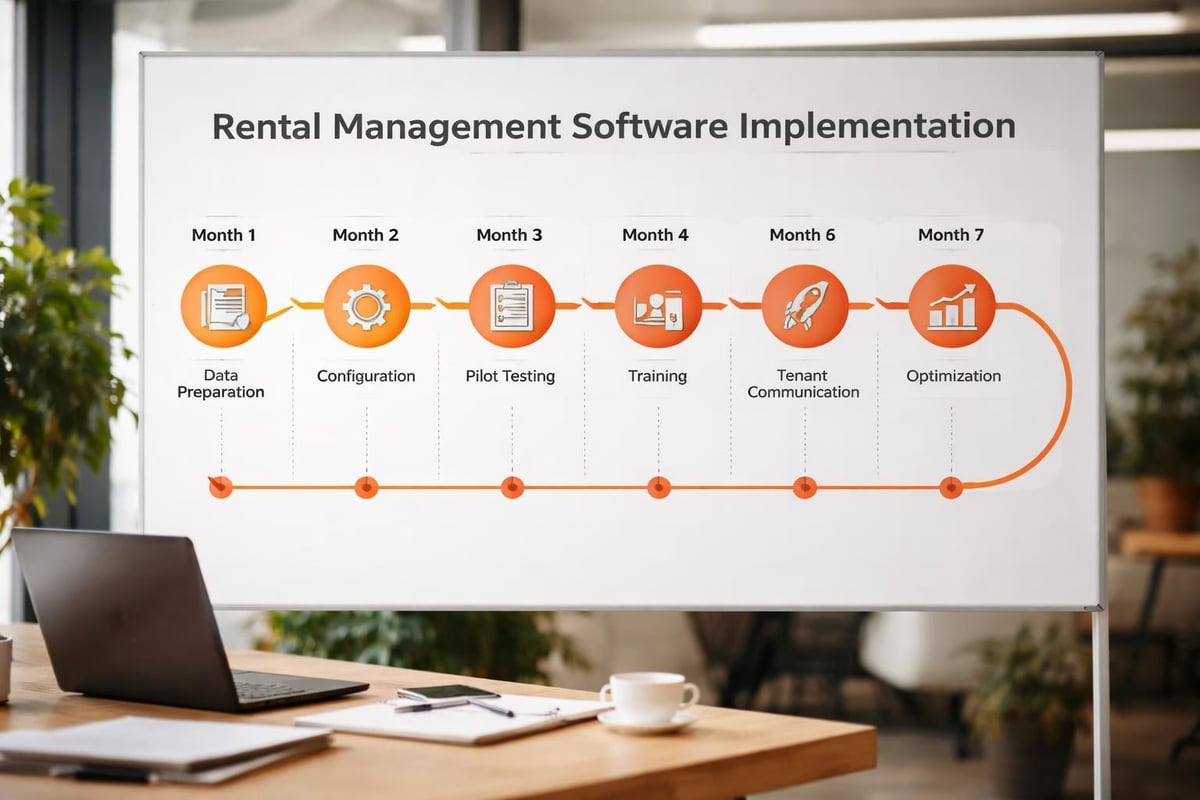
Data Preparation: Clean and organize existing property, tenant, and financial records before migration to ensure data quality in the new system.
-
System Configuration: Customize the software to match your workflows, terminology, and reporting requirements rather than forcing your operations to conform to generic settings.
-
Pilot Testing: Launch the system with a subset of properties to identify issues and refine processes before full-scale deployment.
-
Staff Training: Provide comprehensive training sessions, create reference materials, and establish ongoing support channels for questions and troubleshooting.
-
Tenant Communication: Inform residents about new systems, particularly for online portals and payment methods, with clear instructions and support resources.
-
Full Deployment: Roll out to remaining properties while monitoring performance metrics and user feedback to address emerging challenges quickly.
-
Continuous Optimization: Regularly review system usage, identify underutilized features, and adapt configurations as your operations evolve.
The transition period typically spans several months, depending on portfolio size and system complexity. Best practices for property management emphasize patience during this phase, as rushing implementation often leads to incomplete data migration and frustrated users.
Advanced Features Transforming Property Operations
Modern rental management software increasingly incorporates sophisticated capabilities that extend beyond basic administrative functions. These advanced features leverage emerging technologies to provide competitive advantages and operational efficiencies that weren't possible even a few years ago.
Artificial intelligence now powers predictive maintenance systems that analyze patterns to forecast equipment failures before they occur. Machine learning algorithms optimize rental pricing based on market conditions, seasonal demand, and property characteristics. Automated tenant screening systems evaluate applications using criteria you define while maintaining compliance with fair housing regulations.
Integration and Automation Opportunities
The most powerful rental management software platforms function as central hubs that connect with numerous other business systems. Payment processors, background check services, accounting software, and marketing platforms all integrate to create seamless data flows. This connectivity eliminates redundant data entry and ensures consistency across all your business tools.
Workflow automation represents another significant advancement. Tasks that previously required manual intervention-sending lease renewal reminders, escalating overdue maintenance requests, or generating monthly financial reports-now execute automatically based on triggers you configure. These automations free staff to focus on relationship-building and strategic activities rather than administrative repetition.
Custom software development plays a crucial role when off-the-shelf solutions don't fully address unique operational requirements. Organizations with specialized property types, complex ownership structures, or industry-specific compliance needs often benefit from tailored systems. Brytend specializes in creating these custom solutions, building rental management platforms that align precisely with clients' workflows and business models.
The Brytend CRM seamlessly integrates with rental operations, providing comprehensive tools to manage tenant relationships, track communication history, and coordinate service delivery across properties. This integrated approach ensures no tenant inquiry falls through the cracks while providing the data visibility needed for exceptional service.

Mobile Technology Reshaping Tenant Experience
Smartphone adoption has fundamentally changed tenant expectations for how they interact with property management. Today's renters expect the same level of digital convenience they experience with banking, shopping, and other services. Rental management software that lacks robust mobile capabilities creates friction that can impact tenant satisfaction and retention.
Mobile applications enable tenants to pay rent, submit maintenance requests, review lease documents, and communicate with property managers from anywhere. This convenience benefits both parties-tenants appreciate the accessibility, while managers reduce administrative workload from phone calls and office visits. Property management software selection guides consistently emphasize mobile functionality as a critical evaluation criterion.
Mobile Features That Matter Most
-
Instant Payment Processing: Tenants can pay rent through various methods, receiving immediate confirmation and digital receipts.
-
Maintenance Request Tracking: Submit issues with photos, track repair progress, and receive updates when work is completed.
-
Document Access: Review lease terms, community rules, and important notices without contacting the office.
-
Communication Channels: Direct messaging with property management creates documented conversations that resolve issues faster.
-
Community Features: Access amenity reservations, event calendars, and neighbor directories that build community engagement.
Property managers benefit equally from mobile access, with the ability to approve applications, coordinate maintenance, respond to emergencies, and review financial data while away from the office. Field staff conducting property inspections can document conditions, upload photos, and generate reports directly from their smartphones.
Data Security and Compliance Considerations
Rental management software stores vast amounts of sensitive information, including Social Security numbers, banking details, credit reports, and personal tenant data. This concentration of valuable information makes these systems attractive targets for cybercriminals. Selecting software with robust security measures isn't optional-it's fundamental to protecting both your business and your tenants.
Encryption standards, access controls, audit trails, and regular security assessments form the foundation of secure systems. Reputable vendors undergo third-party security audits and maintain certifications demonstrating their commitment to data protection. RealPage’s history illustrates how even established companies face scrutiny regarding data practices, emphasizing the importance of vendor due diligence.
Compliance Requirements by Property Type
| Property Type | Key Regulations | Specific Considerations |
|---|---|---|
| Residential | Fair Housing Act, state landlord-tenant laws | Application screening criteria, accessibility requirements |
| Commercial | ADA compliance, zoning regulations | Lease term flexibility, expense allocation methods |
| Student Housing | FERPA considerations, institutional policies | Parental access permissions, academic calendar alignment |
| Affordable Housing | HUD regulations, income verification | Recertification schedules, subsidy tracking |
| Vacation Rentals | Local licensing, tax collection | Occupancy limits, short-term rental restrictions |
Your rental management software should support compliance through built-in workflows, automated documentation, and reporting capabilities that demonstrate adherence to applicable regulations. Audit trails documenting every system action protect against disputes and provide evidence of proper procedures.
Financial Management and Reporting Capabilities
Accurate financial tracking forms the cornerstone of successful property management. Rental management software transforms this traditionally time-consuming aspect into automated processes that provide real-time visibility into portfolio performance. General ledger integration, automated bank reconciliation, and multi-property reporting deliver the financial intelligence needed for strategic decision-making.
Chart of accounts customization allows you to track income and expenses in ways that match your business structure and reporting needs. Property-level profitability analysis reveals which assets generate strong returns and which may require attention. Owner statements, tax reporting, and budgeting tools streamline interactions with property owners and simplify year-end processes.
Metrics That Drive Better Decisions
-
Occupancy Rates: Track current occupancy, lease expiration schedules, and historical trends to optimize leasing strategies.
-
Net Operating Income: Monitor revenue minus operating expenses at property and portfolio levels for performance assessment.
-
Rent Collection Rates: Identify delinquency patterns early and measure the effectiveness of collection processes.
-
Maintenance Cost Analysis: Understand repair expenses by property, category, and vendor to control costs and plan capital improvements.
-
Turnover Metrics: Calculate average vacancy periods and turnover costs to evaluate tenant retention effectiveness.
-
Vendor Performance: Assess service provider response times, work quality, and cost competitiveness across your portfolio.
-
Portfolio Diversification: Analyze property type mix, geographic distribution, and tenant demographics to manage risk exposure.
Tips for using rental management systems frequently highlight report scheduling features that automatically deliver key metrics to stakeholders without manual effort. This automation ensures consistent communication and enables data-driven conversations about portfolio strategy.
Customization Versus Configuration Options
The distinction between software customization and configuration significantly impacts both implementation complexity and long-term maintenance. Configuration involves selecting from predefined options, enabling features, and adjusting settings within the software's existing framework. Customization requires actual code changes to add functionality or modify behavior beyond what the standard product offers.
Most rental management software provides extensive configuration options that address common variations in business processes. Custom fields, workflow rules, template modifications, and report builders enable significant adaptation without touching underlying code. These configuration capabilities should meet the needs of most property management organizations when properly leveraged.
True customization becomes necessary when unique business requirements cannot be addressed through standard configuration. This might include specialized compliance workflows, integration with proprietary systems, or calculations specific to your market or property types. Building effective rental management software requires balancing standard features with flexibility for unique needs.
Frequently Asked Questions
What is the average cost of rental management software?
Pricing varies significantly based on features, portfolio size, and deployment model. Basic systems start around twenty to fifty dollars per unit monthly, while enterprise solutions for large portfolios may cost several hundred dollars per unit. Most vendors offer tiered pricing that scales with the number of properties or units managed. Additional costs may include implementation fees, training, and charges for premium features or integrations.
How long does it take to implement rental management software?
Implementation timelines range from a few weeks for small portfolios with simple needs to several months for large organizations with complex requirements. Factors influencing duration include data migration volume, custom configuration needs, staff training requirements, and the number of properties transitioning to the new system. Phased rollouts for larger portfolios often span three to six months to ensure quality and minimize disruption.
Can rental management software integrate with existing accounting systems?
Most modern rental management software offers integration capabilities with popular accounting platforms like QuickBooks, Xero, and other financial management systems. These integrations typically sync transaction data, reducing double entry and ensuring financial records remain consistent across systems. The depth and reliability of integrations vary by vendor, making this an important evaluation criterion during software selection.
What happens to my data if I switch rental management software providers?
Reputable vendors provide data export capabilities that allow you to retrieve your information in standard formats if you decide to change systems. However, the completeness and usability of exported data varies significantly between platforms. Before committing to any software, verify export options, understand what data elements can be retrieved, and review any contractual terms regarding data ownership and portability.
Is cloud-based or on-premise rental management software better?
Cloud-based solutions have become the dominant deployment model due to advantages in accessibility, automatic updates, disaster recovery, and reduced IT infrastructure requirements. On-premise systems offer more control over data and customization but require internal technical expertise and hardware maintenance. For most property management organizations in 2026, cloud-based platforms provide the best balance of functionality, cost, and convenience.
How does rental management software handle maintenance coordination?
These systems typically include work order management modules where tenants submit requests, managers assign tasks to vendors or internal staff, and everyone tracks progress through completion. Advanced platforms offer mobile apps for technicians, automated vendor selection based on trade and availability, cost tracking against budgets, and tenant notifications when work is scheduled or completed. This centralized approach replaces phone tag and paper work orders with transparent digital workflows.
What training is required for staff to use rental management software effectively?
Training needs vary based on software complexity and staff technical proficiency. Most vendors provide initial training sessions, documentation, and video tutorials covering core functions. Effective adoption typically requires role-specific training-property managers need different skills than accounting staff or maintenance coordinators. Ongoing training for new features and refresher sessions help maximize system value. Budget for ten to twenty hours of training per staff member during initial implementation.
Rental management software has become indispensable for modern property operations, delivering efficiency, transparency, and tenant satisfaction that manual methods cannot match. The right platform transforms administrative burdens into automated workflows while providing the data visibility needed for strategic growth. If your organization needs a rental management solution tailored to unique operational requirements, Brytend brings deep technical expertise in custom software development to create systems that align perfectly with your business model and growth objectives.