Managing a rental business requires juggling multiple moving parts simultaneously: tracking inventory across locations, coordinating reservations, processing payments, maintaining customer records, and ensuring timely returns. As rental operations scale, spreadsheets and manual processes quickly become bottlenecks that lead to double bookings, lost revenue, and frustrated customers. This is where specialized rental tracking software transforms operations by centralizing data, automating workflows, and providing real-time visibility across your entire rental ecosystem.
Understanding the Core Functions of Rental Tracking Software
Rental tracking software serves as the operational backbone for businesses that lease equipment, vehicles, properties, or other assets to customers on a temporary basis. Unlike generic business management tools, these systems are purpose-built to handle the unique challenges of rental operations.
The foundation of any effective rental management software lies in its inventory management capabilities. These platforms track each asset's availability status, location, condition, maintenance history, and utilization rate. This granular visibility prevents overbooking situations and helps businesses identify underperforming assets that tie up capital without generating adequate returns.
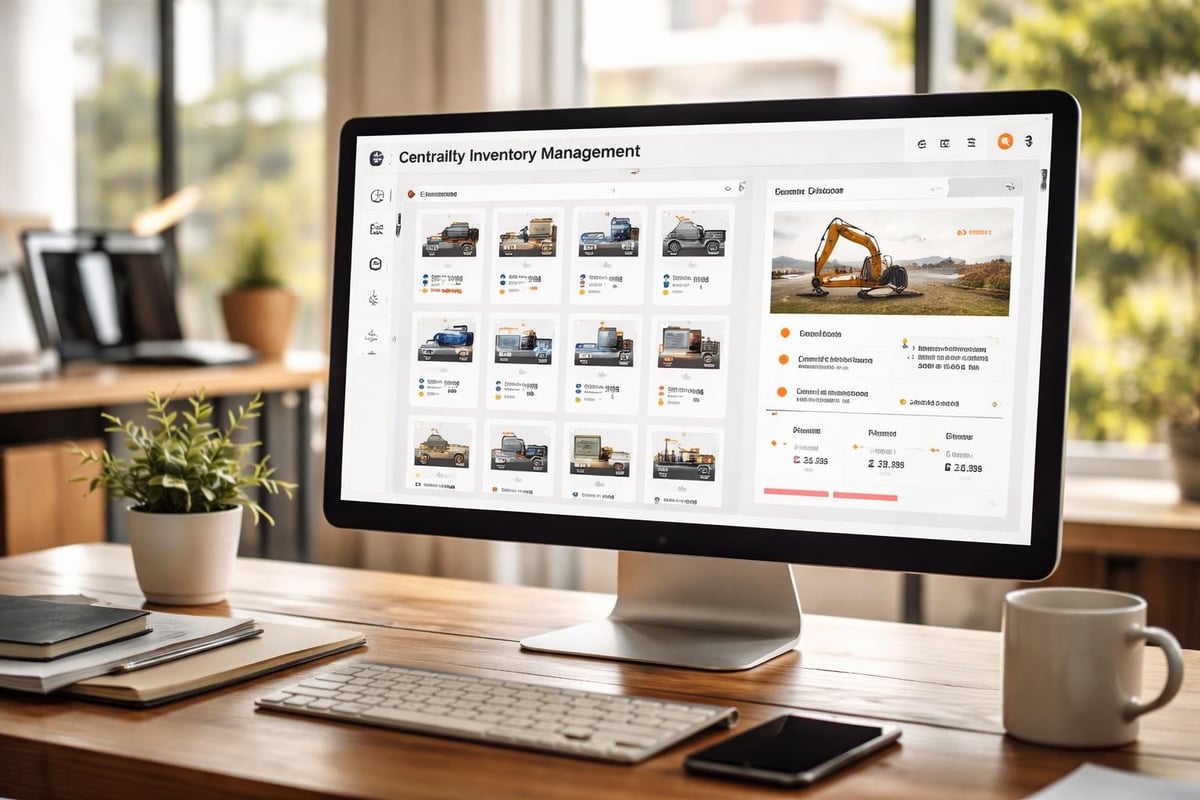
Reservation management represents another critical component. The software maintains a calendar system that displays availability across all assets, processes new bookings, manages waitlists, and handles modifications or cancellations. Advanced systems integrate with online booking portals, allowing customers to check availability and reserve items directly without staff intervention.
Financial Operations and Billing Automation
Revenue management in rental businesses involves complexities that standard accounting software struggles to address. Rental tracking software automates pricing calculations based on duration, seasonal rates, volume discounts, and special promotions. The system generates invoices automatically, tracks payment status, sends reminders for overdue accounts, and processes security deposits.
Late fees present a particular challenge in rental operations. The software calculates penalties based on predefined rules, applies them to customer accounts, and documents the charges for accounting purposes. This automation removes subjective decision-making and ensures consistent policy enforcement across all transactions.
Tax compliance becomes significantly simpler when the system automatically calculates applicable sales taxes based on rental location, asset type, and local regulations. For businesses operating across multiple jurisdictions, this feature alone can justify the investment in specialized software.
Key Features That Drive Operational Efficiency
Modern rental tracking software extends far beyond basic inventory and billing functions. These platforms incorporate sophisticated features that address the entire customer lifecycle and operational workflow.
Customer relationship management integration allows businesses to maintain detailed profiles including rental history, preferences, communication logs, and creditworthiness assessments. This information enables personalized service and informed decision-making when evaluating rental applications. Brytend CRM demonstrates how tailored customer management systems can be designed to match specific business workflows and data requirements, rather than forcing organizations to adapt to generic solutions.
When evaluating platforms, organizations benefit from understanding how well the system aligns with their operational needs and growth trajectory.
Contract generation and digital signature capabilities streamline the rental agreement process. The software auto-populates contracts with customer information, asset details, rental terms, and pricing. Integration with electronic signature services allows customers to review and sign agreements remotely, accelerating the rental initiation process.
| Feature Category | Business Impact | Automation Level |
|---|---|---|
| Inventory Management | Prevents double-booking, optimizes utilization | High |
| Reservation Processing | Reduces manual errors, speeds booking | High |
| Billing & Invoicing | Ensures payment accuracy, improves cash flow | Very High |
| Maintenance Scheduling | Extends asset lifespan, reduces downtime | Medium |
| Reporting & Analytics | Informs strategic decisions, identifies trends | Medium |
| Customer Communications | Enhances satisfaction, reduces no-shows | High |
Maintenance and Asset Lifecycle Management
Equipment maintenance represents a significant operational concern for rental businesses. Rental tracking software schedules preventive maintenance based on usage hours, calendar intervals, or condition indicators. The system generates work orders, assigns them to maintenance personnel, and tracks completion status.
Maintenance history documentation proves valuable for warranty claims, resale value assessments, and replacement decisions. The software maintains detailed records of all service activities, parts replacements, and condition assessments for each asset throughout its lifecycle.
Quality control workflows ensure assets meet rental-ready standards before assignment to customers. The system can require inspection completion and approval before making items available for reservation, protecting both asset condition and customer satisfaction.
Integration Capabilities and Technology Ecosystem
No business software operates in isolation. Rental tracking software must connect with existing systems to create a seamless operational environment. Integration capabilities determine how effectively the platform fits within your broader technology infrastructure.
Accounting system integration eliminates duplicate data entry by automatically syncing financial transactions, customer payments, and account balances. This bi-directional connection ensures consistency between operational and financial records while reducing administrative overhead.
E-commerce platform connections enable online rental bookings by synchronizing inventory availability, pricing, and reservation data. Customers can browse available items, check real-time availability, and complete bookings through your website. Companies like RealPage have demonstrated the value of integrated platforms that connect online presence with backend operations.
Payment processing integration allows customers to pay through multiple channels including credit cards, digital wallets, and ACH transfers. The software automatically updates account balances, applies payments to invoices, and triggers confirmation notifications.

Mobile Access and Field Operations
Mobile applications extend rental tracking software capabilities to field personnel and customers. Staff can check inventory status, process returns, conduct inspections, and update asset conditions from any location using smartphones or tablets.
Customer-facing mobile apps provide self-service capabilities including reservation management, payment processing, and support requests. This reduces call center volume while improving customer convenience and satisfaction.
GPS tracking integration for vehicle and equipment rentals provides real-time location monitoring, geofencing alerts, and utilization verification. This feature proves particularly valuable for high-value assets and ensures compliance with geographic restrictions in rental agreements.
Selecting the Right Solution for Your Business
Choosing appropriate rental tracking software requires careful evaluation of your operational requirements, growth plans, and technical capabilities. Different businesses face distinct challenges based on their rental category, business model, and customer base.
-
Assess your specific asset types and whether the software accommodates their unique tracking requirements such as serialization, variations, or bundled packages.
-
Evaluate scalability to ensure the platform supports your growth trajectory without requiring migration to a different system as volume increases.
-
Consider deployment options between cloud-based solutions offering accessibility and automatic updates versus on-premise installations providing greater control and customization.
-
Analyze integration requirements with existing business systems including accounting software, payment processors, and customer communication platforms.
-
Review vendor support and training resources to ensure successful implementation and ongoing assistance when issues arise.
-
Calculate total cost of ownership including licensing fees, implementation costs, training expenses, and ongoing maintenance rather than focusing solely on initial purchase price.
-
Request demonstrations with your actual data and workflows to observe how the software handles real-world scenarios specific to your operation.
Short-term rental businesses managing vacation properties or event equipment face different demands than industrial equipment rental operations or vehicle leasing companies. Platforms like Guesty specialize in specific rental niches, demonstrating how tailored solutions often outperform generic alternatives for specialized use cases.
Implementation Strategy and Change Management
Successful rental tracking software deployment requires more than technical installation. Organizations must plan for data migration, staff training, and process adaptation to realize the full value of their investment.
Data migration represents a critical first step. Existing inventory records, customer information, pricing structures, and transaction history must transfer accurately into the new system. This process often reveals data quality issues that require resolution before migration can proceed.
| Implementation Phase | Duration | Key Activities | Success Metrics |
|---|---|---|---|
| Planning | 2-4 weeks | Requirements gathering, vendor selection | Clear objectives defined |
| Data Preparation | 3-6 weeks | Cleansing, formatting, migration testing | Data accuracy >98% |
| Configuration | 2-4 weeks | System setup, workflow design, integration | All features operational |
| Training | 2-3 weeks | Staff education, documentation creation | User competency achieved |
| Pilot Testing | 2-4 weeks | Limited rollout, issue identification | Critical bugs resolved |
| Full Deployment | 1-2 weeks | Complete transition, monitoring | Operations stabilized |
Staff Training and Adoption
User adoption determines whether rental tracking software delivers theoretical benefits or actual operational improvements. Comprehensive training programs should address different user roles and proficiency levels.
Front-desk staff require training on reservation processing, customer check-in/check-out procedures, and payment handling. Maintenance personnel need education on work order management and condition reporting. Management users should understand reporting capabilities and system administration functions.
Creating role-specific training materials and providing hands-on practice opportunities increases retention and confidence. Designating internal champions who receive advanced training and provide peer support can accelerate adoption and reduce implementation friction.

Custom Development Versus Off-the-Shelf Solutions
Businesses face a fundamental decision between purchasing commercial rental tracking software or investing in custom development. Each approach offers distinct advantages and challenges that align with different organizational circumstances.
Off-the-shelf solutions provide faster implementation, lower upfront costs, and proven functionality tested across numerous deployments. These platforms include standard features that address common rental business requirements without development delay. However, they may include unnecessary features while lacking specific capabilities unique to your operation.
Custom software development creates solutions precisely matched to your workflows, terminology, and business rules. This approach eliminates compromise between your processes and software constraints. Organizations with unique rental models, complex pricing structures, or specialized compliance requirements often find custom development more cost-effective long-term despite higher initial investment.
Brytend specializes in developing tailored rental tracking systems that accommodate specific operational requirements while incorporating industry best practices. Custom solutions can integrate seamlessly with existing systems and scale alongside business growth without license restrictions or per-user fees.
The decision framework should consider operational complexity, available budget, timeline constraints, and long-term strategic plans. Businesses with relatively standard rental operations benefit from commercial software, while those with unique requirements or competitive differentiation through operational excellence may justify custom development investment.
Emerging Trends Reshaping Rental Management
The rental industry continues evolving as technology advances and customer expectations shift. Understanding emerging trends helps businesses select software that remains relevant as the operational landscape changes.
Artificial intelligence and machine learning increasingly influence rental tracking software capabilities. Predictive analytics forecast demand patterns, optimize pricing strategies, and identify maintenance needs before failures occur. These algorithms analyze historical data to recommend inventory adjustments, staffing levels, and marketing initiatives.
Contactless rental experiences gained momentum recently and continue expanding. Customers increasingly expect to complete the entire rental process digitally without physical interaction. Software must support remote identity verification, digital contracts, electronic payments, and keyless asset access through smartphone applications.
Sustainability tracking features help businesses monitor and report environmental impact metrics. Software calculates carbon footprint per rental, tracks recycling and disposal activities, and generates sustainability reports for stakeholders increasingly concerned with corporate environmental responsibility.
Blockchain technology shows promise for rental verification, fraud prevention, and transparent transaction records. While still emerging, distributed ledger capabilities may transform security deposits, identity verification, and cross-platform reputation systems.
Measuring Return on Investment
Quantifying rental tracking software value requires establishing baseline metrics before implementation and monitoring improvements after deployment. Multiple dimensions contribute to overall return on investment beyond simple cost reduction.
Operational efficiency gains manifest through reduced processing time per transaction, decreased error rates, and lower administrative staffing requirements. Measuring transaction volume per employee before and after implementation reveals productivity improvements.
Revenue optimization occurs through reduced double-bookings, improved asset utilization rates, and dynamic pricing capabilities. Comparing revenue per asset and overall rental income provides concrete evidence of financial impact.
Customer satisfaction improvements reduce churn, increase repeat business, and generate referrals. Tracking customer retention rates, review scores, and net promoter scores quantifies relationship enhancement enabled by better software.
| Performance Metric | Typical Improvement | Measurement Method |
|---|---|---|
| Processing Time per Rental | 40-60% reduction | Time tracking comparison |
| Booking Error Rate | 70-85% reduction | Error log analysis |
| Asset Utilization Rate | 15-25% increase | Revenue per asset calculation |
| Payment Collection Time | 30-45% reduction | Accounts receivable aging |
| Customer Retention Rate | 10-20% increase | Repeat customer analysis |
| Administrative Labor Cost | 25-35% reduction | Payroll comparison |
Frequently Asked Questions
What is rental tracking software and how does it differ from general inventory management?
Rental tracking software is a specialized platform designed specifically for businesses that temporarily lease assets to customers. While general inventory management focuses on stock levels and sales fulfillment, rental tracking handles time-based availability, reservation conflicts, return processing, late fees, maintenance scheduling, and recurring customer relationships. The software manages the cyclical nature of assets moving in and out of inventory rather than permanent transfers typical in retail operations.
How much does rental tracking software typically cost?
Pricing varies significantly based on deployment model, feature set, and business size. Cloud-based solutions typically charge monthly subscription fees ranging from fifty dollars for basic systems to several hundred dollars for enterprise platforms. Per-user pricing models add costs as staff grows. On-premise solutions require upfront license fees from several thousand to tens of thousands of dollars plus annual maintenance contracts. Custom development projects start around twenty thousand dollars and scale based on complexity. Total cost of ownership should include implementation, training, integration, and ongoing support expenses beyond software licensing.
Can rental tracking software handle multiple locations or franchises?
Modern rental tracking platforms include multi-location capabilities that centralize inventory visibility while maintaining location-specific operations. The software tracks asset transfers between locations, maintains separate pricing and availability by facility, and generates location-specific reporting. Enterprise editions provide hierarchical organizational structures supporting franchise operations with corporate oversight while preserving individual location autonomy. Cloud-based systems particularly excel at multi-location scenarios by eliminating server infrastructure at each facility.
How does rental tracking software prevent double-booking situations?
The software maintains a central reservation database that updates in real-time as bookings occur. When staff or customers check availability, the system queries current reservation status before allowing new bookings. Advanced platforms implement reservation locking mechanisms that temporarily hold assets during the booking process to prevent simultaneous reservations. Buffer time settings can automatically add preparation or cleaning periods between rentals, creating scheduling gaps that prevent overlapping assignments. Overbooking protection rules decline reservations that would exceed available inventory for requested dates.
What happens to our data if we switch rental tracking software providers?
Reputable vendors provide data export capabilities that allow customers to extract their information in standard formats like CSV, Excel, or database dumps. Most platforms include customer records, transaction history, inventory details, and financial data in exports. The challenge lies in mapping exported data to your new system's structure, which often requires data transformation and cleansing. Before selecting software, review the vendor's data portability policies and export formats. Custom-developed solutions provide complete data ownership without vendor lock-in concerns since you control the database directly.
How long does it typically take to implement rental tracking software?
Implementation timelines range from a few weeks for simple cloud-based solutions to several months for complex enterprise deployments or custom development projects. The process includes planning and requirements gathering, data migration and cleansing, system configuration and integration, staff training, and pilot testing before full deployment. Small businesses with straightforward operations may complete implementation in four to six weeks. Mid-size organizations typically require eight to twelve weeks. Large enterprises or highly customized solutions may need four to six months. Adequate planning and resource allocation significantly impact timeline success.
Does rental tracking software require technical expertise to operate?
Modern rental tracking platforms prioritize user-friendly interfaces that require minimal technical knowledge for daily operations. Staff can typically learn core functions like processing reservations, checking inventory, and generating invoices within several days of training. However, system administration tasks including configuration changes, report customization, integration management, and troubleshooting benefit from technical proficiency. Many businesses designate a system administrator with elevated permissions who receives advanced training. Cloud-based solutions reduce technical requirements by eliminating server maintenance, security updates, and backup management that vendors handle automatically.
Implementing effective rental tracking software transforms operational chaos into streamlined workflows that drive profitability and customer satisfaction. The right system eliminates manual processes, reduces errors, and provides visibility that informs strategic decisions. When off-the-shelf solutions don't align with your unique requirements, Brytend develops custom rental management platforms tailored to your specific workflows, integration needs, and growth objectives. Their experienced development team creates scalable solutions that evolve alongside your business without the constraints of commercial software limitations.