
Healthcare organizations face mounting pressure to deliver quality care while managing increasingly complex technology portfolios. The stakes have never been higher for maintaining medical devices that directly impact patient outcomes. When equipment fails at critical moments, the consequences extend far beyond inconvenience. Lives hang in the balance, operational costs spiral upward, and regulatory penalties loom large. Yet many facilities still approach medical equipment maintenance as an afterthought rather than a strategic imperative that demands systematic planning and execution.
The Hidden Costs of Reactive Maintenance Approaches
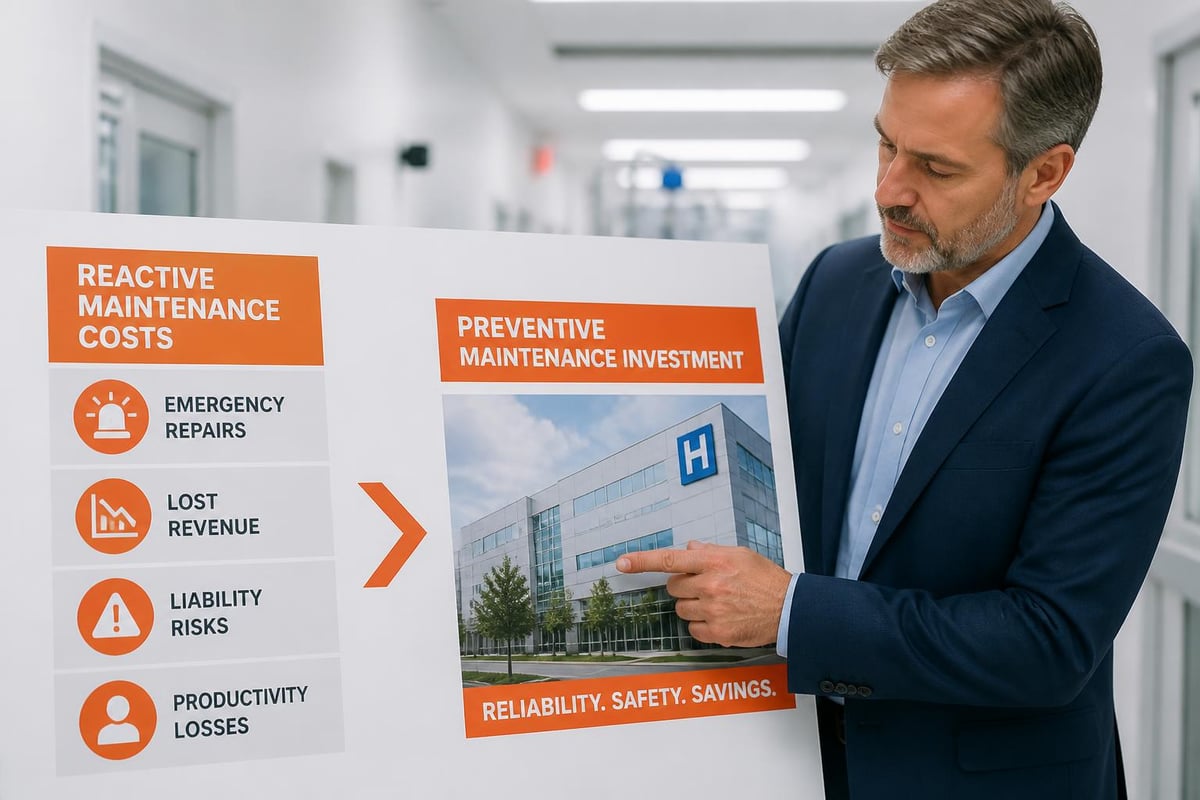
Most healthcare facilities underestimate the true price of waiting for equipment to break before taking action. The visible expenses include emergency repair calls, rush orders for replacement parts, and overtime labor costs for biomedical technicians scrambling to restore functionality. These immediate costs, however, represent only a fraction of the total financial impact.
The deeper financial damage emerges from downstream effects that rarely appear on maintenance budgets. When a critical imaging system goes offline unexpectedly, the radiology department must reschedule appointments, redirect patients to other facilities, or delay diagnostic procedures. Each postponed scan represents lost revenue, frustrated patients, and potential delays in treatment plans that could affect health outcomes. Operating room equipment failures force surgical teams to cancel procedures, creating cascading schedule disruptions that affect dozens of patients and staff members.
Patient safety incidents stemming from equipment malfunctions carry extraordinary costs that extend well beyond the immediate medical response. Legal liabilities, insurance premium increases, damage to institutional reputation, and regulatory scrutiny all flow from preventable equipment failures. According to comprehensive guidelines from the World Health Organization, systematic medical equipment maintenance programs significantly reduce these risks through structured inspection, preventive, and corrective maintenance protocols.
The productivity losses add another layer of hidden expense. Clinical staff waiting for malfunctioning equipment diverts attention from patient care. Nurses spending extra time documenting workarounds, physicians adjusting treatment approaches due to unavailable technology, and administrators managing patient complaints all represent productivity drains that compound over time.
Compliance Gaps That Create Organizational Vulnerability
Regulatory requirements for medical equipment maintenance grow more stringent each year, yet many organizations struggle to demonstrate consistent compliance. The Joint Commission, FDA regulations, and state health departments all mandate specific maintenance protocols, documentation standards, and inspection frequencies. Failing to meet these requirements exposes healthcare facilities to citations, fines, accreditation problems, and potential liability in adverse events.
The documentation challenge alone overwhelms many biomedical engineering departments. Each piece of equipment requires maintenance logs, service histories, calibration records, and safety inspection documentation. When these records exist only in paper form or scattered across multiple systems, proving compliance during audits becomes a stressful scramble to locate and compile information.
Missing documentation creates legal exposure that extends years into the future. If a patient claims harm from a device malfunction, attorneys will scrutinize maintenance records to establish whether the facility met its duty of care. Incomplete or inconsistent documentation patterns suggest negligence, regardless of whether the actual maintenance work occurred. The American Academy of Sleep Medicine’s equipment maintenance standards emphasize the critical importance of comprehensive policies and procedures for safety inspections and infection control protocols.
Calibration lapses present another compliance risk that directly affects diagnostic accuracy and treatment effectiveness. Laboratory equipment, imaging systems, and patient monitoring devices all require periodic calibration to ensure accurate readings. When calibration schedules slip, measurements drift from true values, potentially leading to misdiagnoses, inappropriate treatments, or missed critical findings. These errors may not surface until patterns emerge across multiple patients, by which time significant harm may have occurred.
The Staffing Dilemma in Biomedical Engineering
Healthcare facilities face persistent challenges recruiting and retaining qualified biomedical technicians. The specialized knowledge required to maintain diverse equipment portfolios, combined with increasing technological complexity, creates workforce gaps that compromise maintenance programs. Experienced technicians retire faster than new professionals enter the field, leaving departments chronically understaffed.
This staffing shortage forces remaining technicians into reactive firefighting mode. They prioritize urgent repair calls over scheduled preventive maintenance, creating a vicious cycle where deferred prevention leads to more equipment failures requiring urgent attention. The backlog of preventive maintenance tasks grows steadily while technicians rush from one emergency to another.
Organizations attempting to compensate through overtime or contracted services face diminishing returns. Fatigued technicians make mistakes, miss subtle warning signs, and work less efficiently. External service providers lack institutional knowledge about equipment usage patterns, modification histories, and site-specific quirks that inform effective maintenance approaches. Research on AI-powered diagnostic platforms explores how technology assistance could help biomedical technicians diagnose and repair devices more efficiently, particularly in resource-constrained environments.
Asset Tracking Failures That Undermine Maintenance Programs
Many healthcare organizations lack accurate inventories of their medical equipment. Devices move between departments, storage locations change, and equipment purchases occur without proper registration in asset management systems. This fundamental tracking failure creates cascading problems throughout maintenance operations.
When biomedical teams cannot locate equipment requiring scheduled maintenance, that equipment operates without proper oversight until problems arise. Mobile devices like infusion pumps, vital signs monitors, and diagnostic tools migrate across hospital units based on patient needs. Without real-time location tracking and centralized asset databases, technicians waste hours searching for specific devices or simply skip maintenance on equipment they cannot find.
The financial implications extend beyond missed maintenance. Healthcare facilities frequently purchase duplicate equipment because existing assets remain lost or hidden in storage areas. Capital budgets strain under unnecessary acquisitions while perfectly functional devices sit unused in forgotten locations. Rental costs for temporary replacements during repair periods inflate when organizations lack visibility into available backup equipment already owned.
Warranty management suffers when asset tracking systems fail to capture purchase dates, warranty terms, and service agreement details. Equipment operating beyond warranty coverage incurs repair costs that manufacturers would have covered. Conversely, facilities sometimes pay for repairs on devices still under warranty because technicians lack immediate access to warranty status information during troubleshooting.
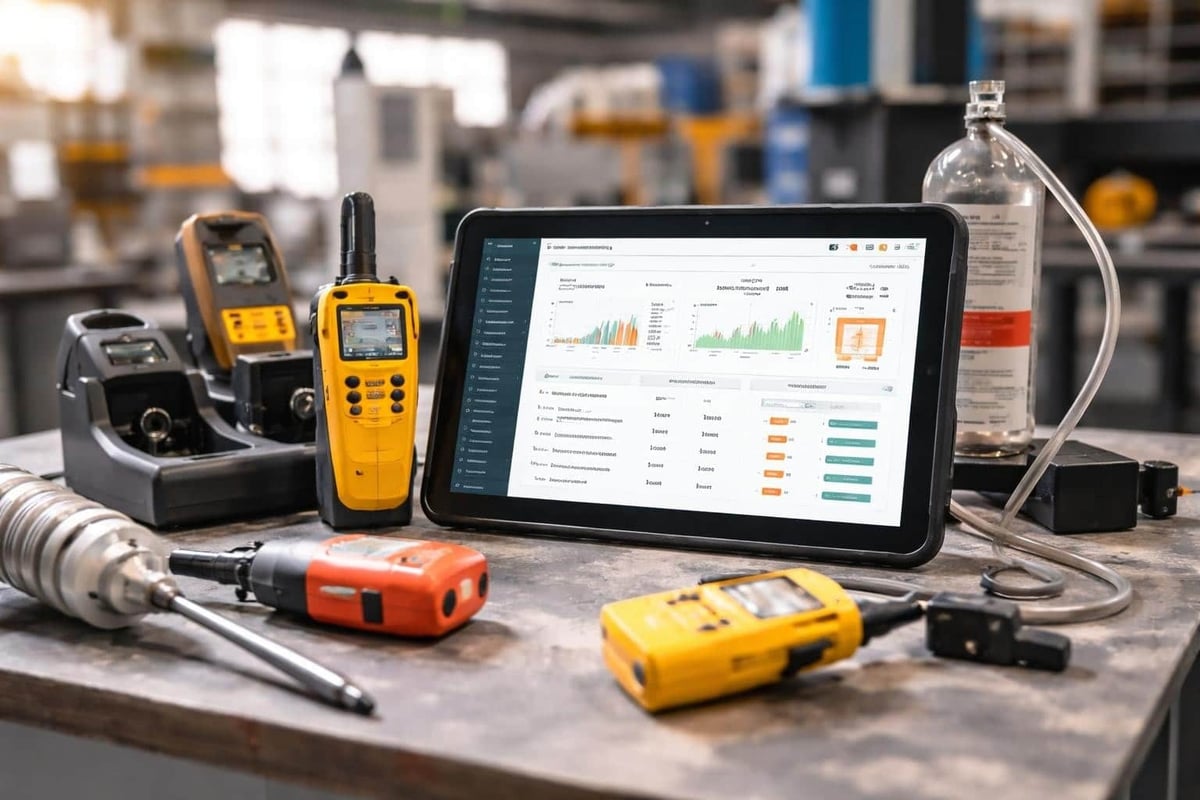
Medical equipment maintenance becomes far more effective when organizations implement structured asset management that creates unique identities for each device, tracks location and usage, maintains service histories, and monitors warranty status. The Brytend Service Module provides exactly this capability, allowing facilities to register serialized inventory, automate service reminders, and generate comprehensive service certificates that document maintenance activities throughout each asset's lifecycle.
Preventive Maintenance Program Design Mistakes
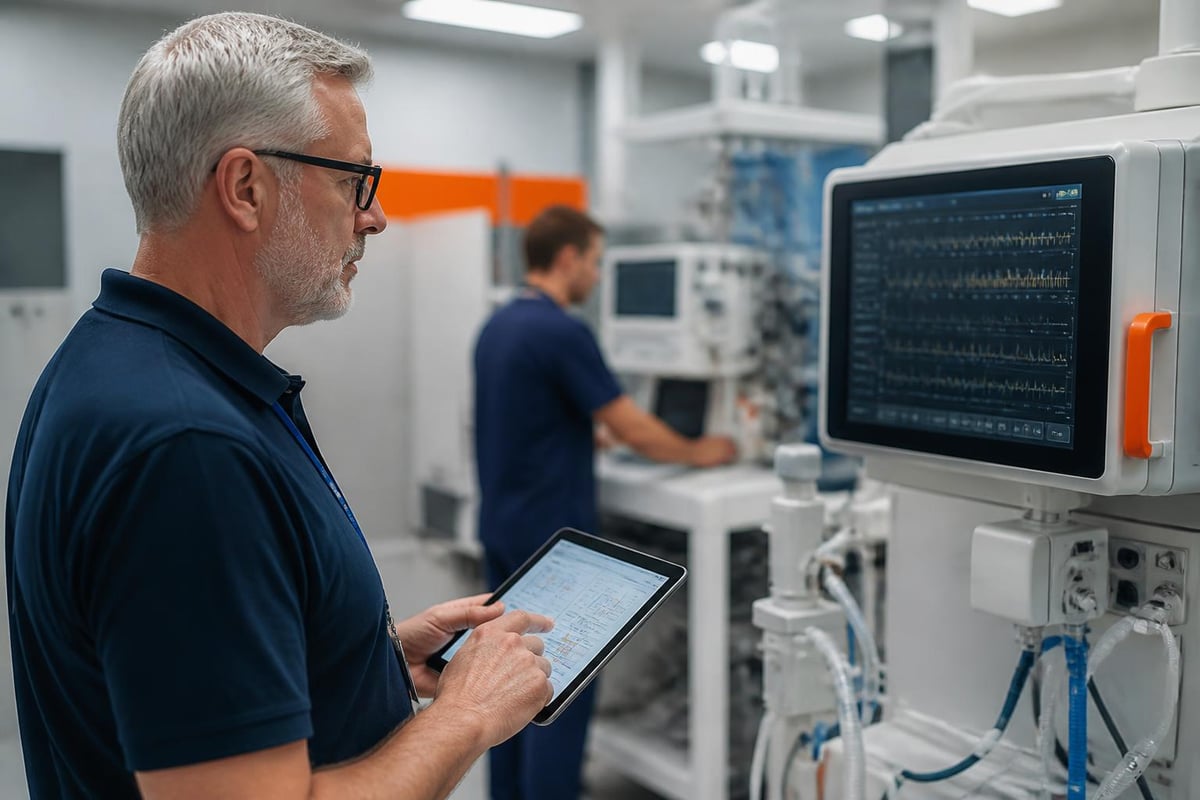
Establishing preventive maintenance schedules sounds straightforward, but implementation often reveals critical design flaws. Many programs base maintenance frequencies solely on manufacturer recommendations without considering actual usage intensity, environmental conditions, or institutional experience with specific device types. An imaging system in a high-volume emergency department requires different maintenance intervals than an identical model in a low-volume clinic, yet standardized schedules treat them identically.
The tendency toward one-size-fits-all approaches creates inefficiency and missed opportunities for optimization. Some equipment receives excessive maintenance that consumes technician time without corresponding safety or performance benefits. Other devices operate under conditions that accelerate wear, requiring more frequent attention than generic schedules provide. Without usage data and failure pattern analysis, programs cannot calibrate maintenance intensity appropriately.
Task definition within preventive maintenance protocols frequently lacks sufficient detail or specificity. Vague instructions like "inspect device" leave interpretation to individual technicians, creating inconsistent execution quality. Some technicians perform thorough multi-point inspections while others conduct cursory visual checks, both checking the same task completion box. This variability undermines the reliability of preventive maintenance as a risk mitigation strategy.
Best practices for preventive maintenance emphasize proactive scheduling, comprehensive staff training, and leveraging computerized maintenance management systems to optimize equipment performance. Yet many organizations struggle to translate these concepts into operational reality within their specific constraints and workflows.
Documentation Burdens That Slow Response Times
Paper-based maintenance records create friction at every step of the maintenance process. Technicians must physically retrieve equipment files before beginning work, document activities on paper forms, and return files to central storage locations. This administrative overhead extends the time required for each maintenance task while introducing transcription errors and lost documentation.
Digital documentation systems solve some problems while creating others when poorly designed. Technicians forced to navigate complex interfaces, complete redundant data fields, or wait for slow system responses may resort to workarounds that undermine data quality. If the documentation system feels like punishment rather than support, compliance suffers regardless of official policies.
The real value of maintenance documentation emerges through analysis of patterns, trends, and relationships across equipment populations and time periods. When documentation exists only as individual service records without analytical capabilities, organizations miss opportunities to identify recurring problems, predict failures, and optimize maintenance strategies. Data trapped in unusable formats provides no decision support despite the effort invested in collection.
Risk Stratification and Priority-Setting Challenges
Not all medical equipment carries equal patient safety risk or operational criticality. A broken waiting room television creates minor inconvenience while a malfunctioning ventilator threatens lives immediately. Yet many maintenance programs fail to systematically stratify equipment by risk and criticality, treating all devices with equal urgency and resource allocation.
Without explicit risk classification frameworks, maintenance priorities default to whoever complains loudest or which department wields the most political influence. This squeaky-wheel approach leaves high-risk equipment in critical areas potentially neglected while resources flow toward visible but lower-priority concerns. The methodology for risk assessment itself often lacks rigor, relying on subjective judgments rather than structured criteria considering patient impact, failure probability, and availability of backup systems.
Equipment criticality changes over time as clinical programs evolve, patient populations shift, and alternative technologies emerge. Static risk classifications become outdated, yet few organizations regularly review and update equipment categorization. A device classified as non-critical five years ago may now support essential services that would cease without it, but outdated risk ratings persist in maintenance management systems.
The equipment maintenance fact sheet provides frameworks for developing comprehensive policies that address risk-based prioritization alongside standard inspection protocols and safety procedures.
Training Deficits That Compromise Quality and Safety
Medical equipment maintenance requires specialized knowledge that extends beyond generic technical skills. Each device category presents unique maintenance requirements, failure modes, and safety considerations. Technicians need ongoing training to maintain competence across expanding equipment portfolios while keeping current with technology evolution and emerging best practices.
Many organizations underinvest in biomedical technician training, viewing it as discretionary expense rather than essential infrastructure. When training budgets face cuts, the immediate impact seems minimal because experienced technicians continue performing familiar tasks adequately. The degradation appears gradually as new equipment types arrive without proper training, troubleshooting takes longer, and subtle quality issues accumulate.
Clinical staff operating medical equipment also require training on basic maintenance responsibilities like cleaning protocols, user-level troubleshooting, and recognizing warning signs requiring professional attention. Common medical equipment maintenance tips emphasize creating equipment inventories and understanding device-specific needs, but this knowledge must reach frontline staff who interact with equipment daily. When nurses, therapists, and technologists lack this foundational understanding, they may operate equipment improperly, fail to report problems promptly, or attempt unauthorized repairs that create safety hazards.
Cross-training gaps leave departments vulnerable to knowledge loss when key personnel leave. If only one technician understands a critical system, that person's absence creates operational risk. Yet many maintenance departments operate with highly specialized individuals rather than ensuring multiple team members can service each equipment category.

Software System Integration Failures
Healthcare organizations typically operate multiple disconnected systems for asset management, work order tracking, inventory control, and clinical documentation. When these systems cannot exchange information, medical equipment maintenance suffers from fragmented workflows and duplicated data entry. Technicians waste time toggling between applications, searching for information scattered across databases, and manually reconciling discrepancies.
The lack of integration between maintenance management and clinical systems prevents important connections between equipment performance and patient outcomes. When an imaging system produces suboptimal images, does the problem stem from maintenance needs, operator technique, patient factors, or clinical interpretation? Without data linking maintenance histories to quality metrics and clinical results, these questions remain unanswered while problems persist.
Procurement and maintenance systems often exist in separate universes despite their obvious interdependence. Equipment purchases proceed without maintenance teams receiving specifications, warranty information, or vendor contact details. Biomedical departments learn about new equipment only when clinical staff request service, creating reactive scrambles to establish maintenance protocols, order spare parts, and arrange training.
Organizations seeking custom software development expertise to build integrated solutions that connect asset management, maintenance scheduling, compliance documentation, and clinical workflows can explore options with specialized providers. The team at Brytend develops tailored software systems that bridge organizational silos and support complex operational requirements across healthcare environments.
Vendor management adds another integration challenge when facilities maintain relationships with dozens of equipment manufacturers and service providers. Each vendor may use different communication methods, documentation formats, and response procedures. Coordinating warranty claims, service calls, and parts orders across this fragmented vendor landscape consumes administrative time while creating opportunities for important details to fall through cracks.
Data Analysis Gaps That Prevent Optimization
Medical equipment maintenance generates vast amounts of data through work orders, inspection records, repair histories, and parts inventories. This information holds tremendous potential for identifying improvement opportunities, predicting failures, and optimizing resource allocation. Yet most organizations barely scratch the surface of analytics capability, viewing maintenance data primarily as compliance documentation rather than strategic intelligence.
Simple questions like which equipment models require the most maintenance, what failure patterns emerge seasonally, or whether specific technicians achieve better outcomes remain unanswered. The data exists but lacks structure, accessibility, and analytical tools to transform raw records into actionable insights. Maintenance managers make decisions based on intuition and anecdotal experience rather than evidence-based analysis of their own operational data.
Predictive maintenance represents the frontier of equipment management, using historical patterns and real-time monitoring to forecast failures before they occur. Healthcare organizations with mature data analytics capabilities can schedule maintenance precisely when needed rather than following fixed intervals or waiting for breakdowns. This optimization reduces both excessive preventive maintenance and unexpected failures, but requires data infrastructure and analytical sophistication most facilities have not yet developed.
Total cost of ownership calculations should inform equipment purchasing decisions by considering not just acquisition price but lifetime maintenance expenses, reliability track records, and parts availability. Without standardized cost tracking and comparative analysis across equipment models, procurement teams lack the information needed to make financially optimal choices. Decisions default to initial purchase price while ignoring maintenance costs that may exceed the original investment over equipment lifespan.
Regulatory Compliance Monitoring and Documentation
Healthcare facilities must satisfy multiple overlapping regulatory frameworks governing medical equipment maintenance. Federal agencies, state health departments, accreditation bodies, and professional organizations each impose requirements with varying scopes and enforcement mechanisms. Navigating this complex regulatory landscape while maintaining consistent compliance across all equipment categories demands systematic approaches that many organizations struggle to implement.
The burden falls heaviest on facilities lacking centralized compliance monitoring systems. When maintenance documentation exists in departmental silos without enterprise visibility, nobody has complete oversight of compliance status across the organization. Gaps emerge in specific equipment categories, particular facilities within health systems, or during staff transitions when responsibilities shift.
Regulatory standards evolve continuously as medical technology advances and safety priorities shift. Equipment that met all requirements at installation may fall out of compliance years later when new standards take effect. Organizations need mechanisms for tracking regulatory changes, assessing impact on existing equipment portfolios, and implementing required updates to maintenance protocols and documentation practices. Many facilities remain reactive, learning about new requirements only through survey findings or incident investigations.
Swiss medical device maintenance regulations illustrate the detailed legal requirements and compliance obligations typical of healthcare equipment management, emphasizing proper maintenance practices and documentation standards.
The increasing emphasis on cybersecurity for connected medical devices adds new dimensions to maintenance responsibilities. Equipment software updates, network security patches, and vulnerability assessments now complement traditional mechanical and electrical maintenance activities. Biomedical engineering departments accustomed to hardware focus must develop software maintenance capabilities and coordinate with information technology teams on device cybersecurity.
Supply Chain Vulnerabilities in Parts and Service Access
Medical equipment maintenance depends on ready access to replacement parts, consumables, and specialized service expertise. Supply chain disruptions, vendor consolidation, and equipment obsolescence create vulnerabilities that compromise maintenance effectiveness and extend equipment downtime. Organizations with inadequate parts inventory management face delays while awaiting shipments for repairs that should take hours.
Balancing inventory investment against carrying costs and obsolescence risk challenges even sophisticated supply chain operations. Stocking parts for every possible failure across diverse equipment portfolios requires substantial capital and storage space. Yet running lean inventories means critical repairs wait for parts delivery while patients and clinical operations suffer. Determining optimal inventory levels requires failure rate data, supplier lead times, and criticality assessments that many organizations lack.
Equipment manufacturers discontinuing support for older models forces difficult decisions about continued use versus replacement. Perfectly functional devices become unsupportable when parts availability ends and vendor service contracts terminate. Organizations may continue operating these orphaned assets while accepting elevated failure risk and extended downtime, or incur capital expense for premature replacement. Neither option appeals, yet inadequate lifecycle planning leaves facilities facing these dilemmas regularly.
Third-party service providers and independent parts suppliers partially fill gaps left by original manufacturers, but introduce quality concerns and warranty complications. Non-genuine parts may not meet original specifications while unauthorized service providers might lack proper training and support infrastructure. Navigating these tradeoffs requires sophisticated vendor management and technical evaluation capabilities.
Creating Sustainable Improvement in Maintenance Operations
Transforming medical equipment maintenance from reactive firefighting to proactive optimization demands comprehensive changes spanning technology systems, organizational processes, staff capabilities, and leadership commitment. Incremental improvements help but ultimately prove insufficient without addressing root causes of persistent problems. Organizations need structured implementation roadmaps that sequence changes logically while building momentum through early successes.
Technology infrastructure provides the foundation for systematic maintenance management. Modern computerized maintenance management systems enable asset tracking, work order management, preventive maintenance scheduling, parts inventory control, and compliance documentation within integrated platforms. However, technology alone cannot fix broken processes or compensate for inadequate staffing. The most sophisticated software systems fail when implemented without corresponding process redesign and change management.
Process standardization across equipment categories and facility locations creates consistency that improves quality, simplifies training, and enables meaningful performance measurement. Detailed standard operating procedures for common maintenance tasks, clear escalation paths for complex problems, and structured handoff protocols between shifts all contribute to operational reliability. Many organizations operate with excessive variation in how technicians approach similar situations, leading to unpredictable outcomes and knowledge silos.
Leadership engagement signals organizational commitment to maintenance excellence while providing resources and removing obstacles. When executives treat maintenance as strategic priority rather than necessary overhead, funding flows more readily, staffing receives attention, and integration with clinical operations improves. Conversely, maintenance programs languish when leadership views them as purely technical functions disconnected from institutional mission and quality objectives.
Frequently Asked Questions
What determines how often specific medical equipment requires maintenance?
Maintenance frequency depends on manufacturer recommendations, actual usage intensity, environmental conditions, regulatory requirements, and institutional experience with failure patterns. High-volume equipment in demanding environments typically requires more frequent attention than lightly-used devices in controlled settings. Organizations should adjust generic schedules based on equipment-specific data showing actual reliability and usage patterns rather than blindly following manufacturer intervals developed for average conditions.
How do healthcare facilities track which equipment needs maintenance when devices move constantly between locations?
Modern asset tracking combines barcode or RFID technology with centralized databases that record equipment location changes as devices transfer between departments. Mobile applications allow staff to scan equipment during routine rounds, updating location data automatically. Some organizations implement real-time location systems using wireless sensors, though these require significant infrastructure investment. Without technological solutions, facilities resort to manual logs that quickly become outdated as equipment moves.
What qualifications should biomedical technicians possess to maintain increasingly complex medical equipment?
Entry-level biomedical technicians typically hold associate degrees in biomedical equipment technology or related technical fields, though some start with military training or equivalent experience. Manufacturers provide specialized training on specific equipment lines while professional certifications from organizations like the Association for the Advancement of Medical Instrumentation validate competency levels. The field increasingly requires understanding of software systems, networking concepts, and cybersecurity alongside traditional electronics and mechanical skills as medical devices become more digitally sophisticated.
How do organizations determine which equipment requires backup units to prevent service disruptions during maintenance?
Risk assessment frameworks evaluate patient impact if equipment becomes unavailable, considering factors like clinical criticality, failure probability, repair time expectations, and patient volume. Life-support devices and equipment supporting emergency services typically warrant redundancy while non-critical devices may operate without backups. Organizations analyze historical downtime data and clinical workflow dependencies to identify equipment categories where backup availability provides the most value relative to investment costs.
What documentation must healthcare facilities maintain to demonstrate regulatory compliance for medical equipment?
Comprehensive maintenance records include preventive maintenance completion logs, corrective repair histories, parts replacement documentation, calibration certificates, safety inspection results, and staff training records. Regulatory bodies expect evidence of systematic maintenance program implementation including written policies, scheduled task lists, and completed work orders demonstrating adherence to manufacturer requirements and applicable standards. Documentation should trace equipment from acquisition through disposal, creating complete lifecycle histories accessible during audits or incident investigations.
How can healthcare organizations justify increased maintenance budgets when financial pressures demand cost reduction?
Total cost of ownership analysis demonstrates how adequate maintenance investment reduces overall expenses through fewer emergency repairs, extended equipment lifespan, decreased downtime, and avoided regulatory penalties. Quantifying the revenue impact of equipment unavailability and patient safety implications of maintenance lapses helps frame maintenance as strategic investment rather than discretionary expense. Organizations can benchmark maintenance spending against peer institutions and industry standards to assess whether current funding levels create financial risk through deferred maintenance and accelerated equipment degradation.
What role does clinical staff play in medical equipment maintenance beyond using devices properly?
Clinical users provide frontline surveillance for equipment performance problems, reporting anomalies before they escalate into failures requiring extensive repairs. Proper cleaning and disinfection between patient uses by clinical staff prevents contamination and extends equipment life. Users conducting basic troubleshooting like checking power connections and replacing consumables before calling biomedical services reduce unnecessary service requests. Training clinical staff on equipment capabilities and limitations prevents misuse that accelerates wear or creates safety hazards requiring corrective maintenance.
Effective medical equipment maintenance protects patient safety while controlling operational costs, but requires systematic approaches addressing asset tracking, preventive scheduling, compliance documentation, and data analysis. Organizations struggling with fragmented systems, manual processes, or limited visibility face mounting risks from equipment failures and regulatory gaps. Brytend develops custom software solutions that integrate maintenance management across healthcare operations, providing the technology infrastructure needed for sustainable improvement in equipment reliability and organizational compliance.