

Healthcare facilities depend on the precision of diagnostic and therapeutic equipment to deliver safe, effective patient care. When a blood pressure monitor reads incorrectly, or an infusion pump delivers the wrong dosage, the consequences extend beyond regulatory citations. Patients suffer. Medical equipment calibration services represent the systematic verification and adjustment of instruments against known standards, ensuring accuracy throughout their operational life. Yet many healthcare organizations still manage calibration through fragmented spreadsheets, manual logs, and reactive scheduling, exposing themselves to preventable risks that compound over time.
The Financial Impact of Calibration Failures
Equipment drift occurs gradually, making it difficult to detect without systematic testing. An imaging device that shifts slightly out of specification might continue operating for months, generating false readings that lead to misdiagnosis, repeated tests, and treatment delays. The cost of a single missed calibration extends far beyond the service fee itself.
Consider a hospital laboratory managing hundreds of analyzers, centrifuges, and diagnostic instruments. Without centralized tracking, technicians rely on memory, paper schedules, or outdated spreadsheets to remember when each device requires service. Equipment gets missed. Calibration certificates expire. Regulatory inspectors arrive to find gaps in documentation that trigger citations, corrective action plans, and potential loss of accreditation.
The hidden expenses accumulate quickly. Rushed calibration services cost more than planned maintenance. Emergency instrument replacements strain capital budgets. Legal exposure from diagnostic errors creates liability risks that insurance policies may not fully cover. Staff spend hours searching for calibration records during audits instead of focusing on patient care. These inefficiencies represent preventable waste that drains resources from clinical programs.

Compliance Standards That Cannot Be Ignored
Healthcare facilities operate under multiple regulatory frameworks that mandate equipment accuracy. The Joint Commission requires documented calibration programs with defined frequencies based on manufacturer recommendations and usage patterns. The Clinical Laboratory Improvement Amendments establish specific calibration requirements for laboratory equipment that directly impacts test results. Medical device manufacturers must maintain Quality Management Systems that meet ISO 13485 standards, which include rigorous calibration protocols.
State health departments conduct unannounced inspections that scrutinize calibration records. Centers for Medicare and Medicaid Services reimbursement depends on compliance with safety standards. The Food and Drug Administration enforces 21 CFR Part 820 requirements for medical device manufacturers, which extend to end users in many scenarios. Each regulatory body maintains distinct documentation requirements, audit trails, and traceability standards.
Manual record keeping creates compliance vulnerabilities. Paper certificates get lost. Digital files scatter across shared drives without version control. Multiple staff members maintain separate tracking systems that contradict each other. When an inspector requests calibration history for a specific device, technicians scramble to compile records from various sources, revealing gaps and inconsistencies that trigger citations.
Beyond Basic Calibration Testing
Medical equipment calibration services encompass more than connecting a device to test equipment and generating a certificate. Comprehensive programs include environmental monitoring, since temperature and humidity affect instrument performance. Preventive maintenance identifies worn components before they cause failures. Software validation ensures that embedded algorithms continue operating correctly after updates.
Serialized asset management forms the foundation of effective calibration programs. Each piece of equipment requires a unique identifier linked to its complete service history, warranty information, and manufacturer specifications. This granular tracking enables technicians to analyze failure patterns, optimize calibration frequencies, and make data-driven decisions about equipment replacement.
| Calibration Component | Manual Process Risk | Automated Approach Benefit |
|---|---|---|
| Scheduling | Missed dates, reactive responses | Automated reminders, predictive planning |
| Documentation | Lost certificates, incomplete records | Centralized repository, version control |
| Traceability | Disconnected data sources | Linked asset history, audit trails |
| Compliance Reporting | Hours of manual compilation | Instant report generation |
| Trend Analysis | No visibility into patterns | Dashboards showing drift and failures |
The Brytend Service Module streamlines these complex workflows by creating a structured environment where serialized inventory tracking, automated service reminders, and digital certificate generation work together seamlessly. Healthcare facilities gain complete visibility into their calibration program, eliminating the scattered documentation and reactive scheduling that create compliance gaps and operational inefficiencies.
The Cost of Reactive Calibration Management
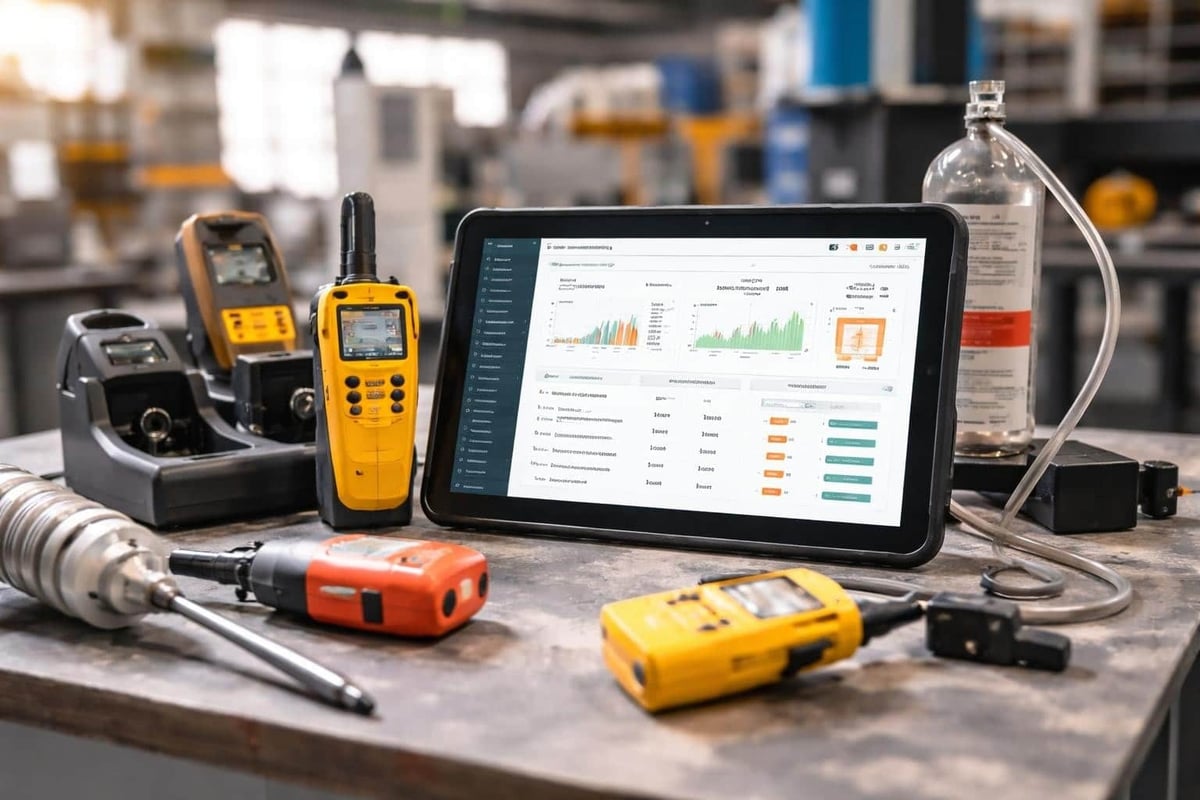
Many healthcare organizations treat calibration as a reactive expense rather than a strategic program. Equipment gets serviced only when it fails or when an inspection reveals overdue maintenance. This approach generates a cycle of crisis management that costs significantly more than planned maintenance programs.
Emergency calibration services command premium pricing. Vendors prioritize scheduled work over urgent requests, leading to longer turnaround times. While waiting for calibration, facilities must take equipment out of service, disrupting clinical workflows and forcing staff to share fewer devices among more patients. The operational impact ripples through departments.
Staff productivity suffers when technicians spend time tracking down calibration information instead of performing actual maintenance work. A biomedical engineering department managing 5,000 devices through spreadsheets might dedicate 20 hours per week just to administrative tasks like updating records, searching for certificates, and preparing compliance reports. That represents more than half a full-time employee whose skills could address higher-value technical challenges.
Patient care delays represent the most serious consequence of poor calibration management. When critical equipment sits idle waiting for service, clinical teams must postpone procedures, transfer patients to other facilities, or use backup devices that may not offer equivalent capabilities. These delays extend hospital stays, increase costs, and degrade the patient experience in ways that damage reputation and competitive positioning.
Building Traceable Calibration Programs
Medical device manufacturers and healthcare facilities must establish measurement traceability to national or international standards. This chain of comparisons links calibration measurements back to fundamental units maintained by organizations like the National Institute of Standards and Technology. Without documented traceability, calibration certificates lack credibility and fail to satisfy regulatory requirements.
Accredited calibration providers maintain their own equipment in accordance with ISO/IEC 17025 standards, which specify technical competence and management system requirements. These laboratories participate in proficiency testing programs that verify measurement accuracy through blind sample analysis. When selecting calibration service providers, healthcare facilities should verify accreditation scope, uncertainty calculations, and calibration intervals.
Internal calibration programs require similar rigor. Facilities that perform certain calibration activities in-house must document staff competency, maintain reference standards with valid calibration certificates, and establish environmental controls that prevent measurement errors. The administrative burden of managing an internal calibration program often exceeds expectations, leading many organizations to outsource specialized services while maintaining basic testing capabilities.
Technology Integration That Eliminates Manual Tracking
Healthcare facilities generate massive amounts of calibration data that remains underutilized without proper technology integration. Each service event produces technical specifications, pass/fail results, adjustment details, and technician observations. This information holds valuable insights about equipment performance, vendor reliability, and program effectiveness when analyzed systematically.
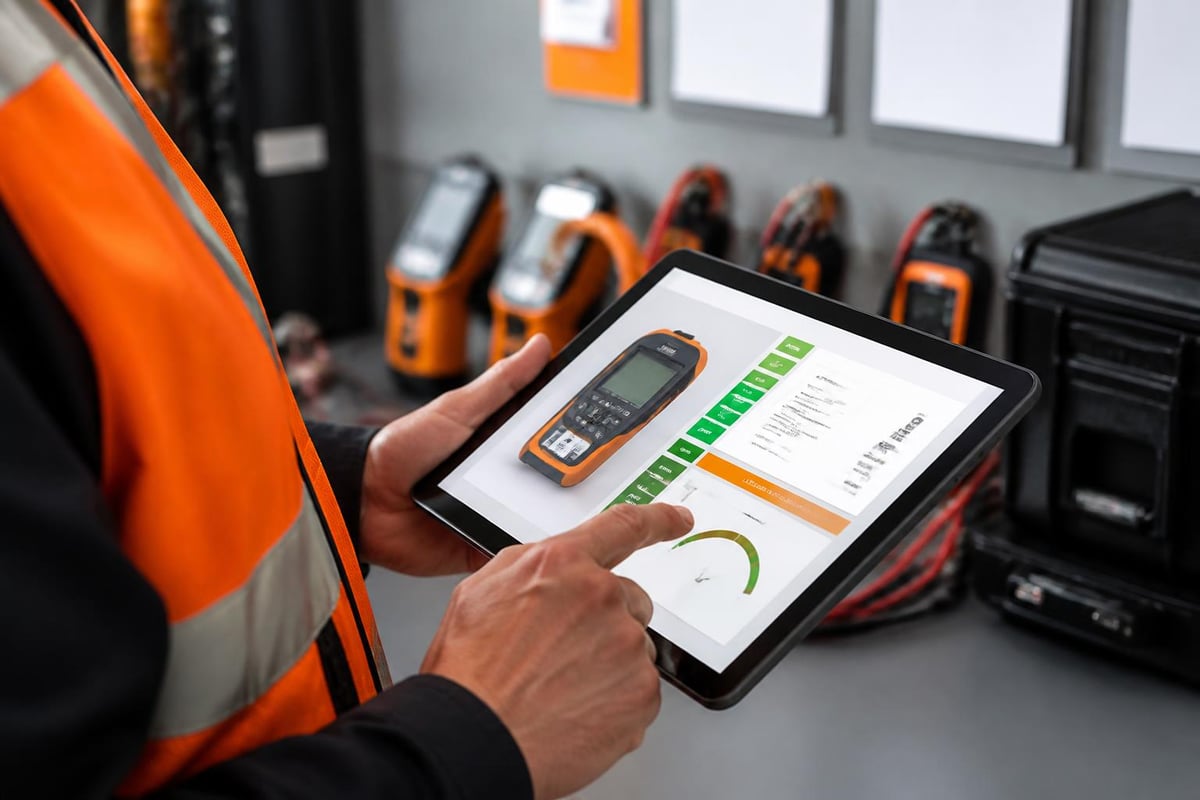
Custom software solutions transform calibration data from administrative burden into strategic asset. Automated systems track calibration due dates and generate work orders without manual intervention. Digital workflows guide technicians through standardized procedures, ensuring consistent documentation across all service events. Mobile applications enable field technicians to access equipment history, record measurements, and generate certificates on-site without returning to office computers.
Integration with existing systems eliminates duplicate data entry. When calibration software connects to enterprise asset management platforms, equipment information synchronizes automatically. Links to computerized maintenance management systems create unified service histories that include both preventive maintenance and calibration activities. Bi-directional interfaces with laboratory information systems ensure that test equipment calibration status remains current.
Dashboard reporting provides visibility that spreadsheets cannot match. Real-time compliance metrics show exactly how many devices require immediate attention versus those approaching due dates. Trend analysis reveals equipment that requires frequent adjustment, suggesting potential replacement needs. Cost tracking identifies vendors with high failure rates or excessive pricing. These insights enable continuous program improvement rather than static compliance.
Staff Training and Competency Documentation
Calibration quality depends on technician competency. Service providers must demonstrate that staff members understand measurement principles, equipment operation, and documentation requirements. Healthcare facilities should verify that external vendors maintain comprehensive training programs with documented competency assessments for each technician performing calibration work.
Internal biomedical engineering departments face similar obligations. Staff performing calibration activities need initial training on specific equipment types, ongoing education about regulatory changes, and periodic competency verification. Documentation must prove that individuals possess the knowledge and skills necessary for assigned tasks. Many organizations struggle to maintain these records alongside existing training requirements for clinical staff.
Succession planning becomes critical as experienced biomedical technicians retire. Without systematic knowledge transfer, institutional expertise about specific equipment quirks, calibration best practices, and troubleshooting techniques disappears. Digital systems that capture detailed service notes, adjustment procedures, and historical failure patterns preserve this knowledge for future staff members.
Vendor Management and Service Contracts
Healthcare facilities must ensure their calibration service providers meet rigorous quality standards including ISO 13485 compliance and adherence to industry-specific regulations. Vendor selection involves evaluating technical capabilities, turnaround times, pricing structures, and geographic coverage. Poor vendor management leads to delayed service, inconsistent quality, and compliance gaps that auditors readily identify.
Service contracts should specify calibration frequencies, performance standards, documentation deliverables, and response times. Clear contract language prevents disputes about scope and ensures both parties understand expectations. However, many facilities sign vendor agreements without adequate technical review, discovering only during audits that contracted services fail to meet regulatory requirements.
Multi-vendor environments create coordination challenges. Different service providers use incompatible documentation formats, making it difficult to compile unified compliance reports. Scheduling conflicts arise when multiple vendors need access to the same equipment. Quality varies across providers, with some delivering thorough analysis while others rush through procedures to maximize volume. Centralized vendor management through digital platforms brings consistency to these fragmented relationships.
Risk-Based Calibration Strategies
Not all medical equipment requires identical calibration attention. Healthcare organizations should implement risk-based approaches that allocate resources according to patient safety impact, regulatory requirements, and usage patterns. Critical care ventilators demand more frequent calibration than bedside scales. Laboratory analyzers running patient samples require different protocols than research instruments.
Risk assessment considers multiple factors beyond equipment classification. Devices used for life-threatening conditions carry higher priority than those supporting routine procedures. Equipment approaching end-of-life requires closer monitoring as component degradation accelerates. High-volume devices experience more wear, potentially necessitating more frequent calibration intervals. Environmental conditions like temperature extremes or vibration exposure affect measurement stability.
Documentation of risk-based calibration decisions protects organizations during regulatory inspections. Auditors want to see evidence that facilities analyzed risks systematically rather than making arbitrary choices about calibration frequencies. Written policies, risk matrices, and decision logs demonstrate thoughtful program design. Digital systems can encode risk-based rules that automatically adjust calibration schedules as equipment circumstances change.
The Evolution Toward Predictive Calibration
Traditional time-based calibration schedules service equipment at fixed intervals regardless of actual performance. Predictive approaches use historical data and real-time monitoring to optimize calibration timing. Equipment demonstrating stable performance might safely extend intervals, while devices showing drift patterns require more frequent attention. This shift from reactive and preventive models toward predictive maintenance represents the future of calibration program management.
Predictive calibration requires robust data collection and analysis capabilities. Systems must track not just whether equipment passed or failed calibration, but the magnitude of adjustments required, environmental conditions during testing, and usage metrics between service events. Machine learning algorithms can identify patterns that human analysis misses, forecasting calibration needs before equipment drifts out of specification.
The business case for predictive calibration extends beyond reduced service costs. Preventing equipment failures before they occur avoids clinical disruptions and maintains continuous patient care capability. Optimized calibration intervals reduce unnecessary testing while increasing focus on devices that genuinely require attention. Resource allocation improves as biomedical teams spend less time on routine tasks and more time on strategic initiatives.
Audit Preparation and Regulatory Readiness
Healthcare facilities face multiple types of calibration audits throughout each year. Internal quality audits verify program compliance with established policies. External regulatory inspections assess adherence to governmental and accreditation requirements. Medical device manufacturer audits evaluate Quality Management System effectiveness including calibration program controls. Each audit type demands different documentation emphases and preparation strategies.
Manual calibration tracking makes audit preparation a dreaded event requiring weeks of data compilation. Staff pull certificates from filing cabinets, reconcile spreadsheet versions, and create custom reports that match auditor requests. Missing documentation triggers urgent searches through email archives and vendor portals. The scramble to demonstrate compliance distracts from normal operations and still produces incomplete records that lead to findings.
Audit-ready systems maintain documentation in real-time rather than compiling it retrospectively. When inspectors request calibration records for specific device categories, facilities generate comprehensive reports instantly. Automated audit trails show who performed each calibration activity, when it occurred, and what changes were made to equipment or documentation. This transparency satisfies regulatory requirements while demonstrating program maturity.
How calibration schedules, staff competency records, and equipment traceability integrate to satisfy multiple regulatory bodies and accreditation standards
Digital Transformation of Service Documentation
Paper-based calibration certificates create storage challenges and accessibility limitations. Physical documents degrade over time, becoming illegible or damaged. Filing systems require dedicated space that many facilities cannot spare. Retrieving specific certificates from years of accumulated paperwork wastes valuable staff time during audits or troubleshooting activities.
Digital certificate management solves these practical problems while enabling advanced capabilities. Electronic certificates link directly to equipment records, creating complete service histories accessible with a single click. Full-text search finds specific calibration events instantly regardless of when they occurred. Version control tracks certificate revisions and ensures users always access current documentation. Cloud storage eliminates concerns about document loss due to fire, flood, or other disasters.
Standardized certificate formats improve consistency across service providers. Custom software solutions can require specific data fields that ensure calibration documentation includes all regulatory required elements. Automated validation checks flag incomplete or inconsistent information before certificates enter permanent records. This quality control prevents documentation deficiencies that emerge only during audits when correction becomes difficult.
Integration With Broader Equipment Management
Calibration represents one component of comprehensive equipment lifecycle management. Maintenance activities, usage tracking, incident reporting, and asset accounting all generate related information that should flow together seamlessly. Siloed systems force staff to enter duplicate information and prevent holistic analysis of equipment performance.
Custom software development enables integration across these traditionally separate functions. Equipment records become central hubs connecting calibration schedules, preventive maintenance tasks, repair histories, and utilization data. Service management modules track both calibration activities and general maintenance work through unified workflows. Financial systems receive asset information that supports accurate depreciation calculations and replacement planning.
This integration delivers strategic insights impossible with standalone calibration tracking. Managers can analyze total cost of ownership including purchase price, calibration expenses, maintenance costs, and downtime impact. Departments can compare equipment utilization against calibration frequency to identify underused devices that might support cost reduction. Trending analysis reveals whether specific manufacturers or device types require excessive calibration attention, informing future purchasing decisions.
Frequently Asked Questions
How often should medical equipment receive calibration services?
Calibration frequency depends on manufacturer recommendations, regulatory requirements, usage intensity, and historical performance data. Critical care equipment typically requires more frequent calibration than general-use devices. Organizations should document their methodology for establishing calibration intervals based on risk assessment rather than arbitrary schedules. Equipment demonstrating stable calibration history might justify extended intervals, while devices showing drift patterns need more frequent attention.
What documentation must healthcare facilities maintain for calibration compliance?
Complete calibration programs require equipment inventories with unique identifiers, manufacturer specifications, calibration procedures, service certificates showing traceability to national standards, staff competency records, and vendor qualification documentation. Audit trails must demonstrate when calibration occurred, who performed the work, what results were obtained, and what actions were taken for out-of-tolerance conditions. Retention periods vary by regulation but typically range from three to seven years.
Can healthcare facilities perform calibration internally or must they use external service providers?
Organizations may perform certain calibration activities in-house if they maintain appropriate reference standards, environmental controls, documented procedures, and trained staff. However, specialized equipment often requires capabilities that only accredited calibration laboratories possess. Many facilities adopt hybrid approaches, handling basic calibration tasks internally while outsourcing complex instrumentation to ISO/IEC 17025 accredited providers with demonstrated technical competency.
What happens when medical equipment fails calibration testing?
Out-of-tolerance conditions trigger defined response protocols. Technicians must document the as-found condition before making adjustments, investigate potential patient impact from inaccurate measurements, and notify appropriate clinical and quality personnel. Equipment may require removal from service until calibration brings it within specification. Some regulations mandate reporting significant calibration failures to regulatory bodies or initiating corrective and preventive action investigations to prevent recurrence.
How do calibration requirements differ between clinical and research equipment?
Clinical devices used for patient diagnosis or treatment face stricter calibration requirements under healthcare regulations and accreditation standards. Research equipment may follow institutional policies rather than external regulatory mandates, though grant funding often imposes calibration expectations. However, research facilities pursuing Good Laboratory Practice compliance or supporting clinical trials must maintain calibration programs approaching healthcare standards in rigor and documentation.
What role does environmental monitoring play in calibration program effectiveness?
Temperature, humidity, vibration, and electromagnetic interference affect measurement accuracy and instrument stability. Calibration performed under controlled environmental conditions may not reflect equipment performance in actual clinical environments. Comprehensive programs include environmental monitoring in equipment locations, especially for sensitive instruments like analytical balances, blood gas analyzers, and diagnostic imaging systems. Documentation should link environmental data to calibration events for trend analysis.
How can organizations demonstrate calibration program effectiveness during regulatory inspections?
Inspectors evaluate both program structure and execution evidence. Facilities should present written policies defining calibration scopes and frequencies, vendor qualification procedures, staff training requirements, and documentation standards. Performance metrics demonstrate program maturity such as on-time completion rates, out-of-tolerance frequencies, and corrective action effectiveness. Real-time access to complete calibration records through digital systems shows systematic rather than reactive program management, building inspector confidence in overall compliance.
Medical equipment calibration services protect patient safety while satisfying complex regulatory requirements that healthcare organizations cannot ignore. The transition from manual tracking systems to integrated digital platforms eliminates preventable compliance gaps, reduces operational costs, and provides visibility that enables continuous program improvement. Brytend develops custom software solutions that transform calibration management from administrative burden into strategic advantage, with ongoing support ensuring systems evolve alongside changing organizational needs and regulatory landscapes.