Healthcare facilities face mounting pressure to deliver exceptional patient care while managing increasingly complex medical technologies. Behind every successful diagnosis and treatment lies a critical yet often underestimated challenge: ensuring biomedical equipment operates safely and reliably. When maintenance programs fall short, the consequences ripple through entire organizations, affecting patient outcomes, regulatory compliance, and financial stability. The stakes have never been higher for healthcare administrators and clinical engineering teams who must balance operational demands with strict safety requirements.
The Hidden Costs of Reactive Maintenance Approaches
Many healthcare organizations operate under a dangerous misconception that biomedical equipment maintenance can be addressed reactively. This approach treats equipment failures as isolated incidents rather than symptoms of systemic problems. When a ventilator fails during a critical procedure or an imaging system goes offline during peak hours, the immediate financial impact extends far beyond repair costs.
Lost revenue from canceled procedures represents just the beginning. Patient diversions to competing facilities create lasting damage to institutional reputation and market share. Staff overtime expenses multiply as clinical teams scramble to accommodate rescheduled appointments. Insurance premiums increase following adverse events linked to equipment failures. These cascading costs often exceed the price of comprehensive preventive maintenance programs by orders of magnitude.
The regulatory exposure compounds these financial risks. Compliance with federal standards and state regulations requires documented maintenance schedules, calibration records, and safety testing results. Organizations that default to reactive approaches inevitably discover gaps in their documentation during audits or accidental events. The resulting citations, fines, and remediation requirements consume administrative resources and threaten accreditation status.
Human factors introduce additional vulnerabilities. Technicians working under reactive pressure make errors in diagnosis and repair. Rushed maintenance activities skip crucial safety checks. Documentation suffers when staff prioritize getting equipment back online over completing proper records. These shortcuts create liability exposures that emerge years later during litigation discovery processes.
Documentation Failures That Compromise Patient Safety
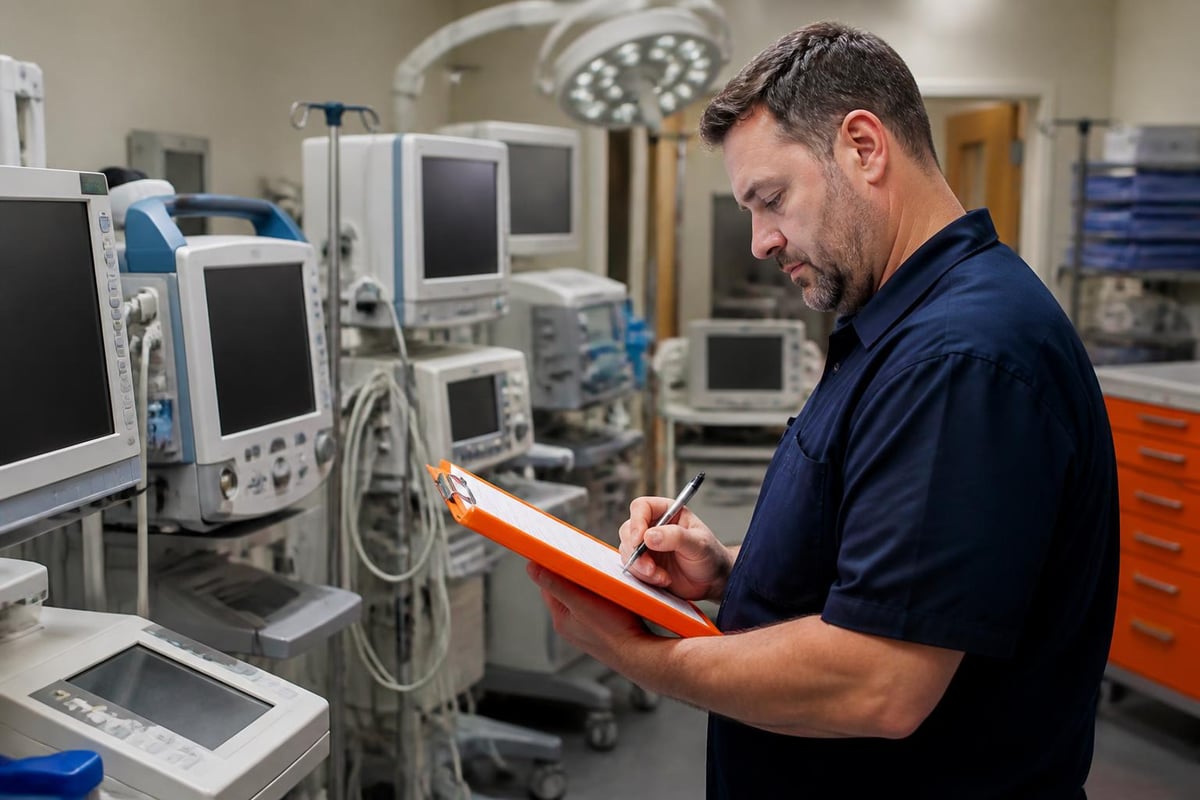
The absence of comprehensive maintenance records creates blind spots that endanger patients and staff. When technicians lack access to complete service histories, they cannot identify recurring problems or emerging failure patterns. Each maintenance event becomes isolated, losing valuable context about the equipment's operational trajectory.
Manual documentation systems introduce systematic errors. Handwritten logs suffer from illegibility, incomplete entries, and lost paperwork. Spreadsheets scattered across departmental servers lack version control and access governance. Email chains containing critical maintenance information disappear when employees leave. These fragmented records make it impossible to demonstrate due diligence when adverse events trigger investigations.
The problem intensifies with serialized inventory management. Healthcare facilities operate hundreds or thousands of devices across multiple locations. Without unique identifiers and centralized tracking, organizations lose visibility into which specific units have received maintenance, when service occurred, and what work was performed. This ambiguity becomes critical when manufacturers issue safety alerts or recall notices requiring identification of affected devices.
Calibration documentation presents particular challenges. Medical devices require periodic calibration to ensure measurement accuracy. Missing or incomplete calibration records mean potentially inaccurate diagnostic results that compromise clinical decisions. Proper documentation and calibration checks form the foundation of reliable biomedical device performance, yet many organizations struggle to maintain comprehensive records across their equipment inventory.
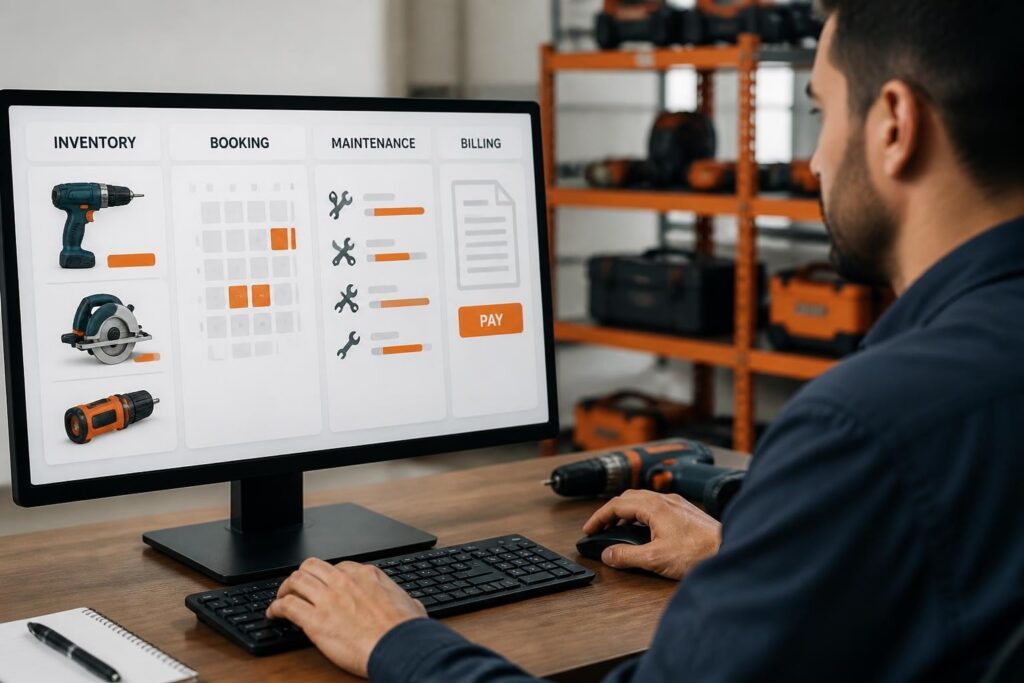
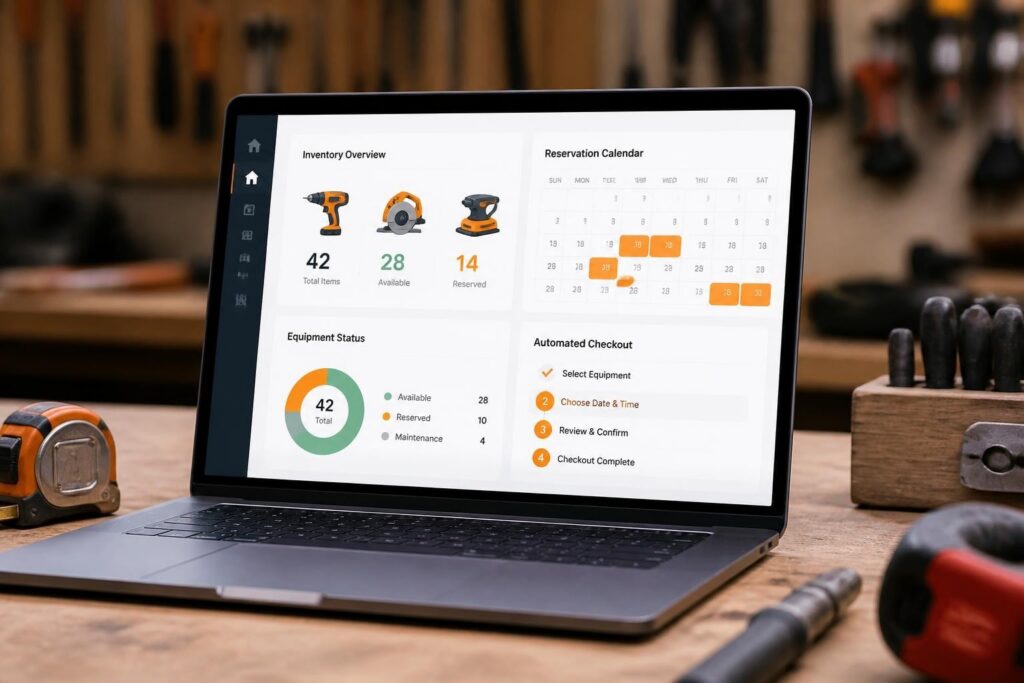
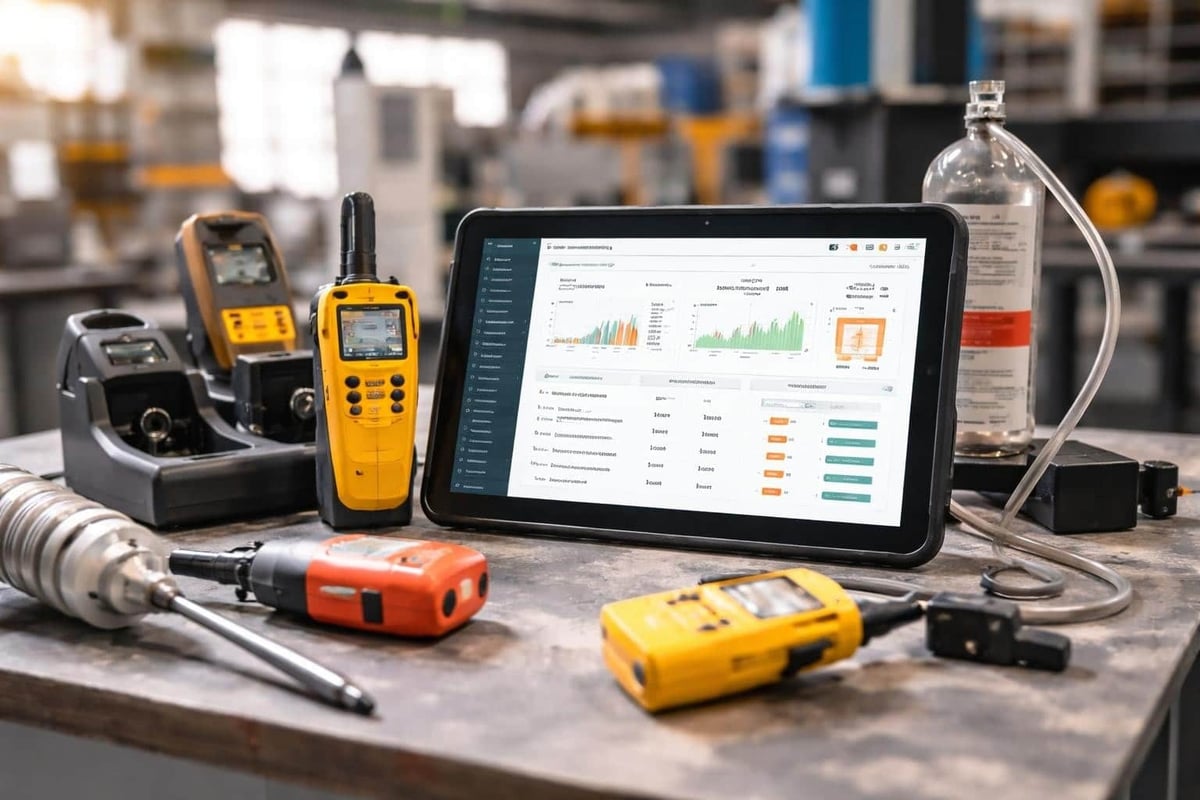
The Brytend Service Module addresses these documentation challenges by providing a structured framework for tracking serialized inventory, maintenance histories, and calibration schedules. Organizations can register each device with unique identifiers, automate service reminders, and generate compliance certificates that demonstrate regulatory adherence. This systematic approach eliminates the gaps and inconsistencies that plague manual documentation systems.
Workflow Inefficiencies That Drain Resources
Biomedical equipment maintenance workflows in many healthcare settings resemble archaeological expeditions rather than modern operational processes. Technicians spend hours locating equipment, deciphering incomplete service histories, and tracking down elusive documentation. This wasted time represents pure productivity loss that compounds across every maintenance cycle.
Communication breakdowns between clinical staff and engineering teams create additional friction. Nurses report equipment concerns through informal channels that fail to generate work orders. Maintenance requests languish in email inboxes without priority assignment or tracking. Clinical teams continue using problematic equipment because they assume someone else reported the issue. These gaps in communication extend downtime and increase safety risks.
Vendor coordination adds another layer of complexity. Healthcare facilities rely on external service providers for specialized equipment maintenance. Without centralized scheduling and documentation, organizations struggle to track vendor response times, validate completed work, or hold providers accountable for performance standards. Service level agreements become unenforceable without data demonstrating when problems were reported and when service occurred.
Inventory management failures compound these workflow problems. Organizations purchase duplicate parts because they lack visibility into existing stock. Critical replacement components remain unavailable because reorder triggers never activate. Equipment sits idle waiting for parts that exist elsewhere in the facility. These inventory inefficiencies create both direct costs and opportunity costs from extended downtime.

Compliance Risks in Increasingly Regulated Environments
Regulatory requirements for biomedical equipment maintenance continue expanding as medical technologies advance. Organizations must navigate manufacturer recommendations, industry standards, accreditation requirements, and government regulations simultaneously. Equipment maintenance policies and procedures require monthly inspections, annual electrical safety testing, and comprehensive documentation protocols that challenge even well-resourced facilities.
The shift toward value-based care intensifies compliance pressures. Payers and regulators increasingly tie reimbursement rates to quality metrics and patient safety outcomes. Equipment failures that contribute to adverse events now carry both regulatory consequences and financial penalties through reduced reimbursements. Organizations can no longer treat maintenance as a discretionary operational expense.
Accreditation bodies scrutinize biomedical equipment maintenance programs during surveys. Inspectors expect to see comprehensive preventive maintenance schedules, completed work orders, calibration records, and safety testing results. They interview staff about maintenance procedures and verify that actual practices align with documented policies. Deficiencies identified during surveys can delay accreditation decisions or trigger focused reassessments.
The lifecycle management of biomedical equipment introduces additional compliance considerations. Equipment lifecycle stages from acquisition through disposal each carry specific maintenance requirements and documentation obligations. Organizations must demonstrate that maintenance activities adapt as equipment ages and usage patterns change. This dynamic approach requires sophisticated tracking systems that manual processes cannot deliver.
State regulations add jurisdiction-specific requirements that vary significantly across geographic locations. Multi-site healthcare systems must navigate different testing frequencies, documentation standards, and reporting obligations depending on facility location. Maintaining compliance across these varied requirements demands centralized visibility and standardized processes that many organizations lack.
Preventive Maintenance Program Design Failures
Healthcare organizations frequently underestimate the complexity of designing effective preventive maintenance programs. Generic manufacturer recommendations provide starting points but rarely account for actual usage patterns, environmental conditions, or institutional risk tolerance. Programs that blindly follow manufacturer schedules waste resources on unnecessary maintenance while missing critical vulnerabilities specific to local conditions.
Task prioritization presents ongoing challenges. Not all maintenance activities carry equal weight in terms of patient safety and regulatory compliance. Organizations that treat every preventive maintenance task identically spread resources too thin and fail to focus attention where it matters most. Best practices for maintaining biomedical equipment emphasize risk-based approaches that allocate maintenance intensity according to device criticality and failure consequences.
Staff competency requirements introduce additional complexity. Different equipment types demand specialized knowledge and certifications. Technicians qualified to maintain imaging systems may lack expertise for laboratory analyzers or patient monitoring equipment. Organizations must match staff skills to maintenance requirements while managing training investments and workforce development. Similar challenges exist in other technical fields, such as console repair services, where specialized knowledge determines repair success rates.
Environmental factors influence maintenance needs in ways that generic programs overlook. Temperature fluctuations, humidity levels, dust exposure, and usage intensity all affect equipment reliability and maintenance frequency. Programs that ignore these contextual factors either over-maintain equipment in benign environments or under-maintain devices operating under stress. Both scenarios waste resources and compromise effectiveness.
Technology Integration Challenges in Legacy Systems
Healthcare organizations operate complex technology ecosystems where biomedical equipment maintenance systems must integrate with enterprise resource planning platforms, computerized maintenance management systems, and electronic health records. These integration requirements create significant challenges when legacy systems lack modern interfaces or standardized data formats.
Data silos prevent comprehensive analysis of maintenance trends and equipment performance. When maintenance records exist separately from inventory systems, financial platforms, and clinical documentation, organizations cannot connect equipment failures to patient outcomes or maintenance costs to operational budgets. This fragmentation obscures the true impact of maintenance programs and prevents data-driven optimization.
Manual data entry between systems introduces errors and delays. Technicians who complete maintenance activities must then transcribe information into multiple platforms to satisfy different departmental requirements. This redundant work consumes time, creates inconsistencies between systems, and increases the likelihood of documentation gaps. The inefficiency frustrates staff and degrades data quality across the organization.
Reporting capabilities suffer when maintenance data remains trapped in disconnected systems. Administrators need consolidated views of maintenance costs, equipment downtime, regulatory compliance status, and vendor performance. Legacy systems designed for operational tracking rarely provide the analytical tools required for strategic decision-making. Organizations resort to manual report compilation that consumes administrative resources and produces outdated information.
Mobile access limitations compound these integration challenges. Biomedical technicians work across facility campuses, requiring portable access to equipment histories, maintenance procedures, and documentation tools. Legacy systems tethered to desktop computers force technicians to travel between equipment locations and workstations, multiplying the time required for each maintenance activity. This inefficiency reduces the number of maintenance tasks staff can complete during shifts.
Staff Training Gaps That Undermine Program Effectiveness
Even well-designed biomedical equipment maintenance programs fail when staff lack proper training and competency verification. Healthcare organizations struggle to maintain training currency as equipment inventories evolve and new technologies enter service. The resulting knowledge gaps create safety risks and maintenance inefficiencies that persist until adverse events force remediation.
Manufacturer training programs provide essential device-specific knowledge but rarely address institutional policies, documentation requirements, or integration with existing workflows. Technicians who complete manufacturer certifications may understand equipment operation without knowing organizational expectations for maintenance scheduling, record-keeping, or communication protocols. This disconnect creates procedural inconsistencies across the technician workforce.
Cross-training challenges limit workforce flexibility. Organizations that train technicians on narrow equipment categories create coverage gaps when staff absences or demand surges strain capacity. Building broader competencies across the technician workforce requires sustained training investments that compete with operational pressures. Many organizations defer these investments until shortages create crisis conditions.
Documentation of training activities itself presents challenges. Organizations must track initial training completion, competency assessments, continuing education requirements, and certification renewals for each staff member across multiple equipment categories. Manual tracking systems using spreadsheets or paper files create the same documentation problems that plague equipment maintenance records. Gaps in training documentation become liabilities during regulatory surveys or litigation.
Knowledge transfer from experienced technicians to newer staff occurs informally in many organizations. When senior technicians retire or change employers, they take institutional knowledge about equipment quirks, facility-specific procedures, and problem-solving approaches. Organizations that fail to capture and systematize this knowledge suffer degraded maintenance effectiveness and longer problem resolution times.
Emerging Technologies and Artificial Intelligence Applications
The integration of artificial intelligence into biomedical equipment maintenance represents both opportunity and challenge. AI-powered diagnostic platforms can assist technicians in real-time troubleshooting and reduce equipment downtime, particularly in resource-constrained environments. However, implementing these technologies requires infrastructure investments, data quality improvements, and workflow redesigns that many organizations struggle to execute.
Predictive maintenance algorithms promise to shift organizations from calendar-based schedules to condition-based approaches that optimize maintenance timing. These systems analyze equipment performance data to identify degradation patterns before failures occur. The transition requires sensor infrastructure, data integration capabilities, and analytical expertise that extend beyond traditional biomedical engineering competencies.
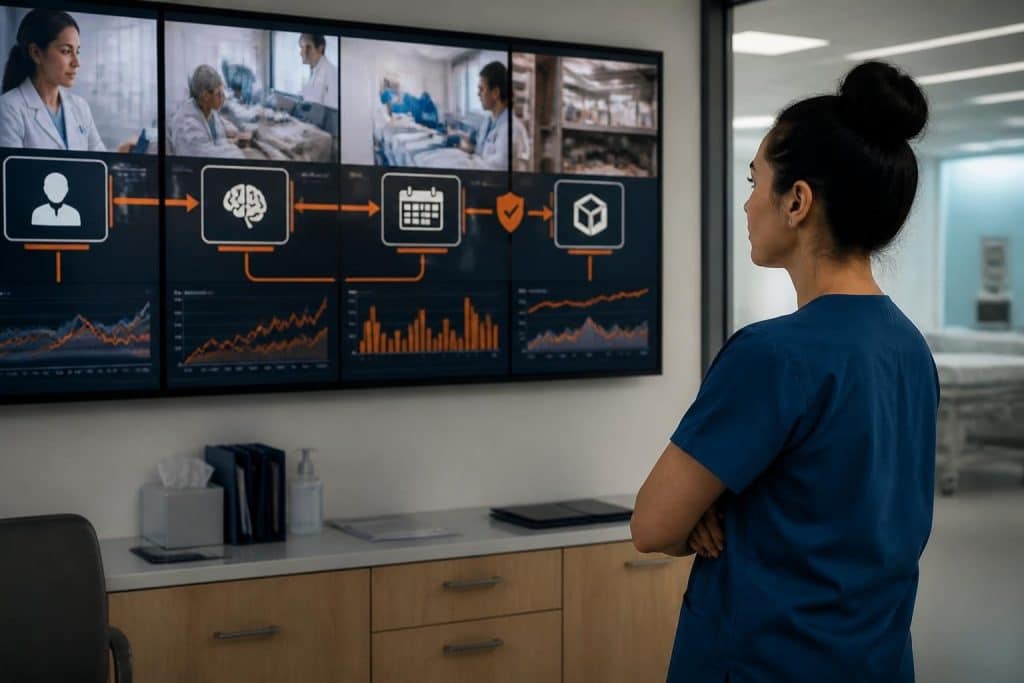
Remote monitoring technologies enable centralized oversight of distributed equipment fleets. Organizations can track equipment performance across multiple facilities, identify anomalies, and dispatch maintenance resources proactively. This visibility transforms maintenance from reactive fire-fighting to strategic resource allocation. Implementation challenges include network security concerns, bandwidth requirements, and vendor lock-in risks.
The proliferation of connected medical devices introduces cybersecurity considerations into maintenance workflows. Software updates, patch management, and security testing become essential maintenance activities alongside traditional calibration and safety checks. Organizations must coordinate these technical requirements with clinical operations while maintaining device availability for patient care.
Building Sustainable Maintenance Programs for Long-Term Success
Sustainable biomedical equipment maintenance programs require institutional commitment beyond clinical engineering departments. Executive leadership must recognize maintenance as strategic infrastructure rather than discretionary expense. This cultural shift enables resource allocation, policy development, and organizational alignment necessary for program success.
Standardization across facilities creates economies of scale and knowledge transfer opportunities. Multi-site healthcare systems that implement consistent maintenance platforms, procedures, and documentation standards achieve better outcomes than organizations where each facility operates independently. Standardization enables centralized reporting, benchmarking, and best practice sharing.
Vendor management strategies influence maintenance program effectiveness. Organizations must evaluate whether to rely on manufacturer service contracts, third-party providers, or in-house capabilities for different equipment categories. These decisions balance cost considerations, response time requirements, and competency availability. Strategic vendor relationships provide access to expertise while maintaining operational control.
Continuous improvement processes ensure maintenance programs evolve with changing technologies and organizational needs. Regular program assessments identify gaps, inefficiencies, and emerging risks before they create crises. Organizations that embed improvement cycles into maintenance operations achieve sustained performance gains and regulatory compliance.
Performance metrics drive accountability and resource allocation decisions. Beyond basic measures like mean time between failures, comprehensive programs track maintenance cost per device, regulatory compliance rates, technician productivity, and equipment availability. These metrics enable data-driven decisions about resource allocation, equipment replacement, and process improvements.
Frequently Asked Questions
How frequently should biomedical equipment undergo preventive maintenance?
Maintenance frequency depends on multiple factors including manufacturer recommendations, regulatory requirements, equipment criticality, and actual usage patterns. High-risk devices like ventilators and anesthesia machines typically require more frequent maintenance than lower-risk equipment. Organizations should implement risk-based approaches that allocate maintenance resources according to patient safety impact rather than applying uniform schedules across all devices. Comprehensive maintenance checklists help ensure critical tasks occur at appropriate intervals while documenting completion for compliance purposes.
What documentation must healthcare facilities maintain for regulatory compliance?
Regulatory bodies require comprehensive records including preventive maintenance schedules, completed work orders, calibration certificates, safety testing results, and staff training documentation. Records must demonstrate maintenance occurred according to manufacturer specifications and regulatory standards. Documentation should include unique device identifiers, service dates, technician names, work performed, parts replaced, and test results. Organizations must retain these records for periods specified by accreditation bodies and state regulations, often ranging from three to seven years depending on jurisdiction.
How can organizations reduce equipment downtime without increasing maintenance costs?
Shifting from reactive to preventive maintenance reduces emergency repairs and extends equipment lifespan, lowering total cost of ownership despite higher upfront maintenance investments. Implementing predictive maintenance technologies identifies problems before failures occur, enabling scheduled repairs during low-demand periods. Improving documentation systems reduces time technicians spend locating equipment histories and troubleshooting information. Cross-training staff creates workforce flexibility that prevents maintenance delays due to specialized skill shortages. Optimizing parts inventory ensures critical components remain available without excessive carrying costs.
What role does equipment lifecycle management play in maintenance strategies?
Equipment age and usage history significantly influence maintenance requirements and failure risk. Newer equipment typically requires less intensive maintenance while aging devices need more frequent attention and component replacements. Organizations must track where each device sits in its lifecycle to adjust maintenance intensity appropriately. Lifecycle management best practices include planning for equipment replacement before maintenance costs exceed replacement value. Proper lifecycle tracking prevents organizations from over-investing in maintenance for devices approaching end-of-life while ensuring adequate support for equipment in productive service.
How should healthcare facilities manage biomedical equipment maintenance during supply chain disruptions?
Supply chain challenges require proactive strategies including increased safety stock for critical replacement parts, diversified vendor relationships to reduce single-source dependencies, and enhanced preventive maintenance to extend component life. Organizations should identify equipment with the longest lead times for replacement parts and prioritize inventory investments accordingly. Developing relationships with multiple service providers creates backup options when primary vendors face shortages. Regular communication with vendors about anticipated shortages enables advance planning rather than reactive crisis management.
What competencies should biomedical technicians possess beyond technical skills?
Effective biomedical technicians need strong documentation abilities to maintain compliance records, communication skills to interact with clinical staff and vendors, and problem-solving capabilities that extend beyond routine maintenance procedures. Understanding regulatory requirements and quality management principles enables technicians to recognize compliance issues before they become citations. Project management skills help coordinate complex maintenance activities involving multiple stakeholders. Familiarity with medical equipment maintenance processes and safety protocols ensures technicians work within established frameworks rather than creating ad hoc approaches.
How can smaller healthcare facilities implement comprehensive maintenance programs with limited resources?
Resource constraints require strategic prioritization focused on high-risk equipment and regulatory requirements. Smaller facilities can leverage manufacturer service contracts for specialized equipment while building in-house capabilities for routine maintenance of simpler devices. Participating in group purchasing organizations provides access to favorable vendor pricing and shared service agreements. Regional collaborations with other facilities enable knowledge sharing and potentially shared staffing arrangements. Technology platforms designed for healthcare workflows can automate scheduling, documentation, and compliance tracking without requiring dedicated administrative staff. Organizations should focus on systematic approaches that prevent problems rather than expensive reactive repairs.
Effective biomedical equipment maintenance protects patient safety, ensures regulatory compliance, and optimizes operational efficiency through systematic approaches that address documentation, workflow coordination, and lifecycle management. Organizations that transition from reactive firefighting to strategic maintenance programs reduce costs while improving outcomes. Brytend develops custom software solutions that streamline maintenance workflows, automate compliance documentation, and provide the visibility healthcare organizations need to manage complex equipment inventories across their facilities.