Managing rental assets without specialized software creates cascading failures that compound over time. Every misplaced item, double-booking, or forgotten maintenance schedule represents lost revenue and potential liability. The difference between thriving rental operations and struggling ones often comes down to how effectively they track, maintain, and monetize their inventory. Yet many businesses continue relying on spreadsheets and manual processes until a major failure forces change.
The Financial Hemorrhage of Manual Asset Tracking
Manual tracking systems drain profitability in ways that remain invisible until you calculate the cumulative impact. When rental coordinators spend hours cross-referencing availability across multiple spreadsheets, they're not just wasting time-they're creating opportunities for error. Each mistake cascades into customer dissatisfaction, emergency replacements, and rushed logistics that erode margins.
The real cost manifests in ghost inventory: assets that exist physically but disappear from operational visibility. A construction equipment rental company might own fifty generators, but if staff can only confidently locate and verify the condition of forty-two, the remaining eight represent sunk capital generating zero return. This visibility gap typically ranges from 8% to 15% of total inventory value in businesses without robust asset rental software.
Double-bookings illustrate another critical failure mode. When two customers receive confirmation for the same excavator on overlapping dates, one relationship suffers irreparable damage. The rushed solution-sourcing replacement equipment from competitors-transforms a profitable rental into a loss leader. These incidents rarely occur in isolation; they signal systemic tracking failures that repeat until addressed through automation.

Maintenance Failures That Destroy Asset Value
Deferred or forgotten maintenance accelerates asset degradation faster than normal wear and tear. Without automated service reminders, rental equipment operates beyond recommended intervals until catastrophic failure occurs. A hydraulic system that should receive monthly inspections might run for six months before someone notices the degraded seals-by which point the repair cost has tripled.
The shift toward digital-first operations addresses this challenge by triggering maintenance alerts based on usage hours, calendar intervals, or performance metrics. However, many rental businesses still rely on clipboard inspections and paper logs that provide no proactive warnings. This reactive approach shortens asset lifespan by an average of 22% according to industry analysis, directly impacting replacement budgets and long-term profitability.
Warranty compliance adds another layer of complexity. Equipment manufacturers often void coverage when prescribed maintenance schedules aren't documented. A single undocumented service interval can transform a covered repair into a $15,000 expense. Asset rental software eliminates this risk through automatic logging and certificate generation, creating an auditable maintenance history that protects warranty claims.
Compliance Nightmares and Liability Exposure
Regulatory requirements for rental equipment vary by industry, region, and asset type. Heavy machinery faces strict safety inspections. Medical equipment requires sterilization documentation. Vehicle fleets must track licensing, insurance, and emission testing. Managing these obligations manually creates compliance gaps that regulatory audits expose with devastating consequences.
Consider a scaffolding rental operation that must certify each unit undergoes inspection before deployment. Paper-based systems depend entirely on human diligence-a supervisor who forgets to initial a checklist or misfiling a certification creates liability exposure. When an accident occurs and investigators request inspection records, missing documentation transforms a defensible incident into evidence of negligence. The resulting legal costs, settlements, and reputation damage dwarf any software investment.
Insurance premiums reflect this risk profile. Carriers scrutinize asset management practices during underwriting, adjusting rates based on documented maintenance protocols and incident history. Businesses demonstrating systematic tracking through dedicated asset rental software typically secure 12% to 18% lower premiums than comparable operations using manual methods. This differential represents thousands or tens of thousands in annual savings depending on fleet size.
Customer Experience Degradation
The rental transaction seems straightforward until you examine the friction points. Customers expect instant availability confirmation, transparent pricing, and reliable delivery windows. Manual systems introduce delays at every step. A quote request that should take minutes requires hours while staff manually checks availability, calculates rates, and compiles terms.
This sluggish response creates competitive disadvantages in markets where speed matters. According to the 2026 State of Rental Report, customer acquisition costs have risen significantly as businesses compete for market share, making retention crucial. Yet poor operational systems actively drive customers toward competitors who provide instant online booking and real-time inventory visibility.
Post-rental billing disputes consume disproportionate administrative resources. Without automated time tracking and damage documentation, resolving disagreements about rental duration or equipment condition devolves into he-said-she-said arguments. These conflicts poison customer relationships and often result in revenue write-offs to preserve goodwill. The pattern repeats until systematic documentation through specialized software eliminates ambiguity.

Integration Failures That Isolate Data
Modern rental operations generate data across multiple systems: accounting software tracks financials, CRM platforms manage customer relationships, and procurement tools handle vendor orders. When asset rental software doesn't integrate with these systems, staff manually re-enter data across platforms. This duplication introduces errors and creates information silos that prevent holistic business analysis.
Financial reporting suffers particularly acute impacts. Revenue recognition for rental businesses follows complex rules involving daily rates, damage charges, late fees, and multi-week contracts. Manual accounting reconciliation against rental activity becomes a month-end nightmare consuming days of accountant time. Discrepancies between systems require investigation, delaying financial close and reducing confidence in reported numbers.
The strategic cost manifests in missed insights. Equipment rental software trends emphasize predictive analytics and business intelligence capabilities that require integrated data. Without consolidated information, identifying which asset categories generate highest margins, which customers drive profitability, or which seasons demand inventory expansion becomes guesswork rather than data-driven decision making.
Brytend's custom software development capabilities address these integration challenges by building solutions that connect disparate systems into unified workflows. Rather than forcing businesses to adapt to rigid commercial software, custom development shapes technology around existing processes while introducing automation where manual steps create risk.

Scalability Walls and Growth Constraints
Manual systems that function adequately at twenty assets collapse under the weight of two hundred. The spreadsheet that one coordinator manages becomes unworkable when three staff members make simultaneous edits. Email threads tracking rental requests create confusion when daily volume exceeds a dozen transactions. These scalability failures force businesses to choose between growth and operational quality.
Hiring additional administrative staff seems like the obvious solution until you calculate the economics. Each coordinator added to manage manual processes costs $45,000 to $65,000 annually including benefits. Asset rental software representing a fraction of that cost can handle transaction volumes that would require multiple full-time employees. The return on investment becomes undeniable, yet businesses often delay the transition until crisis forces action.
Expansion into new markets or asset categories compounds these challenges. Opening a second location while relying on disconnected tracking systems creates coordination nightmares. Transferring equipment between branches requires phone calls, emails, and faith that someone updates all relevant records. The operational complexity of multi-location rental businesses without centralized asset rental software often exceeds management bandwidth, causing expansion initiatives to fail despite market opportunity.
Feature Requirements That Actually Matter
Not all asset rental software delivers equivalent value. Feature lists can distort decision-making when vendors emphasize bells and whistles over core functionality. The capabilities that truly impact operations fall into several critical categories that separate effective solutions from expensive distractions.
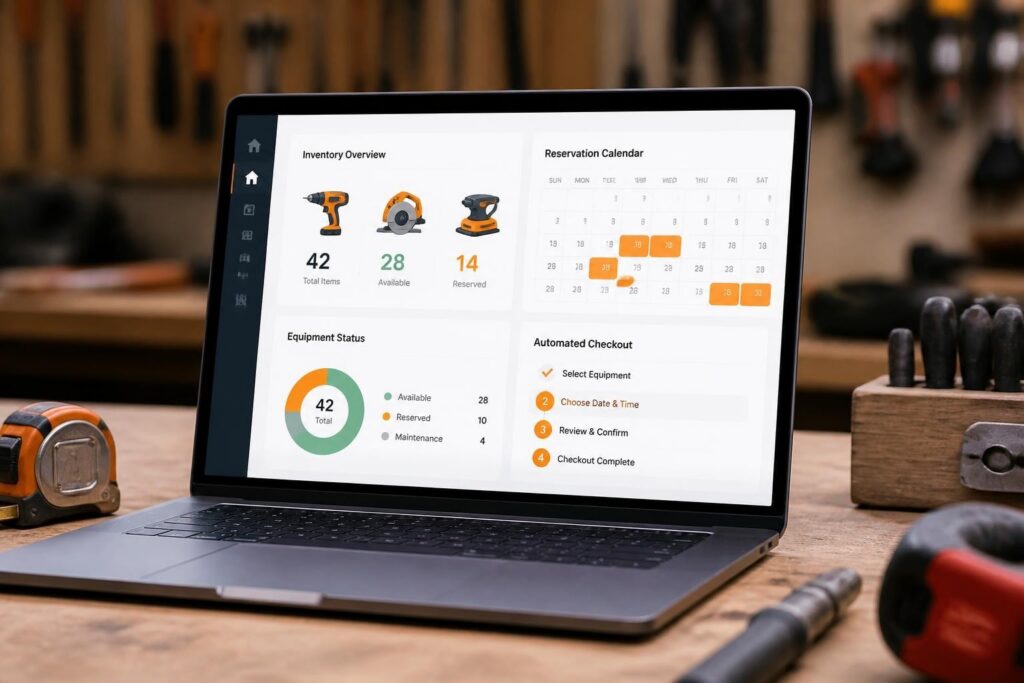
Real-time availability tracking forms the foundation. If the system can't instantly confirm whether a specific asset is available for requested dates, it fails the primary purpose. This requires not just calendar management but conflict detection that accounts for delivery time, maintenance schedules, and buffer periods between rentals.
Automated pricing calculations eliminate quote errors and ensure consistent margins. Manual pricing invites mistakes-transposing digits, forgetting seasonal adjustments, or applying outdated rates. Software should pull current pricing rules, apply duration discounts, and calculate taxes automatically, generating accurate quotes in seconds rather than error-prone minutes.
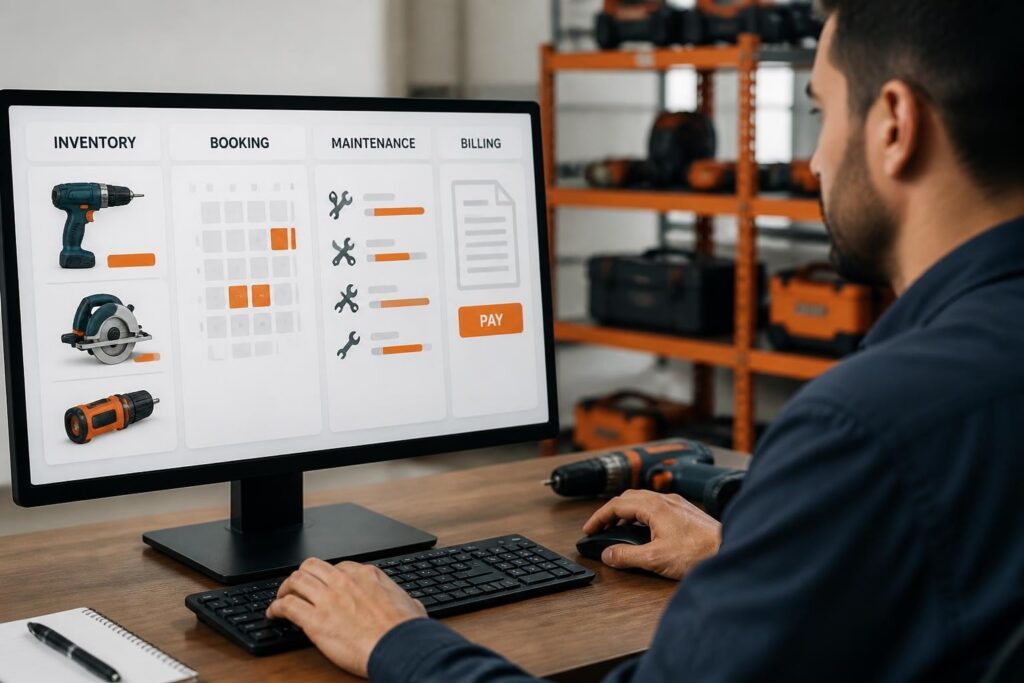
Maintenance scheduling and tracking protects asset value and ensures compliance. The system should trigger alerts based on configurable criteria: hours of operation, calendar intervals, or performance thresholds. Each maintenance event should generate documentation linking the specific asset, service performed, parts used, and technician responsible, creating an auditable trail.
Contract and billing automation reduces administrative burden while improving cash flow. Generating rental agreements, collecting deposits, processing payments, and issuing invoices manually wastes time and delays revenue recognition. Integrated billing tied to actual rental duration and documented damages eliminates disputes and accelerates payment cycles.
Reporting and analytics transform raw data into actionable insights. Beyond basic financial reports, effective asset rental software reveals utilization rates by asset category, identifies seasonal demand patterns, highlights maintenance cost trends, and projects replacement timing based on depreciation schedules. These insights drive strategic decisions about inventory investment and pricing optimization.
Mobile accessibility empowers field operations. Delivery drivers need to document asset condition and collect signatures at dropoff. Maintenance technicians require access to service histories and the ability to log completed work immediately. Restricting these functions to desktop computers creates bottlenecks and documentation gaps that undermine system benefits.
| Capability | Business Impact | Failure Cost |
|---|---|---|
| Real-time tracking | Eliminates double-bookings | Lost customers, emergency sourcing |
| Automated pricing | Consistent margins | Revenue leakage, quote errors |
| Maintenance alerts | Extended asset life | Premature failure, warranty voids |
| Contract automation | Faster billing cycles | Cash flow delays, disputes |
| Mobile access | Field documentation | Information gaps, manual re-entry |
Implementation Pitfalls That Sabotage Success
Selecting appropriate asset rental software represents only half the challenge. Implementation failures transform promising solutions into expensive disappointments. The most common mistake involves insufficient data migration planning. Legacy systems contain years of customer history, asset records, and transaction data that must transfer accurately. Rushing this process or accepting significant data loss undermines user adoption and eliminates historical insights that inform future decisions.
Training shortcuts create another failure mode. Staff accustomed to manual processes resist new systems when training consists of a single demo session and written documentation. Effective adoption requires hands-on practice, role-specific instruction, and ongoing support during the transition period. Skipping this investment results in workarounds that negate software benefits as employees revert to familiar spreadsheets and paper processes.
Customization paralysis delays deployment while teams endlessly debate configuration options. Every software platform offers settings, workflows, and integration points that require decisions. Perfectionism at this stage creates month-long delays while stakeholders debate minor details. A better approach involves deploying with sensible defaults, monitoring actual usage, and refining configuration based on real operational data rather than theoretical preferences.
The challenges in managing software assets apply equally to rental inventory. Without thoughtful taxonomy and naming conventions, asset databases devolve into chaos. Inconsistent naming-recording "Generator, 5KW, Honda" versus "Honda Generator 5000W" versus "5kW Gen – Honda"-defeats search functionality and corrupts reporting. Establishing clear standards before data migration prevents this degradation.

The Hidden Value of Purpose-Built Solutions
Commercial off-the-shelf asset rental software provides standardized functionality suitable for typical rental operations. However, businesses with unique workflows, specialized equipment, or industry-specific requirements often find these platforms constraining. The gap between software capabilities and operational reality forces workarounds that reintroduce manual processes and compromise system benefits.
Custom development addresses this mismatch by building solutions around actual business processes rather than forcing operations to conform to software assumptions. A medical equipment rental company with complex sterilization tracking requirements can incorporate these workflows directly into the system. A construction equipment provider managing subcontractor relationships and job-site delivery logistics can build these unique elements into the core platform.
The taxonomy of software development assets highlights the importance of aligning technological solutions with organizational context. Generic rental software treats all assets identically, but different equipment types demand different management approaches. Heavy machinery requires hour-meter tracking and preventive maintenance based on usage intensity. Electronics need serial number tracking and firmware version management. Event equipment focuses on aesthetic condition and accessory completeness. Purpose-built systems accommodate these variations naturally.
Integration capabilities represent another differentiator. While many commercial platforms offer API access, the quality and comprehensiveness of these interfaces vary dramatically. Some vendors treat integration as an afterthought, providing minimal documentation and limited endpoints. Custom development ensures the asset rental software connects seamlessly with existing business systems, creating unified workflows that eliminate manual data transfer and enable true operational visibility.
Strategic Considerations for Long-Term Success
Short-term thinking during software selection creates long-term regret. The cheapest option often carries hidden costs in limited scalability, poor support, or missing features that become critical as the business grows. Conversely, enterprise platforms designed for massive rental operations impose complexity and cost burdens inappropriate for mid-sized businesses. Matching solution sophistication to current and projected needs requires honest assessment of growth trajectories and operational complexity.
Vendor stability matters more than promotional discounts. Software represents a multi-year commitment involving data migration, training investment, and process redesign. Selecting a vendor with questionable financial health or limited development resources creates abandonment risk. The best asset management software comparisons emphasize vendor viability alongside feature sets when evaluating options.
Total cost of ownership extends beyond license fees. Implementation services, ongoing support, training resources, and integration development compound initial software costs. Understanding the complete financial picture prevents budget surprises and enables accurate ROI projections. Some apparently expensive platforms deliver lower total costs through superior documentation, active user communities, and inclusive support models.
Data ownership and portability deserve explicit clarification. Cloud-based asset rental software stores business data on vendor servers, raising questions about access rights, export capabilities, and what happens if the relationship terminates. Contracts should guarantee data export in standard formats and reasonable migration assistance. Proprietary data formats that lock businesses into specific platforms represent unacceptable vendor leverage.
Operational Transformation Through Technology
Asset rental software doesn't simply automate existing processes; it enables operational models impossible with manual systems. Dynamic pricing based on real-time demand and availability maximizes revenue during peak periods while maintaining utilization during slow seasons. Automated equipment repositioning between locations optimizes fleet distribution based on regional demand patterns. Predictive maintenance scheduling reduces downtime and extends asset life beyond traditional replacement cycles.
Customer self-service portals shift routine transactions from staff-mediated to automated, reducing administrative burden while improving customer experience. Online browsing, instant availability checking, and digital contract execution eliminate phone calls and email exchanges for straightforward rentals. This automation frees staff to focus on complex customer needs, consultative selling, and relationship development that drive long-term value.
The tools and methods for managing machine learning assets parallel rental inventory management in their emphasis on lifecycle tracking and version control. Just as software development teams must track model iterations and dataset versions, rental operations need complete asset histories showing configurations, modifications, and performance changes over time. This systematic approach transforms assets from generic inventory into well-understood resources with documented characteristics and predictable behavior.
Performance metrics become granular and actionable. Rather than reviewing monthly financial summaries, managers access real-time dashboards showing current utilization rates, maintenance backlogs, pending reservations, and revenue projections. Alert systems notify stakeholders when key indicators deviate from targets, enabling proactive intervention before small issues become operational crises.
Building Versus Buying: The Critical Decision
Every business faces the fundamental choice between commercial asset rental software and custom development. Commercial platforms offer faster deployment, established user bases, and proven functionality. Custom solutions provide perfect workflow alignment, proprietary competitive advantages, and freedom from vendor constraints. The optimal decision depends on specific circumstances and strategic priorities.
Businesses with standard rental operations and limited unique requirements typically find commercial software sufficient. The efficiency gains from established platforms outweigh any workflow compromises necessary to adopt standardized processes. Vendor-managed updates, security patches, and feature enhancements reduce technical burden on internal teams.
Organizations with complex operations, specialized equipment, or proprietary processes benefit from custom development. The investment in purpose-built software pays returns through competitive differentiation, operational efficiency, and strategic flexibility. Custom solutions evolve with the business rather than forcing periodic migrations between commercial platforms as requirements outgrow existing systems.
Hybrid approaches combine commercial platforms for standard functionality with custom extensions addressing unique requirements. This strategy leverages vendor-maintained core capabilities while incorporating differentiating features through targeted development. Success requires platforms with robust APIs and extension frameworks that support customization without compromising upgradability.
The critical reflection on software engineering assets emphasizes that all software solutions degrade over time without active maintenance and evolution. Whether commercial or custom, asset rental software requires ongoing investment to maintain relevance as business requirements, technologies, and market conditions change. This reality should inform total cost projections and vendor selection criteria.
Frequently Asked Questions
How quickly can a business implement asset rental software and see returns?
Implementation timelines vary dramatically based on data complexity, customization requirements, and staff readiness. Basic deployments with clean data and minimal configuration can go live within four to six weeks, though comprehensive training and optimization typically extend to three months. Return on investment manifests immediately through eliminated double-bookings and faster quote generation, but full benefits accrue over six to twelve months as workflows stabilize and staff proficiency increases. Rushing implementation to accelerate returns often backfires through poor data quality and inadequate training that undermine adoption.
What happens to rental operations if the software system fails or becomes unavailable?
System outages create operational paralysis for businesses fully dependent on asset rental software without contingency planning. Cloud-based platforms typically offer 99.9% uptime guarantees, but internet connectivity failures can still block access. Comprehensive disaster recovery requires offline access to critical data like current rental status and customer contact information, documented manual procedures for emergency operations, and rapid vendor response protocols. Some businesses maintain parallel tracking during initial months after implementation to ensure continuity if problems emerge, gradually phasing out redundant systems as confidence builds.
How does asset rental software handle unique equipment specifications and varying rental terms?
Sophisticated platforms accommodate extensive asset attributes beyond basic identification and availability. Custom fields capture equipment-specific data like load capacity, power requirements, dimensions, and technical specifications that inform customer selection. Flexible pricing engines support varied rate structures including hourly, daily, weekly, and monthly terms with quantity discounts, seasonal adjustments, and customer-specific contracts. However, extremely unusual equipment types or Byzantine pricing logic may exceed standard platform capabilities, requiring custom development or workarounds that reintroduce complexity.
Can small rental businesses justify the investment in specialized software?
Scale considerations affect cost-benefit analysis, but even small operations suffer from manual tracking failures. A ten-asset rental business losing one item to poor visibility sacrifices 10% of inventory capacity. Double-booking two customers costs more in relationship damage than software expenses. The decision threshold involves transaction volume and complexity rather than absolute size. Businesses processing fewer than twenty rentals monthly with simple equipment might reasonably continue manual methods, but higher volumes or valuable assets make software investment compelling regardless of overall business size.
What integration capabilities should businesses prioritize when evaluating asset rental software?
Accounting system integration delivers the highest immediate value by eliminating manual financial data entry and enabling accurate revenue recognition. Customer relationship management connectivity prevents duplicate data entry and provides rental history visibility during sales conversations. Payment processing integration accelerates cash collection and reduces administrative burden. Secondary integrations with procurement systems, maintenance management platforms, and business intelligence tools add incremental value but shouldn't overshadow core functionality. Businesses should verify integration quality through technical documentation review and reference customer conversations rather than relying on vendor feature checklists.
How do businesses handle the transition from manual processes to asset rental software without operational disruption?
Parallel operation during transition periods provides safety nets while introducing complexity and additional work. Most businesses adopt phased approaches, migrating asset categories or business units incrementally rather than full cutover. Starting with new assets or low-value equipment limits risk while building staff competency. Scheduling implementation during slow seasons reduces pressure and allows time for problem resolution. Comprehensive staff involvement in planning and testing builds ownership and surfaces workflow issues before they impact customers. Despite careful planning, some disruption proves inevitable; realistic expectations and executive commitment to working through challenges prevent premature abandonment.
What ongoing costs and commitments should businesses expect beyond initial software purchase?
Subscription-based pricing models shift software from capital expense to operating cost, with monthly or annual fees replacing upfront licenses. These recurring charges typically include hosting, security updates, and basic support, but premium assistance, customization, and integration development incur additional fees. Staff training represents ongoing investment as employee turnover requires new hire onboarding and feature updates demand refresher sessions. Data storage costs may increase with transaction volume and retention requirements. Realistic budgets allocate 15% to 25% of initial implementation costs annually for maintenance, support, and continuous improvement activities that maximize system value over time.
Asset rental software transforms rental operations from reactive chaos into proactive management, eliminating the hidden costs of manual tracking while protecting revenue and reducing liability. The risks of continuing with spreadsheets and paper systems compound over time, creating competitive disadvantages that become increasingly difficult to overcome. Whether your organization needs a comprehensive platform or targeted capabilities, Brytend develops custom software solutions that align perfectly with your operational requirements and growth objectives, delivering the automation and visibility essential for sustainable rental business success.