The rental industry operates on razor-thin margins where a single double-booking can trigger a cascade of customer dissatisfaction, refunds, and reputation damage that takes months to repair. Manual spreadsheets, disconnected calendars, and phone-based reservations create an environment where human error isn't just possible but inevitable. Rental booking software emerged as a solution to these operational vulnerabilities, yet many businesses still underestimate the financial hemorrhaging that occurs when they delay digitization. The difference between businesses that thrive and those that struggle often comes down to whether they've eliminated the administrative chaos that characterizes traditional rental management.
The Hidden Financial Drain of Manual Booking Systems
Every business that manages rentals without dedicated software experiences revenue leakage they often can't quantify. When staff members manually update availability across multiple platforms, the lag between booking and inventory updates creates windows where duplicate reservations become possible. This isn't a hypothetical risk but a mathematical certainty over sufficient time periods.
The shift toward digital-first operations in rental businesses reflects an industry-wide recognition that manual processes cannot scale without proportional increases in errors. A property management company handling fifty vacation rentals might employ three administrative staff members whose primary function involves coordinating calendars, confirming bookings, and preventing conflicts. That same workload, when processed through rental booking software, requires a fraction of the labor while delivering superior accuracy.
Consider the cascading costs when a double-booking occurs. The immediate expense includes refunding one party, potentially at full price even if cancellation policies wouldn't normally allow it. Then comes the scramble to find alternative accommodations, which often means paying competitor rates to house the displaced customer. The relationship damage extends beyond that single transaction because disappointed customers share negative experiences at higher rates than satisfied ones share positive feedback.
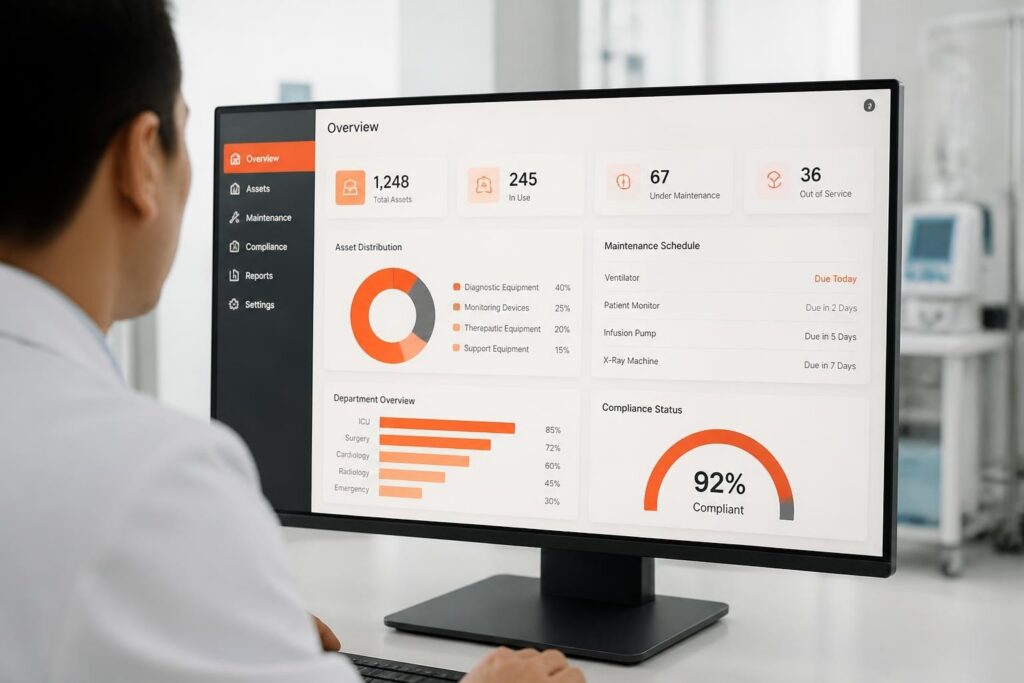
Beyond double-bookings, manual systems suffer from optimization failures that rental booking software addresses through data visibility. Equipment sitting idle represents sunk costs that manual tracking struggles to surface. Without real-time dashboards showing utilization rates across inventory categories, rental businesses make purchasing decisions based on intuition rather than evidence. They buy additional equipment when they actually need better distribution of existing assets.
Compliance Vulnerabilities That Manual Processes Cannot Address
Rental businesses face increasing regulatory scrutiny around data protection, financial reporting, and contractual documentation. Manual systems create compliance gaps that expose businesses to penalties, legal challenges, and audit failures. When rental agreements exist as paper documents or scattered digital files, reconstructing transaction histories becomes nearly impossible.
Rental booking software creates automatic audit trails that document every modification, cancellation, and payment associated with each reservation. This capability transforms compliance from a reactive scramble into a proactive defense. When regulators request transaction records, businesses using comprehensive software can generate reports within minutes rather than spending days piecing together fragmented information.
The financial services component represents another area where manual processes introduce risk. Payment processing without integrated software means staff members manually reconcile transactions, creating opportunities for arithmetic errors, misapplied payments, and undetected fraud. Rental booking software typically includes payment gateway integration that automatically matches payments to reservations, flags discrepancies, and maintains clean financial records that accountants can trust.
Tax compliance presents particular challenges for vacation rental operators who must navigate occupancy taxes, tourism levies, and jurisdiction-specific regulations. Manual calculation of these obligations creates exposure to underpayment penalties or overpayment that damages profitability. Sophisticated rental booking software incorporates tax rate tables that automatically apply correct charges based on property location and rental duration.
Integration Ecosystems That Transform Operational Efficiency
Modern rental businesses don't operate in isolation but as nodes within larger ecosystems of service providers, marketing channels, and customer touchpoints. Rental booking software serves as the central nervous system connecting these disparate elements into coherent workflows. Without this integration capability, businesses manually transfer data between systems, introducing errors at each handoff point.
Channel management represents one of the most valuable integration categories. Vacation rental properties listed on multiple platforms like Airbnb, VRBO, and Booking.com face constant synchronization challenges when relying on manual updates. A booking received through one channel must immediately block availability across all other channels, yet manual updates introduce delays that create double-booking windows. Rental booking software maintains real-time synchronization across channels, eliminating this exposure.
The importance of comprehensive reservation systems for professional management companies extends beyond simple availability tracking to encompass dynamic pricing, review management, and automated guest communication. These interconnected functions amplify each other's value when unified within integrated software versus fragmented across separate tools.
Equipment rental operations benefit from integration between booking systems and maintenance scheduling. Heavy equipment requires regular service intervals that impact availability. Manual tracking of maintenance schedules versus rental commitments creates conflicts where promised equipment sits in the service bay rather than generating revenue. Rental booking software that incorporates maintenance calendars prevents these conflicts by blocking availability during scheduled service windows.
For businesses requiring detailed service tracking and equipment lifecycle management, specialized solutions like the Brytend Service Module offer structured frameworks for managing serialized inventory, automating service reminders, and maintaining comprehensive maintenance histories that protect asset value.
Real-Time Availability Management as Revenue Protection
The ability to display accurate, current availability across all booking channels represents fundamental risk mitigation that manual processes cannot achieve. Every minute that elapsed between a booking and availability updates across platforms represents exposure. During peak demand periods, this exposure multiplies as booking velocity increases.
Best practices for managing real-time equipment availability emphasize eliminating idle inventory and preventing double-bookings as parallel objectives. Rental booking software addresses both through centralized inventory management that updates instantaneously across all customer-facing touchpoints. When a customer books equipment through a website, that same inventory immediately disappears from availability calendars, staff booking interfaces, and third-party channel listings.
The operational rhythm of rental businesses creates predictable stress points where manual systems fail most frequently. Weekend bookings that arrive Friday evening might not get processed until Monday morning, creating a three-day window where inventory appears available when it's actually committed. Automated rental booking software processes reservations immediately, regardless of business hours, eliminating these dangerous gaps.
Seasonal demand fluctuations expose another weakness in manual management. During slow periods, businesses become complacent about rigorous availability tracking because conflicts seem unlikely. This laxity becomes institutionalized, then causes chaos when demand surges. Rental booking software maintains consistent processes regardless of volume, preventing the discipline erosion that undermines manual systems.
Dynamic pricing capabilities within rental booking software convert availability management from defensive to offensive strategy. Rather than simply preventing conflicts, sophisticated systems adjust pricing based on demand signals, competitive intelligence, and historical patterns. Equipment approaching full utilization triggers price increases that maximize revenue from constrained inventory. Conversely, underutilized assets trigger promotional pricing that stimulates demand.
Customer Experience Standards That Manual Systems Cannot Meet
Modern consumers expect instant confirmation, transparent pricing, and self-service capabilities that manual rental processes struggle to deliver. The friction between customer expectations and operational capabilities creates abandonment, negative reviews, and lost revenue. Rental booking software closes this expectation gap by automating the responsive, professional interactions that consumers now consider baseline requirements.
Instant booking confirmation represents a non-negotiable expectation that manual systems violate by design. When customers submit reservation requests that require staff review before confirmation, the uncertainty creates anxiety and opportunity for competitors to intercept the business. Research from vacation rental hosts prioritizing direct bookings demonstrates that properties offering immediate confirmation through their own websites reduce dependency on third-party platforms that charge substantial commissions.
Payment processing expectations have evolved beyond simple credit card acceptance to include digital wallets, installment payments, and cryptocurrency options. Manual payment handling cannot accommodate this diversity while maintaining security standards that protect customer data. Rental booking software integrates with payment processors that handle complex transaction types while maintaining PCI compliance that manual systems cannot achieve.
Communication automation transforms customer relationships from transactional to experiential. Pre-arrival messages with check-in instructions, mid-rental check-ins, and post-rental review requests create engagement touchpoints that manual processes forget during busy periods. Rental booking software triggers these communications automatically based on reservation timelines, ensuring consistent quality regardless of staff workload.
| Manual Booking Process | Rental Booking Software | Risk Differential |
|---|---|---|
| 24-48 hour confirmation delays | Instant automated confirmation | Lost bookings to faster competitors |
| Phone-hours-only availability | 24/7 self-service booking | After-hours revenue capture |
| Manual payment reconciliation | Automated payment matching | Accounting errors and disputes |
| Reactive customer communication | Triggered message workflows | Inconsistent guest experience |
| Staff-dependent accuracy | System-enforced validation | Human error elimination |
Scaling Limitations That Strangle Growth
Businesses that successfully grow their rental operations inevitably reach inflection points where manual processes collapse under volume. The transition from managing twenty units to fifty units doesn't represent linear complexity increase but exponential growth in coordination requirements. Rental booking software removes these scaling ceilings by maintaining consistent performance regardless of portfolio size.
Staff dependency represents the most dangerous scaling limitation. When institutional knowledge about inventory, customer preferences, and operational procedures resides in employee memory rather than systems, businesses face catastrophic vulnerability to turnover. A long-tenured employee departure can cripple operations for months while replacement staff learn through trial and error. Rental booking software captures operational knowledge within workflows and databases that survive personnel changes.
Multi-location operations expose additional vulnerabilities in manual systems. Coordinating inventory across properties, managing location-specific pricing and policies, and consolidating financial reporting become unmanageable without centralized software. Businesses attempting geographic expansion while relying on manual processes often discover that administrative overhead grows faster than revenue, destroying profitability.
The growth and direction of rental booking software reflects increasing sophistication as providers respond to market demands for features that address scaling challenges. Cloud-based architectures enable businesses to add locations, inventory categories, and user accounts without infrastructure investments that characterized previous generations of rental management systems.
Mobile-First Operations and Contactless Service Delivery
The pandemic accelerated trends toward contactless interactions that remain relevant beyond public health concerns. Customers now prefer self-service options that minimize face-to-face transactions, creating operational requirements that manual systems cannot satisfy. Rental booking software enables mobile-first experiences from initial browsing through final checkout.
Emerging trends in car rental mobile applications highlight capabilities like digital key access, mobile damage reporting, and in-app support that transform traditional rental workflows. While these specific features apply primarily to vehicle rentals, the underlying principle of mobile enablement extends across all rental categories. Equipment rental customers expect mobile booking, digital contracts, and photo-based condition documentation that smartphones facilitate.
Staff mobility represents the operational counterpart to customer-facing mobile experiences. Field technicians servicing equipment, property managers conducting inspections, and delivery drivers confirming dropoffs all benefit from mobile access to rental booking software. Real-time data synchronization between mobile devices and central systems ensures that field operations don't create the data lag that undermines accuracy.
Data Analytics That Reveal Hidden Operational Truths
Manual rental operations generate data but lack mechanisms to transform raw information into actionable intelligence. Rental booking software captures granular transaction details that, when aggregated and analyzed, reveal patterns invisible to day-to-day operations. These insights drive strategic decisions about inventory investment, pricing optimization, and market positioning.
Utilization analytics expose which inventory categories generate strong returns versus those consuming capital without proportional revenue. Manual systems might track that a particular equipment type rented fifteen times last month, but rental booking software calculates utilization percentages, revenue per available day, and seasonal demand patterns that inform purchasing decisions.
Customer segmentation through booking data reveals behavioral patterns that shape marketing strategy. Analysis might show that weekend bookings come primarily from local customers while weekday rentals skew toward regional business travelers. This intelligence enables targeted marketing campaigns with messaging and channels appropriate to each segment. Manual systems lack the data structure to support this analytical sophistication.
Pricing optimization through A/B testing represents advanced analytics that manual processes cannot approach. Rental booking software can systematically vary pricing across similar inventory or time periods, measure conversion impacts, and automatically adjust rates toward revenue-maximizing levels. This continuous optimization compounds small percentage improvements into substantial annual revenue increases.
Integration with Customer Relationship Management Systems
Rental transactions generate customer data that holds value beyond individual bookings when properly leveraged for relationship development. Manual systems treat each rental as an isolated event rather than an episode within an ongoing customer relationship. Rental booking software with CRM integration transforms transactional data into relationship intelligence.
Repeat customer identification enables loyalty programs, preferential pricing, and personalized communication that strengthen retention. When rental booking software feeds transaction history into CRM systems, businesses can segment their customer base by lifetime value, tailor outreach based on rental patterns, and identify customers at risk of attrition based on declining activity.
For organizations seeking to centralize customer interactions and automate relationship management across the entire customer lifecycle, solutions like Brytend CRM provide frameworks that extend beyond basic contact management to include AI-driven lead qualification and workflow automation tailored to specific business processes.
Inventory Management Beyond Simple Availability Tracking
Comprehensive rental booking software extends inventory management beyond availability calendars to encompass asset lifecycle tracking, depreciation monitoring, and replacement planning. Manual systems focus exclusively on whether items are available or rented, missing strategic inventory management that protects asset value.
Maintenance history tracking prevents the service lapses that lead to premature equipment failure. Each rental represents wear that accumulates toward maintenance thresholds. Rental booking software that tracks usage hours or rental cycles can trigger preventive maintenance before failures occur, protecting revenue streams and customer satisfaction.
Asset performance comparison identifies underperforming inventory that should be retired or redeployed. When certain equipment consistently generates lower utilization or higher maintenance costs than category averages, businesses face decisions about repositioning or disposal. Manual systems lack the comparative analytics that surface these optimization opportunities.
Theft and loss prevention through check-in/check-out workflows reduces inventory shrinkage that erodes profitability. Rental booking software that requires photographic documentation, customer signatures, and condition reports creates accountability that deters theft while providing evidence for insurance claims when losses occur.
The Technology Stack Revolution Reshaping Rental Operations
Modern rental businesses increasingly adopt sophisticated software ecosystems rather than isolated point solutions. Rental booking software serves as the foundation, but integrations with accounting systems, marketing automation, business intelligence tools, and operational dashboards create capabilities that exceed the sum of individual components.
The technological advancements in the short-term rental industry demonstrate how businesses combine multiple specialized tools into cohesive operational platforms. This approach requires rental booking software with robust API capabilities and integration marketplaces that simplify connections with complementary services.
Custom development represents the ultimate integration path for businesses with unique requirements that off-the-shelf solutions cannot address. Rental operations with specialized equipment, complex pricing models, or industry-specific compliance requirements often need tailored functionality. Working with experienced development teams like Brytend enables businesses to build custom rental booking software or extend commercial platforms with proprietary features that create competitive advantages.
Cloud infrastructure has transformed software deployment from capital-intensive projects requiring server investments into subscription services that scale with business needs. This shift democratizes access to enterprise-grade rental booking software previously available only to large organizations with substantial IT budgets.
Event and Specialty Rental Considerations
Event rental businesses face unique operational challenges that general-purpose rental booking software may not address adequately. The complexity of event packages combining multiple inventory categories, time-sensitive logistics, and venue coordination requirements demands specialized functionality.
Key trends in event rental software emphasize workflow automation that manages the orchestration complexity inherent in event services. From initial client consultation through equipment delivery, event setup, breakdown, and return, rental booking software must coordinate numerous interdependent activities while accommodating last-minute changes that characterize event planning.
Package pricing and customization capabilities enable event rental businesses to offer curated collections while maintaining flexibility for client modifications. Manual quoting processes for complex events consume substantial sales time while introducing pricing errors that erode margins. Rental booking software with package builders and dynamic pricing engines streamlines proposals while ensuring profitability.
Vendor and Supplier Integration for Rental Networks
Rental businesses increasingly participate in networks where inventory sharing, cross-referrals, and collaborative fulfillment extend effective capacity beyond owned assets. These arrangements require rental booking software capable of managing partner relationships, tracking third-party inventory, and coordinating split revenue.
Supplier integration enables businesses to offer broader selection without corresponding inventory investment. When customer requests exceed available inventory, rental booking software with supplier networks can automatically check partner availability, facilitate bookings, and manage commission splits. This capability transforms potential lost sales into revenue opportunities.
Quality control and reputation management become critical when fulfilling customer bookings through partner inventory. Rental booking software should track supplier performance metrics, customer feedback on third-party assets, and reliability indicators that inform future allocation decisions.
Reporting and Financial Management Integration
Rental businesses require financial visibility that connects operational activity to accounting systems without manual data transfer. Rental booking software with accounting integration automatically creates invoices, records payments, tracks receivables, and reconciles transactions with minimal human intervention.
Revenue recognition for rental businesses involves timing considerations that differ from traditional sales. Deposits, prepayments, partial refunds, and damage charges create accounting complexity that manual processes handle inconsistently. Rental booking software with proper financial controls ensures that revenue recognition aligns with accounting standards while maintaining audit-ready documentation.
Tax reporting complexity, particularly for businesses operating across multiple jurisdictions, demands automated calculation and documentation. Rental booking software should generate tax reports that accountants can use directly for filing without reconstruction or verification, saving professional fees while reducing audit risk.
Rental booking software represents far more than operational convenience but fundamental risk mitigation that protects revenue, ensures compliance, and enables sustainable growth. The hidden costs of manual processes compound daily through double-bookings, utilization inefficiencies, and customer experience failures that damage long-term profitability. Brytend specializes in developing custom software solutions that address the unique requirements of rental businesses, whether through purpose-built platforms or strategic integrations that unify existing systems into cohesive operational frameworks. Our team brings expertise across web development, mobile applications, and cloud computing to help rental businesses eliminate operational vulnerabilities while building technology foundations that scale with their ambitions.
Frequently Asked Questions
What are the primary risks of operating a rental business without dedicated booking software?
The most significant risk involves revenue loss through double-bookings that damage customer relationships and require expensive remediation. Beyond that immediate concern, businesses face systemic inefficiencies in inventory utilization where assets sit idle while potential customers seek alternatives. Compliance vulnerabilities emerge when transaction documentation, financial reporting, and contractual records exist in fragmented formats that cannot withstand regulatory scrutiny. Staff dependency creates institutional knowledge concentration that makes businesses vulnerable to turnover disruptions. Manual processes also prevent scaling because administrative overhead grows faster than revenue as rental portfolios expand. The cumulative effect of these risks is that businesses operating without rental booking software compete at structural disadvantages against digitized competitors who deliver faster confirmations, lower prices through operational efficiency, and superior customer experiences through automated engagement.
How does rental booking software prevent the double-booking problem that plagues manual systems?
Double-booking prevention requires instantaneous availability synchronization across all booking channels and customer touchpoints. When reservation requests arrive through websites, phone calls, in-person interactions, or third-party platforms, rental booking software immediately updates a centralized inventory database that all channels reference. This real-time synchronization eliminates the lag between booking acceptance and availability updates that creates conflict windows in manual systems. Advanced software incorporates inventory locking mechanisms that temporarily reserve assets during the booking process, preventing simultaneous reservations for identical items. Calendar integrations ensure that when staff members manually book inventory, those commitments instantly reflect across automated channels. The software also validates booking requests against existing reservations before confirming, providing a final checkpoint that catches conflicts before they reach customers. These layered protections operate continuously without requiring constant staff vigilance, transforming double-booking prevention from exhausting manual coordination into automated system enforcement.
What financial metrics improve most dramatically after implementing rental booking software?
Utilization rates typically show the most substantial improvement because businesses gain visibility into which inventory generates strong returns versus which assets consume capital without proportional revenue contribution. This intelligence drives better purchasing decisions and redeployment strategies that maximize return on inventory investment. Revenue per available asset increases through dynamic pricing capabilities that adjust rates based on demand signals rather than static pricing that leaves money on the table during high-demand periods. Administrative labor costs decline as automation eliminates manual booking coordination, payment reconciliation, and availability updates across multiple platforms. These labor savings compound because businesses can scale rental volume without proportional staff increases. Customer acquisition costs decrease when booking friction disappears because conversion rates improve when instant confirmation replaces delayed responses that create opportunity for competitor interception. The combination of increased revenue per transaction and decreased operational costs per transaction substantially improves operating margins, which explains why businesses typically see return on software investment within the first year of implementation.
How do compliance requirements differ for various rental industry segments, and how does software address these variations?
Vacation rental operators face occupancy tax collection, tourism levy reporting, and data protection regulations that vary by jurisdiction, requiring software that automatically applies location-specific tax rates and maintains guest data according to privacy standards. Equipment rental businesses must track maintenance certifications, safety inspections, and operator training requirements that impact liability exposure, demanding software that prevents rental of non-compliant assets. Vehicle rental companies navigate commercial driver licensing verification, insurance validation, and collision reporting obligations that create substantial administrative burdens when handled manually. Event rental operations deal with venue coordination, delivery scheduling, and damage liability that requires detailed photographic documentation and customer signature capture. Medical equipment rentals must maintain HIPAA-compliant patient data, track prescription requirements, and document delivery confirmations that prove regulatory compliance. Rental booking software addresses these variations through configurable compliance modules that adapt to industry-specific requirements rather than forcing businesses into generic workflows that create gaps. The most sophisticated platforms incorporate compliance updates automatically as regulations change, protecting businesses from inadvertent violations that occur when staff members miss regulatory announcements.
What integration capabilities should businesses prioritize when evaluating rental booking software?
Payment processing integration represents the highest priority because manual payment handling creates fraud exposure, reconciliation errors, and poor customer experience. Direct integration with payment gateways enables instant booking confirmation contingent on successful payment authorization while maintaining PCI compliance standards that manual processing cannot achieve. Accounting system integration eliminates double-entry bookkeeping and ensures financial data flows automatically from operational systems into general ledger accounts without transcription errors. Channel management integration is critical for businesses listing inventory on multiple platforms, enabling real-time availability synchronization that prevents double-bookings across Airbnb, VRBO, Booking.com, and proprietary websites. Marketing automation integration allows businesses to trigger email campaigns based on booking behavior, such as post-rental review requests, abandoned booking recovery, or loyalty program communications. Calendar integration with Google Calendar or Outlook ensures that when staff members manually block inventory for maintenance or personal use, those commitments reflect across all booking channels. Customer communication integration with SMS and email platforms enables automated confirmations, reminders, and post-rental follow-ups that maintain engagement without manual effort. The integration capabilities ultimately determine whether rental booking software functions as an isolated tool or as a central nervous system coordinating all business operations.
How does rental booking software improve decision-making through data analytics that manual systems cannot provide?
Demand forecasting based on historical booking patterns enables proactive inventory positioning and staffing adjustments that optimize resource allocation. Manual systems might show that August is busy, but rental booking software quantifies exactly how demand fluctuates by week, day of week, and time of day, revealing patterns that inform scheduling and pricing strategies. Customer lifetime value calculations identify which acquisition channels and customer segments generate the highest long-term returns, enabling marketing budget allocation toward the most profitable sources. Manual systems treat all customers identically, but analytics reveal that customers acquired through certain channels rent more frequently, book higher-value items, and generate fewer service issues. Pricing elasticity analysis through systematic experimentation shows how demand responds to rate changes, enabling revenue optimization that manual intuition cannot match. Seasonal trends become quantifiable rather than anecdotal when software tracks multi-year patterns and adjusts for variables like weather, local events, and economic conditions. Inventory performance comparison across similar assets identifies which brands, models, or configurations generate superior utilization and customer satisfaction, informing future purchasing decisions with evidence rather than vendor relationships. These analytical capabilities transform rental businesses from reactive operations responding to immediate booking requests into strategic enterprises that anticipate demand, optimize resources, and outmaneuver competitors through superior intelligence.
What are the hidden costs that emerge when businesses delay rental booking software implementation?
Opportunity cost from lost bookings represents the most substantial hidden expense because businesses never see the revenue they failed to capture. When potential customers encounter slow confirmation processes, unavailable self-service booking, or inconvenient business-hours-only availability, they simply move to competitors without notifying the business of the lost opportunity. Customer acquisition cost inflation occurs when operational friction reduces conversion rates, forcing businesses to generate more leads to achieve the same booking volume. If booking confirmation delays cause thirty percent of inquiries to book elsewhere, marketing must generate forty-three percent more leads to compensate, substantially increasing cost per acquisition. Reputation damage from occasional double-bookings, billing errors, or poor communication creates negative reviews that suppress future demand for months or years. A single one-star review can deter hundreds of potential customers who never appear in any tracking system but represent substantial forgone revenue. Staff burnout from manual coordination chaos leads to turnover costs including recruiting, training, and productivity losses during transition periods. Experienced staff departures also carry institutional knowledge that takes replacement employees months to rebuild. Competitive disadvantage compounds as digitized competitors capture market share through superior pricing enabled by operational efficiency, faster service through automation, and better customer experiences through technological sophistication. Businesses that delay implementation don't maintain status quo but actively lose ground to more technologically advanced competitors.