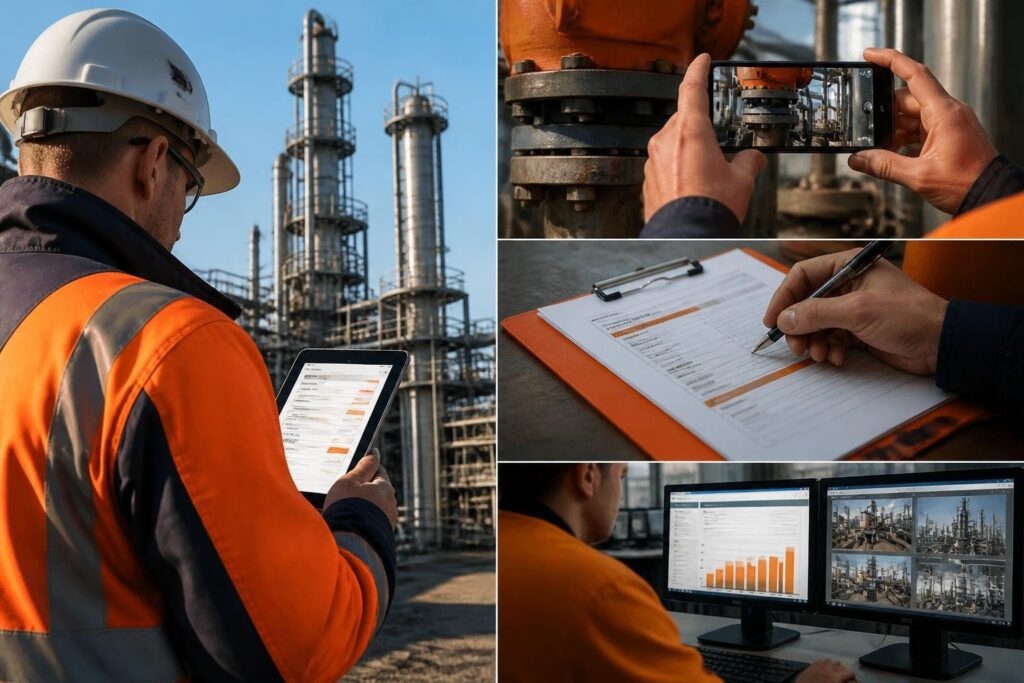

Fixed gas detection is a permanent safety system that monitors hazardous gases in industrial environments. These systems use stationary sensors installed at strategic locations to detect flammable, toxic, or oxygen-depleted atmospheres continuously. Unlike portable devices that workers carry, fixed gas detection provides 24/7 monitoring and automatic alerts when gas concentrations exceed safe thresholds. Organizations in oil and gas, chemical processing, manufacturing, and maritime industries rely on these systems to protect personnel, prevent explosions, and maintain regulatory compliance.
TL;DR
- Fixed gas detection systems are permanent installations that monitor hazardous gases continuously using stationary sensors
- Common sensor types include catalytic bead, electrochemical, infrared, and photoionization detectors
- Systems integrate with fire suppression, ventilation controls, and emergency shutdown sequences
- Federal regulations require fixed gas detection in classified areas, production facilities, and vessel compartments
- Automated calibration tracking and service management reduce compliance gaps and maintenance errors
What Is Fixed Gas Detection?
Fixed gas detection is a permanently installed monitoring system that uses stationary sensors to detect hazardous gases in industrial facilities. The system consists of gas sensors, a control panel, and alarm outputs that alert personnel and trigger automated safety responses when dangerous gas levels are detected.
These systems differ from portable gas detectors in deployment, coverage, and integration. Fixed systems monitor specific areas continuously, while portable units provide personal protection for mobile workers. A typical fixed gas detection installation includes multiple sensor points connected to a central control unit that logs data, manages alarms, and interfaces with building management systems.
Core Components
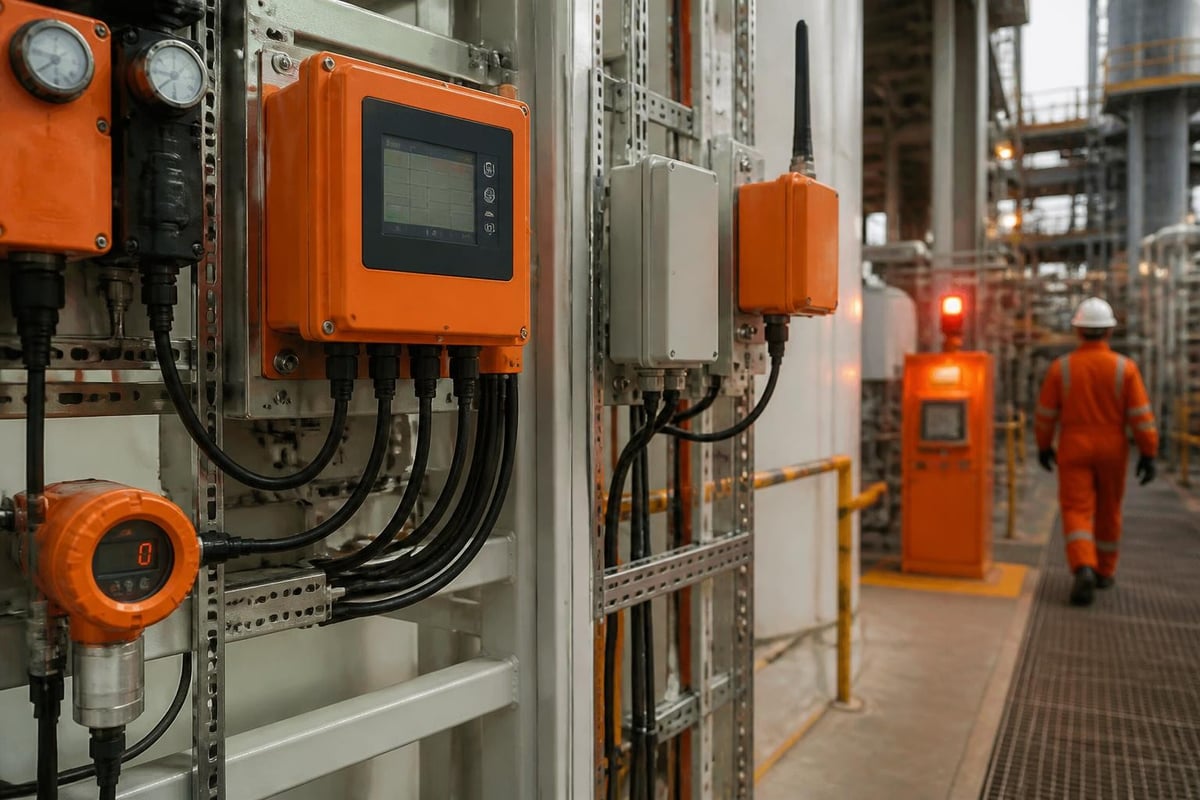
Fixed gas detection systems contain four essential elements:
- Gas sensors: Detect specific gases using catalytic, electrochemical, infrared, or ultrasonic technologies
- Control panel: Processes sensor signals, manages alarm thresholds, and records event data
- Alarm devices: Visual and audible indicators that alert personnel to dangerous conditions
- Power supply: Backup battery systems ensure operation during power failures
The control panel serves as the system brain. It receives analog or digital signals from distributed sensors, compares readings to programmed setpoints, and activates alarms or safety protocols. Modern panels support multiple communication protocols, remote monitoring via cloud platforms, and integration with SCADA systems.
What Gases Require Fixed Detection Systems?
Fixed gas detection systems monitor three primary gas categories based on hazard type. Each category requires specific sensor technology and alarm threshold configuration.
Flammable gases present explosion risks when concentrations reach the Lower Explosive Limit (LEL). Common examples include methane, propane, hydrogen, and gasoline vapors. Catalytic bead sensors and infrared detectors measure these gases, with alarm setpoints typically at 10% and 25% LEL. Federal regulations for flammable gas detection specify installation requirements for vessel compartments and enclosed spaces.
Toxic gases cause health effects through inhalation even at low concentrations. Carbon monoxide, hydrogen sulfide, chlorine, ammonia, and sulfur dioxide require electrochemical or metal oxide sensors. Alarm thresholds align with Permissible Exposure Limits (PEL) and Short-Term Exposure Limits (STEL) defined by occupational safety standards.
Oxygen deficiency occurs when oxygen levels drop below 19.5% by volume. Confined spaces, inert gas storage areas, and cryogenic facilities need oxygen sensors to prevent asphyxiation. High oxygen levels above 23.5% also require detection due to enhanced combustion risks.
| Gas Category | Sensor Type | Typical Alarm Threshold | Response Action |
|---|---|---|---|
| Flammable | Catalytic bead, IR | 10% LEL | Activate ventilation |
| Toxic | Electrochemical | PEL/STEL | Evacuate area |
| Oxygen | Electrochemical | <19.5% or >23.5% | Emergency response |
Production facilities must install sensors in enclosed classified areas according to fire and gas detection requirements. The number and placement of sensors depend on gas dispersion patterns, ventilation design, and potential leak sources.
How Do Fixed Gas Detection Sensors Work?
Sensor technology selection depends on target gas properties, environmental conditions, and detection range requirements. Each sensor type operates on distinct physical or chemical principles.
Catalytic Bead Sensors
Catalytic bead sensors detect flammable gases through oxidation reactions. The sensor contains two platinum coils coated with catalyst material. When flammable gas contacts the active bead, it oxidizes and generates heat. The temperature increase changes coil resistance, creating a voltage difference measured by the control panel.
These sensors respond to most flammable gases but require oxygen for operation. They cannot function in inert atmospheres or oxygen-deficient environments. Catalytic sensors need regular calibration and are sensitive to catalyst poisoning from silicones, sulfur compounds, and halogenated hydrocarbons.
Electrochemical Sensors
Electrochemical sensors measure toxic gases through redox reactions at electrode surfaces. The sensor contains an electrolyte solution with working, counter, and reference electrodes. Target gas molecules diffuse through a membrane and react at the working electrode, generating a current proportional to gas concentration.
Benefits include high sensitivity, low power consumption, and fast response times. Electrochemical sensors excel at detecting carbon monoxide, hydrogen sulfide, nitrogen dioxide, and chlorine at parts-per-million levels. Cross-sensitivity to interfering gases and limited sensor lifespan (typically 2-3 years) require periodic replacement.
Infrared Sensors
Infrared sensors detect gases that absorb specific wavelengths of infrared light. The sensor projects an IR beam through the measurement chamber. Gas molecules absorb energy at characteristic wavelengths, reducing the signal reaching the detector. The absorption amount correlates to gas concentration.
IR sensors provide accurate methane and carbon dioxide detection without oxygen dependency. They resist catalyst poisoning and offer longer operational lifespans than catalytic sensors. The technology suits applications with high gas concentrations or environments where other sensor types degrade rapidly.
Photoionization Detectors
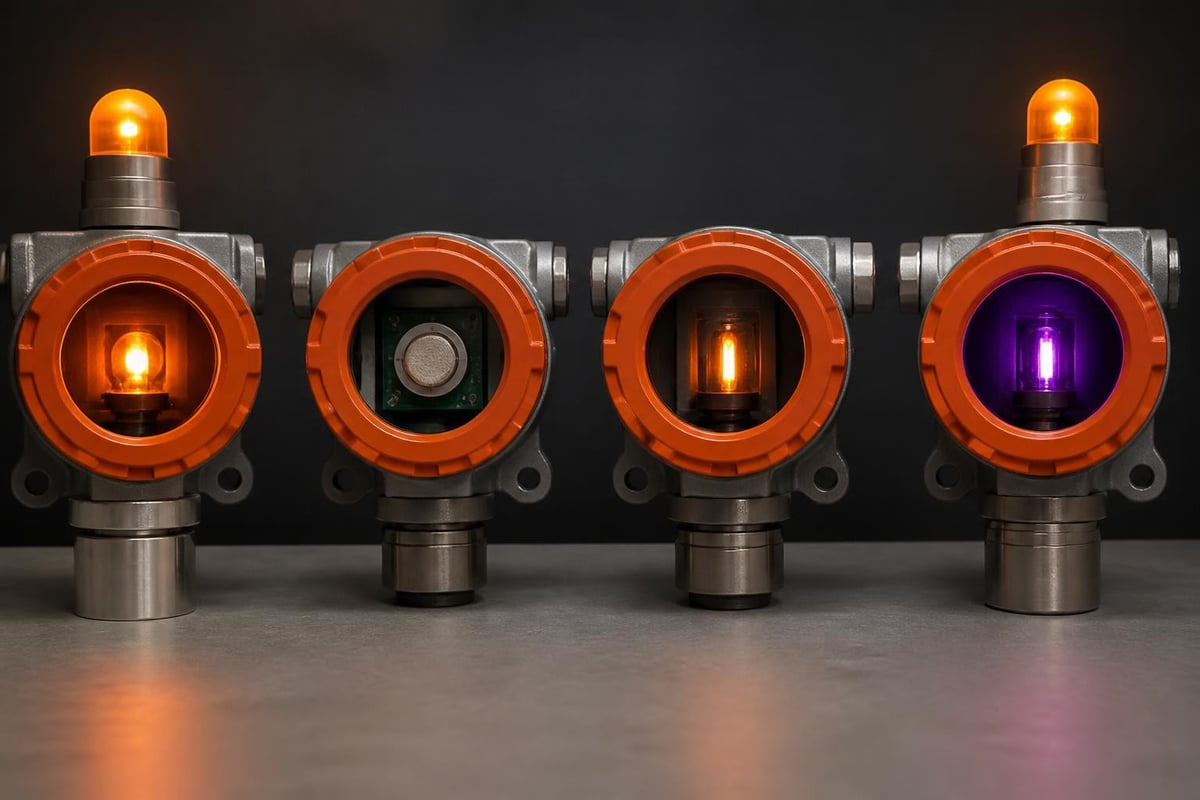
Photoionization detectors (PID) measure volatile organic compounds using ultraviolet light. The UV lamp ionizes gas molecules, creating a current between charged electrodes. PIDs detect hundreds of compounds but cannot differentiate between gases without additional analysis.
What Are the Steps to Install Fixed Gas Detection?
Fixed gas detection installation follows a structured process that begins with hazard assessment and ends with system commissioning. Proper installation ensures reliable operation and regulatory compliance.
- Conduct site survey: Map potential leak sources, ventilation patterns, and personnel exposure zones
- Perform risk assessment: Identify target gases, concentration ranges, and required response times
- Design sensor layout: Position sensors based on gas density, airflow, and accessibility requirements
- Install mounting hardware: Secure sensor housings, junction boxes, and cable pathways
- Run wiring: Connect sensors to control panel using certified cable types for hazardous areas
- Configure control panel: Program alarm setpoints, relay outputs, and communication interfaces
- Calibrate sensors: Apply known gas concentrations and verify accurate readings
- Test alarm functions: Confirm visual and audible alarms activate at programmed thresholds
- Integrate safety systems: Link to ventilation controls, emergency shutdown, and fire suppression
- Document system: Create as-built drawings, calibration records, and maintenance schedules
Gas density affects sensor placement significantly. Gases lighter than air (methane, ammonia) require sensors mounted near ceiling level. Heavier gases (propane, hydrogen sulfide) need floor-level or low-wall placement. Sensor spacing depends on coverage area requirements, with typical ranges from 5 to 25 feet based on gas type and facility geometry.
Guidance on fixed gas detection systems emphasizes compliance with Safety Instrumented Systems standards. Systems classified as SIL-rated (Safety Integrity Level) require redundancy, fault detection, and proof testing intervals.
Why Is Calibration Critical for Fixed Gas Detection?
Calibration ensures sensors provide accurate readings throughout their operational lifespan. Sensor drift, environmental factors, and component aging degrade measurement accuracy over time.
Calibration frequency depends on sensor technology, environmental conditions, and regulatory requirements. Standard intervals range from monthly to semi-annual verification. Harsh environments with temperature extremes, high humidity, or chemical exposure require more frequent calibration.
The calibration process involves exposing sensors to zero gas (clean air or nitrogen) and span gas (known concentration of target gas). Technicians compare sensor output to expected values and adjust if deviations exceed acceptable tolerances. Documentation includes calibration date, technician name, gas concentrations used, and sensor response.
Common calibration mistakes include:
- Using expired calibration gases
- Insufficient gas flow rate during calibration
- Failing to allow stabilization time before recording readings
- Neglecting temperature and pressure corrections
- Missing calibration records for compliance audits
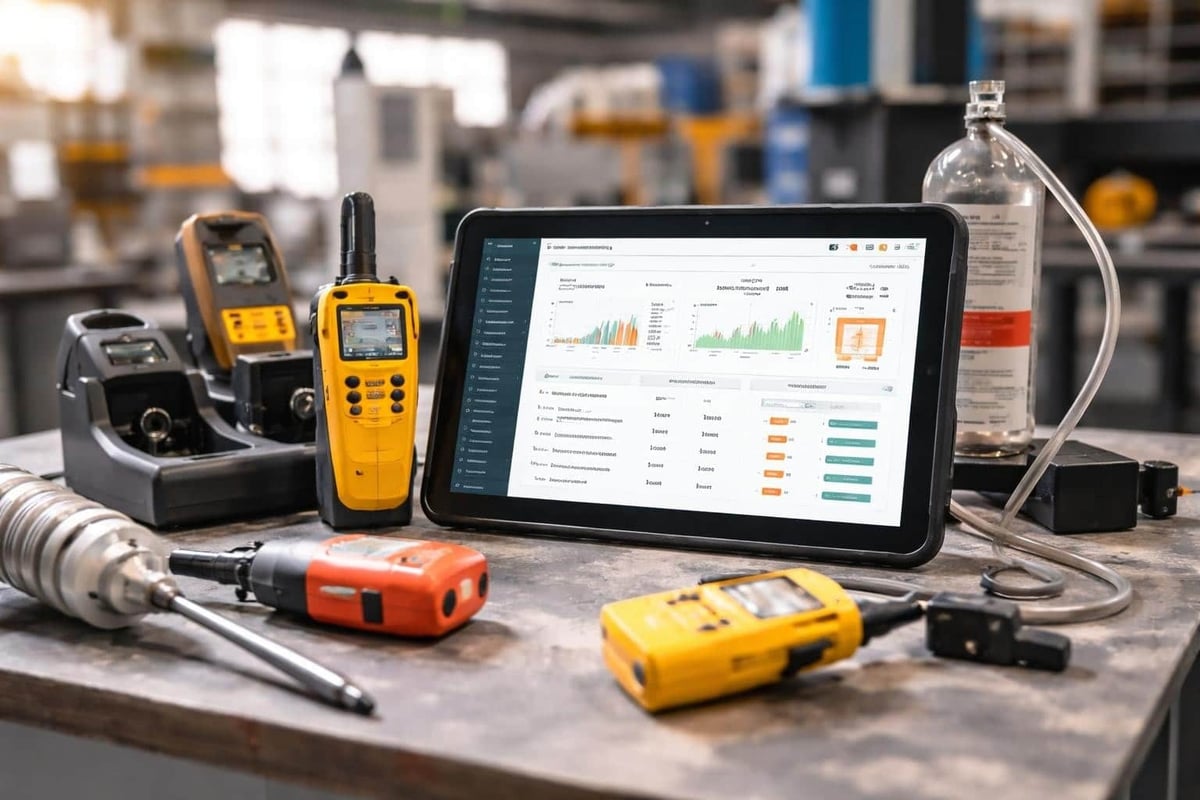
Organizations handling gas detection equipment distribution face complex service tracking requirements. Managing serialized inventory, scheduling preventive maintenance, and generating calibration certificates demand structured workflows. The Brytend Service Module provides complete lifecycle tracking for service equipment, automating reminders for calibration due dates and maintaining detailed service histories for each gas detector unit.
What Regulations Govern Fixed Gas Detection?
Fixed gas detection requirements appear in multiple regulatory frameworks covering maritime, offshore, and industrial facilities. Compliance mandates vary by industry, location, and facility classification.
The U.S. Coast Guard requires fixed gas detection systems on vessels carrying liquefied gases. Sensors must monitor cargo tanks, compressor rooms, and enclosed spaces where gas might accumulate. Regulations specify sensor quantity, placement, and alarm response based on vessel type and cargo.
Offshore production facilities must install fire and gas detection systems in production processing areas. Requirements cover sensor placement in enclosed classified locations, alarm response protocols, and integration with emergency shutdown systems. Facilities demonstrate compliance through design documentation, testing records, and third-party certification.
| Regulation | Scope | Key Requirements |
|---|---|---|
| 46 CFR 154.1350 | Vessel gas systems | Sensors in cargo areas, alarm at control station |
| 30 CFR 250.862 | Offshore platforms | Detection in enclosed classified areas |
| IEC 60079-29-3 | General industrial | Functional safety, SIL rating, proof testing |
International standards for functional safety provide guidance on fixed gas detection system design and implementation. The standard addresses systematic and random hardware failures, software requirements, and safety lifecycle management.
Gas and vapor detector standards specify performance requirements for devices used in ordinary locations. Testing criteria include response time, accuracy, stability, and environmental resistance.
How Does Fixed Gas Detection Integrate With Safety Systems?
Fixed gas detection systems function as input devices for broader safety instrumented systems. Integration enables automated responses that mitigate hazards before conditions become critical.
Typical integration points include:
- Ventilation control: Activate exhaust fans or fresh air supply when gas detected
- Emergency shutdown: Close valves, stop pumps, or isolate equipment
- Fire suppression: Trigger deluge systems or foam release in high-risk areas
- Access control: Lock doors or prevent entry to contaminated zones
- SCADA systems: Transmit real-time data to central monitoring stations
A practical example demonstrates integration value. A chemical processing facility detects hydrogen sulfide at 5 ppm in a reactor room. The system logs the event, activates local alarms, and increases ventilation rate. If concentration reaches 10 ppm, the system triggers emergency shutdown, isolates feed lines, and notifies emergency response personnel via SMS and email alerts.
Communication protocols enable data exchange between fixed gas detection controllers and building automation systems. Modbus, BACnet, and industrial Ethernet standards support integration across vendor platforms. Cloud connectivity allows remote monitoring, automated reporting, and predictive maintenance based on sensor performance trends.
What Are Common Fixed Gas Detection Challenges?
Organizations implementing fixed gas detection face technical, operational, and administrative challenges that affect system reliability and compliance.
False alarms occur when sensors respond to non-target substances or environmental factors. High humidity, temperature fluctuations, and electrical interference generate nuisance alarms that reduce confidence in the system. Proper sensor selection, environmental compensation, and alarm delay settings minimize false positives.
Sensor degradation results from exposure to catalyst poisons, electrolyte depletion, or optical component contamination. Regular bump testing identifies sensors that no longer respond correctly. Establishing replacement schedules based on sensor technology and environmental exposure prevents undetected failures.
Documentation gaps create compliance risks during audits or incident investigations. Missing calibration records, incomplete maintenance logs, or outdated as-built drawings demonstrate inadequate system management. Digital tracking systems replace paper records and provide audit trails for all service activities.
Training deficiencies leave personnel unable to respond appropriately to alarms. Effective programs cover gas hazards, alarm interpretation, emergency procedures, and system limitations. Annual refresher training maintains competency as staff turnover occurs.
Manual vs. Automated Management
| Aspect | Manual Tracking | Automated Software |
|---|---|---|
| Calibration scheduling | Spreadsheets, manual reminders | Automatic alerts based on due dates |
| Service records | Paper forms, filing cabinets | Digital database with search capability |
| Certificate generation | Manual document creation | Template-based automatic generation |
| Compliance reporting | Manual compilation from multiple sources | One-click reports with complete history |
| Inventory tracking | Physical tags, manual counts | Serialized digital records with location |
Organizations managing large detector fleets benefit from custom software development that addresses industry-specific workflows. Tailored solutions integrate calibration tracking, work order management, and customer communication within unified platforms.
How Can Organizations Optimize Fixed Gas Detection?
Optimization reduces operational costs while improving safety performance and compliance reliability. Strategic approaches address technology selection, maintenance processes, and data utilization.
Wireless sensor networks eliminate cable installation costs in retrofit applications. Battery-powered sensors with mesh networking communicate with centralized gateways, providing flexibility in sensor placement. Solar charging extends battery life in outdoor installations. Wireless systems suit applications where running conduit through existing structures is impractical or prohibitively expensive.
Predictive maintenance uses sensor performance data to schedule service before failures occur. Monitoring response time degradation, baseline drift, and calibration adjustment trends identifies sensors approaching end-of-life. Proactive replacement prevents unexpected failures and reduces emergency service calls.
Multi-gas sensors combine detection capabilities in single housings, reducing installation points and wiring complexity. Four-in-one sensors monitoring combustibles, oxygen, hydrogen sulfide, and carbon monoxide suit confined space applications. Consolidated sensors simplify bump testing and calibration procedures.
Cloud-based monitoring enables centralized oversight of distributed facilities. Real-time dashboards display system status across multiple sites, alert management personnel to alarm conditions, and generate compliance reports automatically. Cloud platforms support mobile access for field technicians who need calibration history and service instructions on-site.
Best practices for optimization include:
- Conduct annual system audits reviewing sensor placement, alarm setpoints, and response procedures
- Implement standardized calibration procedures across all facilities
- Maintain 10% spare sensor inventory for critical gas types
- Schedule calibration during low-occupancy periods to minimize disruption
- Review alarm logs quarterly to identify patterns indicating sensor issues or process changes
Recent advances in invisible gas detection using thermal imaging expand monitoring capabilities beyond traditional point sensors. RGB-Thermal networks identify gas plumes through visual and thermal signatures, providing wide-area coverage that complements fixed point detection.
What Does a Fixed Gas Detection Case Study Reveal?
A multinational gas detector distributor managed 15,000 serialized units across 200 client sites. The company faced challenges tracking calibration schedules, generating service certificates, and maintaining compliance documentation. Manual processes using spreadsheets and paper forms resulted in missed calibrations, duplicate service visits, and incomplete audit records.
The organization implemented automated service management software with these capabilities:
- Unique serial number tracking for each detector with complete service history
- Automatic calibration reminders sent 30 days before due dates
- Mobile app for field technicians to record calibration data on-site
- Automatic certificate generation with digital signatures
- Client portal access to view equipment status and service records
- Compliance reporting showing on-time calibration rates by location
Results after 12 months included 99.2% on-time calibration completion (versus 76% previously), 40% reduction in administrative time, elimination of paper filing, and zero compliance violations during regulatory audits. Client retention improved as automated reminders and digital certificates demonstrated service quality.
The case demonstrates how structured data management transforms service operations. Organizations can explore asset tracking solutions and IT task management tools that apply similar principles to equipment monitoring and maintenance workflows.
Fixed gas detection systems protect industrial facilities through continuous monitoring, automatic alarms, and safety system integration. Effective implementation requires proper sensor selection, strategic placement, regular calibration, and comprehensive documentation. Organizations handling gas detection equipment or operating facilities with hazardous atmospheres need software solutions that manage complex service workflows, track serialized inventory, and ensure compliance. Brytend specializes in developing custom software platforms that address industry-specific challenges, from automated calibration tracking to integrated service management, helping businesses streamline operations and maintain safety standards.
Alarm Threshold Configuration and Regulatory Standards
Most fixed gas detection systems use a two-stage alarm structure. For combustible gases, a low warning alarm typically triggers at 10-25% of the Lower Explosive Limit (LEL), with a high alarm at 50% LEL initiating automated shutdown or ventilation. For toxic gases, thresholds align with exposure limits such as the Short-Term Exposure Limit (STEL) or Threshold Limit Value (TLV), escalating to Immediately Dangerous to Life or Health (IDLH) values at the high alarm stage.
When a fixed gas detection system forms part of a Safety Instrumented Function, it must meet a Safety Integrity Level (SIL) rating under IEC 61508 and IEC 61511, which specify requirements for sensor redundancy, diagnostic coverage, and periodic proof testing. Higher-risk applications often use 1oo2 or 2oo3 voting logic across multiple sensors so a single sensor fault does not compromise detection.
| Regulatory Driver | Requirement Type | Common Standards |
|---|---|---|
| OSHA Process Safety Management | Hazard detection and alarm | OSHA 1910.119 |
| IEC Functional Safety | SIL-rated systems | IEC 61508, IEC 61511 |
| NFPA Fire Code | Combustible gas monitoring | NFPA 72, NFPA 853 |
| Maritime Safety | Vessel gas detection | 46 CFR 154.1350 |
Maintenance Schedule
| Task | Frequency | Purpose |
|---|---|---|
| Bump test | Weekly or pre-use | Verify sensor response and alarm function |
| Full calibration | Monthly to quarterly | Adjust sensor output to known gas concentration |
| Sensor replacement | 2-3 years (electrochemical) | Maintain detection accuracy as sensors age |
| System functional test | Quarterly | Verify communications, relays, and integrations |
Insurance providers frequently require certified detection systems and documented maintenance records as a condition of coverage, and third-party certification from bodies such as UL, FM Approvals, or ATEX confirms equipment meets performance standards for the relevant hazardous area classification.