

A service documentation system is a structured framework that captures, organizes, and maintains records of service activities, equipment specifications, maintenance procedures, and technical knowledge in a standardized, searchable format. Organizations across manufacturing, field services, healthcare, and IT operations rely on these systems to ensure compliance, preserve institutional knowledge, and maintain consistent service quality across teams and locations.
The need for structured service documentation has intensified in 2026 as regulations tighten, workforces become more distributed, and equipment complexity increases. Manual documentation methods-spreadsheets, paper forms, disconnected files-create gaps in knowledge transfer, compliance risks, and inefficiencies that cost organizations both time and revenue.
What Is a Service Documentation System and Why Does It Matter?
A service documentation system centralizes all service-related information into one accessible platform. It replaces scattered files, inconsistent formats, and tribal knowledge with standardized templates, version control, and traceability.
Core components include:
- Service records documenting work performed, parts replaced, and technician notes
- Equipment profiles with serial numbers, specifications, warranty details, and service history
- Procedure libraries containing step-by-step instructions, safety protocols, and troubleshooting guides
- Certificate generation for compliance documentation and customer delivery
- Automated reminders for preventive maintenance schedules and inspection due dates
Organizations implementing a proper service documentation system report 40-60% reduction in service delays caused by missing information, 30-50% faster onboarding for new technicians, and significant improvements in audit readiness. The system transforms documentation from a compliance burden into a strategic asset that drives operational efficiency.

How Does a Service Documentation System Differ from General Documentation?
General documentation captures broad organizational knowledge-policies, processes, project details. A service documentation system focuses specifically on the lifecycle of equipment and the technical activities required to maintain it.
Equipment-Centric Structure
Service documentation systems organize information around serialized assets. Each piece of equipment receives a unique identifier that connects its complete history-installation details, configuration changes, repairs, inspections, and performance data. This asset-centric approach enables tracking that general documentation platforms cannot provide.
When a technician encounters equipment issue, they access that specific unit's complete service history rather than searching through generic maintenance guides. This context reduces diagnostic time and prevents repeated mistakes.
Traceability Requirements
Service operations demand traceability that general documentation does not address. Regulatory frameworks in industries like medical devices, gas detection, pressure equipment, and industrial machinery require proof of who performed what service, when, using which procedures and parts.
| General Documentation | Service Documentation System |
|---|---|
| Project reports and meeting notes | Equipment-specific service records |
| Process overviews and policies | Step-by-step technical procedures |
| Version control for documents | Audit trails for every service event |
| Search by topic or category | Search by serial number or asset ID |
| Periodic updates as needed | Real-time updates during service |
A robust management system software approach ensures these traceability requirements are met systematically rather than through manual effort.
What Are the Essential Components of an Effective Service Documentation System?
Building an effective service documentation system requires more than digitizing paper forms. The system must address specific workflows, data relationships, and user needs across service operations.
Serialized Inventory Registry
Every serviceable asset must have a unique identity. This registry captures manufacturer details, model specifications, installation location, commissioning date, warranty expiration, and custom fields relevant to your industry. Serial number tracking connects all subsequent service activities to the specific equipment instance.
Organizations managing hundreds or thousands of assets need hierarchical structures-grouping equipment by location, customer, equipment type, or criticality level. This organization enables bulk actions like scheduling annual inspections for all units at a facility.
Service Activity Templates
Standardized templates ensure consistency regardless of which technician performs the work. Templates define required fields, acceptable values, conditional logic, and mandatory documentation for different service types-installation, preventive maintenance, repair, inspection, calibration.
Well-designed templates include:
- Pre-populated equipment details pulled from the registry
- Checklists matching manufacturer recommendations or regulatory requirements
- Photo capture requirements for before/after documentation
- Digital signature fields for customer approval
- Parts usage tracking linked to inventory systems
- Time tracking for labor cost allocation
Template standardization reduces errors, accelerates service completion, and ensures compliance with documentation best practices for service operations.
Technical Procedure Library
Service documentation systems must house detailed technical procedures accessible during service execution. These living documents include troubleshooting flowcharts, safety protocols, calibration procedures, and manufacturer specifications.
Version control is critical-technicians need the current approved version, but audit requirements may demand access to historical versions used during specific service events. The system should track which procedure version was referenced for each service record.

Automated Scheduling and Reminders
Manual tracking of maintenance schedules fails as equipment populations grow. A proper service documentation system calculates next service dates based on calendar intervals, operating hours, or usage metrics, then automatically generates work orders or notifications.
This automation ensures preventive maintenance occurs on schedule, reducing emergency repairs and extending equipment lifespan. The system should handle complex scheduling rules-quarterly inspections, annual certifications, five-year overhauls-simultaneously across diverse equipment types.
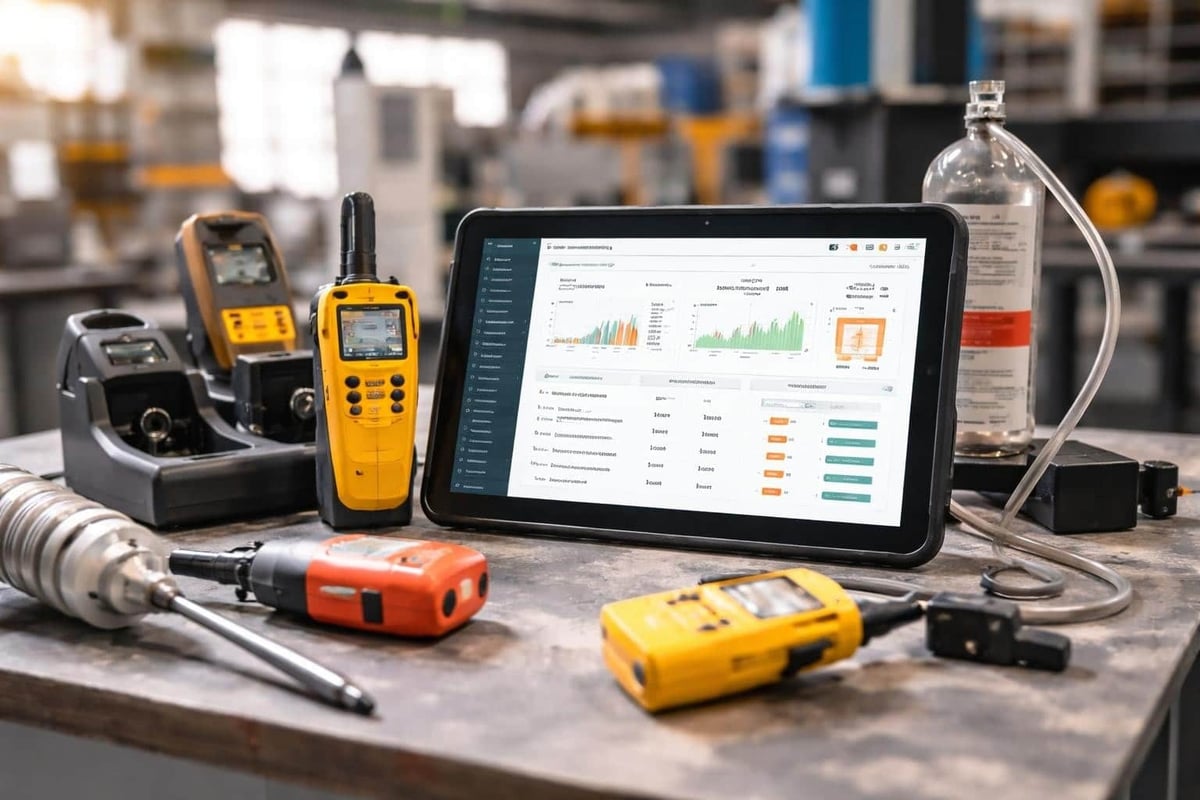
The Brytend Service Module exemplifies this capability, allowing organizations to register serialized inventory, define custom service types, automate maintenance reminders based on flexible criteria, and generate compliant service certificates-all within an integrated platform that connects service activities to broader business operations.
Certificate and Report Generation
Service completion often requires formal documentation delivered to customers or regulatory bodies. The system should automatically generate certificates, reports, or compliance documents populated with data from service records-eliminating manual transcription and associated errors.
Certificate templates should be customizable to match industry standards, regulatory formats, or customer specifications while maintaining data integrity through controlled fields and validation rules.
How Do Organizations Implement a Service Documentation System Successfully?
Implementation success depends on process analysis, stakeholder engagement, and structured rollout rather than simply purchasing software.
Process Discovery and Mapping
Begin by documenting current service workflows-how work requests originate, information technicians need in the field, handoffs between roles, compliance requirements, and pain points in existing documentation. Interview technicians, service managers, quality personnel, and customers to capture complete requirements.
Map these workflows visually to identify where documentation gaps occur, where manual transcription introduces errors, and where automation could eliminate bottlenecks. This analysis reveals which system features matter most for your specific operations.
Data Migration Planning
Existing service records, equipment registries, and procedure documents represent institutional knowledge that must transfer to the new system. Prioritize data migration based on value and effort:
- Active equipment registry with current specifications and locations
- Recent service history providing baseline for upcoming maintenance
- Current procedure versions technicians reference regularly
- Compliance-critical records required for audits or certifications
- Historical archives for long-lived equipment or regulatory retention
Clean data before migration-standardize formats, eliminate duplicates, validate serial numbers. Invest time here; poor data quality undermines system value permanently.
Template Design and Testing
Resist the temptation to replicate paper forms exactly. Redesign templates to leverage system capabilities-dropdown menus for consistent data entry, conditional logic to show relevant fields based on equipment type, automatic calculations, integration with inventory for parts tracking.
Test templates with actual technicians performing real services before full deployment. Iterate based on feedback-are required fields truly necessary? Do field names match technician vocabulary? Can the template be completed efficiently on mobile devices in field conditions?
Following structured documentation best practices during template design ensures usability and adoption.
Phased Rollout Strategy
Full implementation across all equipment types and service categories simultaneously overwhelms teams and risks failure. Instead, phase the rollout:
- Phase 1: Single equipment type or high-value asset category with motivated early adopters
- Phase 2: Additional equipment types incorporating lessons learned
- Phase 3: Integration with related systems (inventory, scheduling, billing)
- Phase 4: Advanced features like predictive maintenance analytics or customer portals
Each phase validates the approach, builds user confidence, and demonstrates value that motivates broader adoption.
What Mistakes Do Organizations Make with Service Documentation Systems?
Common implementation failures follow predictable patterns. Awareness of these pitfalls improves success probability significantly.
Over-Customization Without Process Improvement
Organizations often demand extensive customization to match existing dysfunctional processes rather than using implementation as an opportunity to improve workflows. The service documentation system becomes an expensive digital replica of broken manual processes.
Better approach: Challenge existing processes. Question whether every current data point is truly necessary. Standardize where possible. Customize only for genuine business-critical requirements or regulatory mandates.
Inadequate Mobile Optimization
Technicians perform service work in manufacturing facilities, customer sites, field locations-not office desks. Systems designed primarily for desktop use create friction that drives technicians back to paper notes later transcribed (introducing errors and delays).
Mobile-first design ensures technicians can complete documentation at point of service with minimal effort. This real-time capture improves accuracy and eliminates transcription delays.
Ignoring Integration Requirements
Service documentation systems rarely operate in isolation. They need data from inventory systems (parts availability), scheduling platforms (work order details), customer databases (site contact information), and financial systems (billing codes).
Manual re-entry of data that exists elsewhere wastes time and introduces inconsistencies. Plan integration requirements early, budget for API development or middleware, and establish data governance for synchronized information.
Insufficient Training and Change Management
Technical training on software features is necessary but insufficient. Technicians need to understand why documentation standards matter, how structured data improves their work, and what happens when documentation is incomplete or inconsistent.
Service managers need training on using documentation data for performance analysis, scheduling optimization, and continuous improvement. Without this broader context, the system becomes another administrative burden rather than a strategic tool.
Following guidance on process documentation best practices helps organizations avoid these common mistakes and build documentation systems that truly support service excellence.
How Does a Service Documentation System Impact Business Performance?
The business case for service documentation systems extends beyond compliance to measurable operational and financial benefits.
Operational Efficiency Gains
Technicians spend 15-25% of service time searching for information, clarifying procedures, or recreating documentation that should already exist. A proper service documentation system eliminates this waste.
Measurable improvements include:
- Reduced service time per job through instant access to equipment history and procedures
- First-time fix rates improving from 60-70% to 85-95% with complete diagnostic information
- Onboarding time for new technicians decreasing from 6-9 months to 3-4 months with structured procedure libraries
- Administrative overhead for report generation dropping 70-80% through automation
These efficiency gains directly impact profitability in service businesses where labor is the primary cost and time-on-site determines revenue capacity.
Compliance and Risk Reduction
Regulatory penalties for inadequate service documentation range from minor fines to shutdown orders or liability exposure in safety-critical industries. Beyond financial penalties, documentation failures damage customer relationships and market reputation.
A service documentation system provides audit-ready records demonstrating adherence to maintenance schedules, qualified technician assignments, approved procedures, and corrective action completion. This documentation defense reduces regulatory risk and provides evidence in liability disputes.
| Manual Documentation | Service Documentation System |
|---|---|
| Missing or incomplete records common | Required fields enforce completeness |
| Delayed documentation from memory | Real-time capture at point of service |
| Difficult to locate specific records | Instant retrieval by serial number or date |
| No proof of procedure compliance | Audit trail shows procedure version used |
| Technician signature legitimacy questions | Digital signatures with timestamp verification |
Organizations in field service management particularly benefit from these compliance capabilities given distributed operations and varied service environments.
Knowledge Preservation and Scalability
Experienced technicians carry critical diagnostic knowledge, troubleshooting insights, and equipment-specific quirks in their heads. When they retire or leave, this knowledge disappears-unless the service documentation system captures it.
Structured documentation transforms individual expertise into organizational assets. New technicians access accumulated wisdom through service history notes, procedure refinements, and troubleshooting tips documented by predecessors. This knowledge sharing accelerates capability development across the team.
As organizations scale service operations to more locations, equipment types, or customers, documented procedures enable consistent quality regardless of which technician responds. This scalability is impossible with tribal knowledge approaches.

What Technical Capabilities Should You Evaluate in Service Documentation Systems?
Not all service documentation systems offer equivalent capabilities. Evaluation should focus on features that directly address your operational requirements and integration needs.
Multi-Device Access and Offline Functionality
Technicians work in environments with unreliable connectivity-basements, industrial facilities, remote sites. The system must function offline on mobile devices, storing data locally and synchronizing when connectivity returns.
Evaluate how the system handles offline conflicts, whether it supports rugged tablets and smartphones, and how quickly it synchronizes after reconnection. Poor offline performance creates frustration and drives workarounds.
Customizable Data Models
Every industry has unique equipment attributes, service types, and compliance requirements. The system must accommodate custom fields, relationships, and workflows without requiring software development for every addition.
Look for configurable data models where administrators can define new equipment types, service templates, and data validation rules through configuration rather than code. This flexibility enables the system to evolve with business needs.
Role-Based Access and Security
Different users need different access levels. Technicians require read/write access to service records but not administrative functions. Customers might view their equipment history but not other clients' data. Managers need reporting access across all records.
Evaluate how granularly the system controls permissions-by role, by record type, by customer, by equipment category. Security requirements intensify when customer data or competitive information is involved.
API and Integration Architecture
Modern service documentation systems must exchange data with other business systems. Evaluate API availability, documentation quality, supported integration patterns, and whether the vendor provides pre-built connectors for common platforms.
Understanding API documentation best practices helps assess whether vendor APIs will support your integration requirements efficiently.
Analytics and Reporting Capabilities
Data trapped in individual records provides limited value. The system should enable analysis across equipment populations, service trends, technician performance, parts consumption, and compliance status.
Essential reporting capabilities:
- Equipment reliability metrics showing failure rates, mean time between failures, maintenance costs per asset
- Service efficiency analysis measuring time per job type, first-time fix rates, parts usage patterns
- Compliance dashboards highlighting upcoming inspections, overdue maintenance, certification expirations
- Technician performance tracking completed jobs, customer ratings, procedure adherence
- Financial reporting connecting service activities to labor costs, parts costs, and billing
Advanced systems offer predictive analytics identifying equipment likely to fail based on service history patterns, enabling proactive intervention before costly breakdowns occur.
How Do Service Documentation Systems Support Different Industries?
While core principles remain consistent, service documentation system requirements vary significantly across industries based on equipment types, regulatory frameworks, and service models.
Manufacturing and Industrial Equipment
Manufacturers maintaining production equipment face unique documentation challenges. Equipment often runs continuously, failures cause expensive downtime, and regulatory requirements vary by equipment type (pressure vessels, lifting equipment, electrical systems).
Service documentation systems in manufacturing must handle preventive maintenance schedules balancing production demands, track equipment modifications affecting safety certifications, and integrate with CMMS or ERP systems managing spare parts inventory.
The focus is uptime maximization through data-driven maintenance timing-not too early (wasting capacity) or too late (risking failure). Historical service data reveals optimal intervals for specific equipment in specific operating conditions.
Medical Device and Healthcare Equipment
Healthcare equipment documentation faces stringent regulatory requirements from FDA, ISO 13485, and facility accreditation bodies. Every service event must demonstrate qualified technician performance, calibrated test equipment usage, approved procedure adherence, and biomedical safety verification.
Service documentation systems must generate compliance reports for inspections, track medical device unique identifiers (UDI), manage recall notifications, and maintain complete audit trails. Integration with hospital asset management and biomedical engineering systems ensures coordinated equipment lifecycle management.
Field Service Organizations
Companies delivering service at customer locations-HVAC, elevator maintenance, fire protection systems-need mobile-first service documentation systems supporting offline operation. Technicians require instant access to site-specific information, equipment configurations, and customer preferences while working independently.
Certificate generation and customer signature capture at point of service eliminate office returns just to complete paperwork. GPS verification of service location and timestamp documentation provide proof of service for contract compliance. Resources like MSP documentation best practices offer valuable guidance for field service documentation approaches.
Gas Detection and Safety Equipment
Organizations servicing gas detection systems, breathing air compressors, and safety equipment face critical documentation requirements. Equipment failure creates immediate safety risks, regulatory frameworks mandate specific service intervals and procedures, and liability exposure demands impeccable documentation.
Service documentation systems must track equipment certification expiration dates, ensure service procedures match current standards, verify technician qualifications for specific equipment types, and generate certificates meeting regulatory formats. The gas detection service sector particularly benefits from automated compliance tracking and standardized documentation workflows.
Implementing a structured service documentation system transforms service operations from reactive firefighting to proactive asset management with measurable efficiency gains, compliance confidence, and knowledge preservation. Organizations that treat documentation as a strategic capability rather than administrative burden gain competitive advantages through superior service quality and operational efficiency. Brytend specializes in developing custom service documentation solutions tailored to your specific equipment types, regulatory requirements, and operational workflows, delivering platforms that technicians actually use and managers rely on for data-driven decisions.