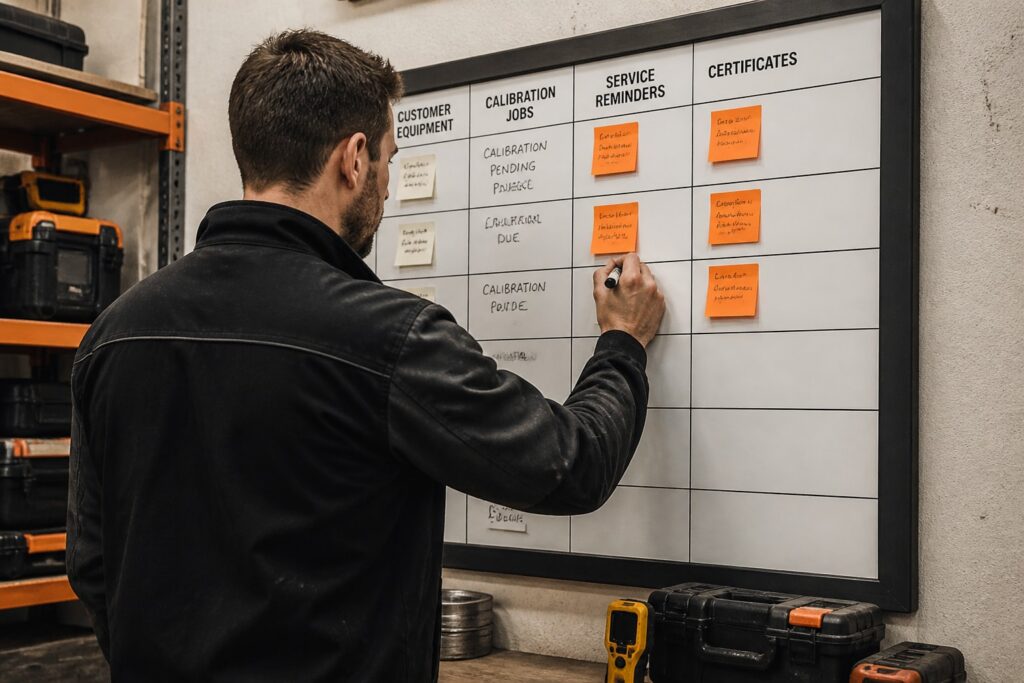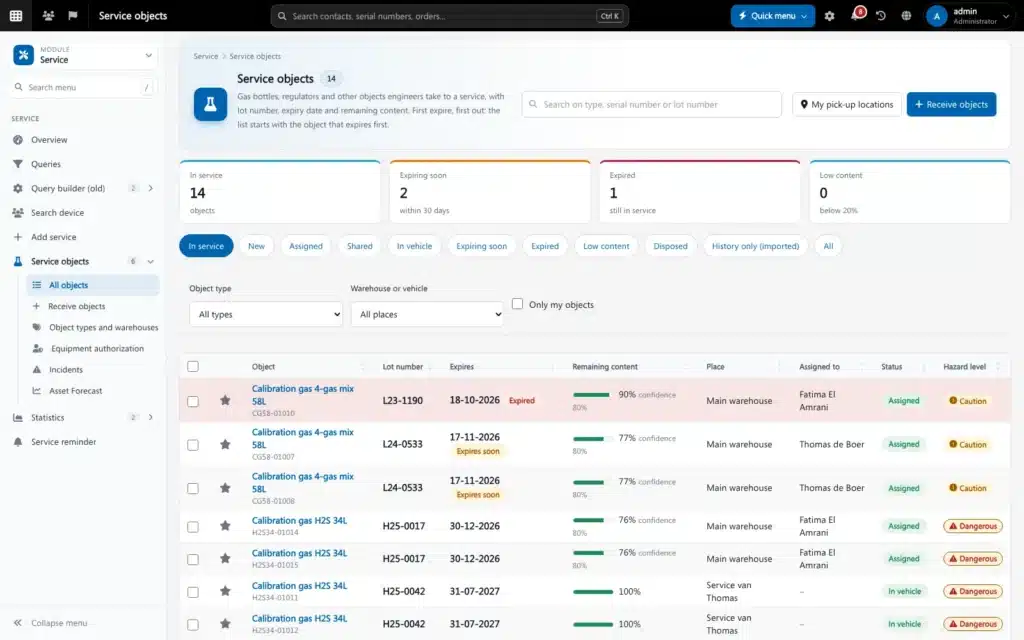
PAT testing software keeps the register of every portable electrical appliance you inspect and test, with its results, certificates and next due date. Electrical contractors and PAT testing companies use it to plan visits, record results on site, send customers their reports and invoice the work, instead of retyping tester data into spreadsheets. Companies with many appliances of their own use it to prove they meet the Electricity at Work Regulations.
TL;DR:
- PAT testing (portable appliance testing) is the in-service inspection and testing of electrical equipment, common in the UK
- It is how most duty holders show they meet the Electricity at Work Regulations 1989
- Frequency is risk-based: hire and site equipment far more often than office equipment
- Software holds the appliance register, results, certificates and due dates per customer and site
- For contractors, the gain is in planning, reports and invoicing, not only in storing results
PAT testing software is the system that turns thousands of appliance tests into a register, a schedule and a report your customers can trust.
What Is PAT Testing?
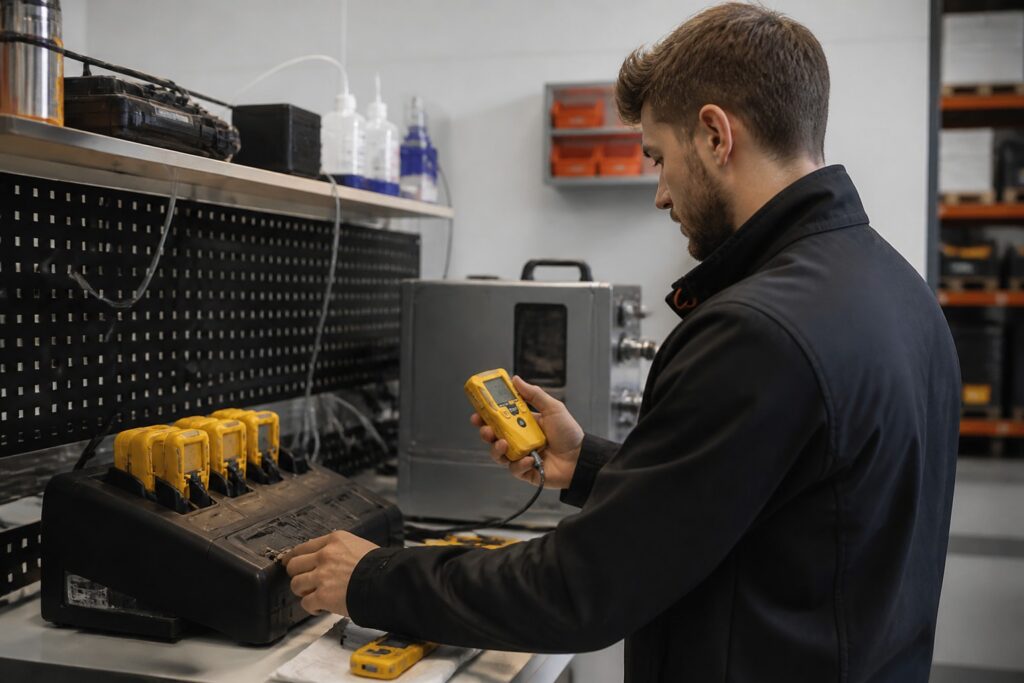
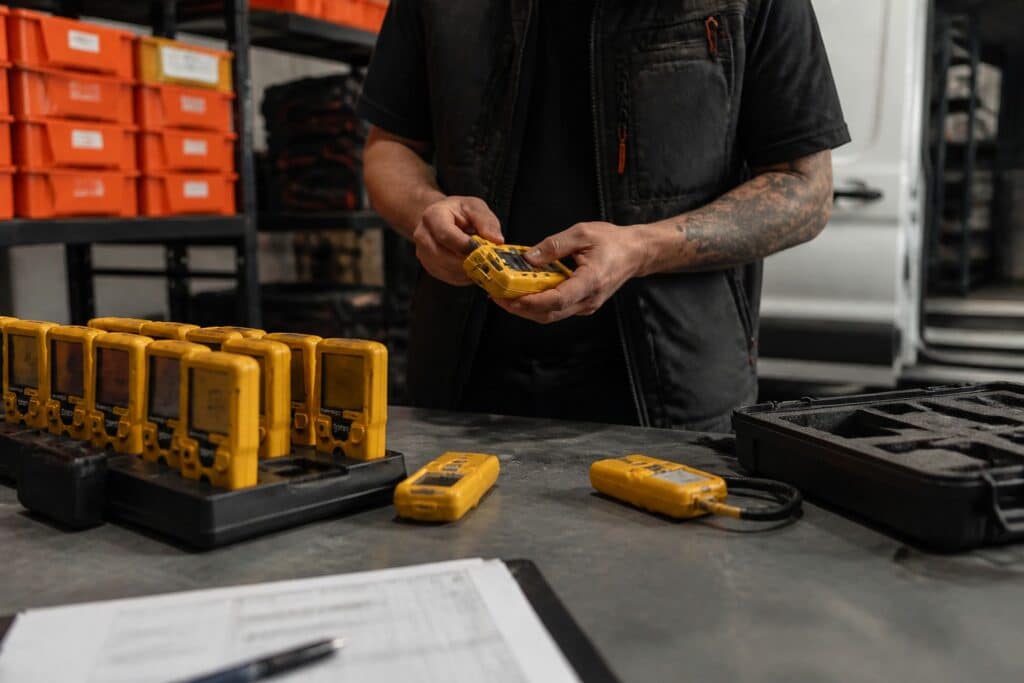
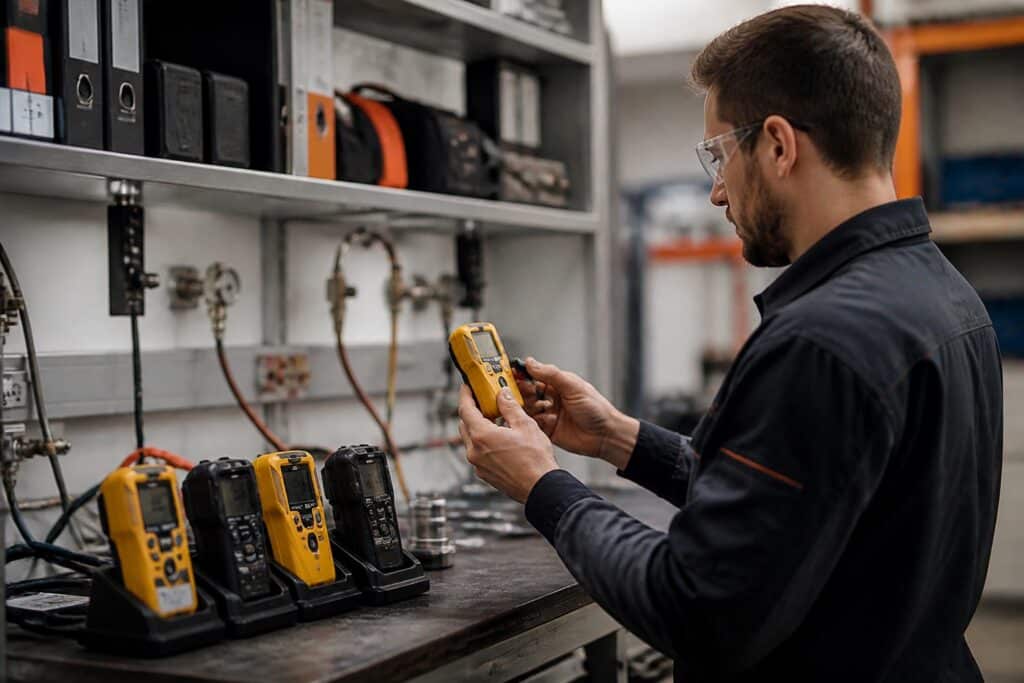
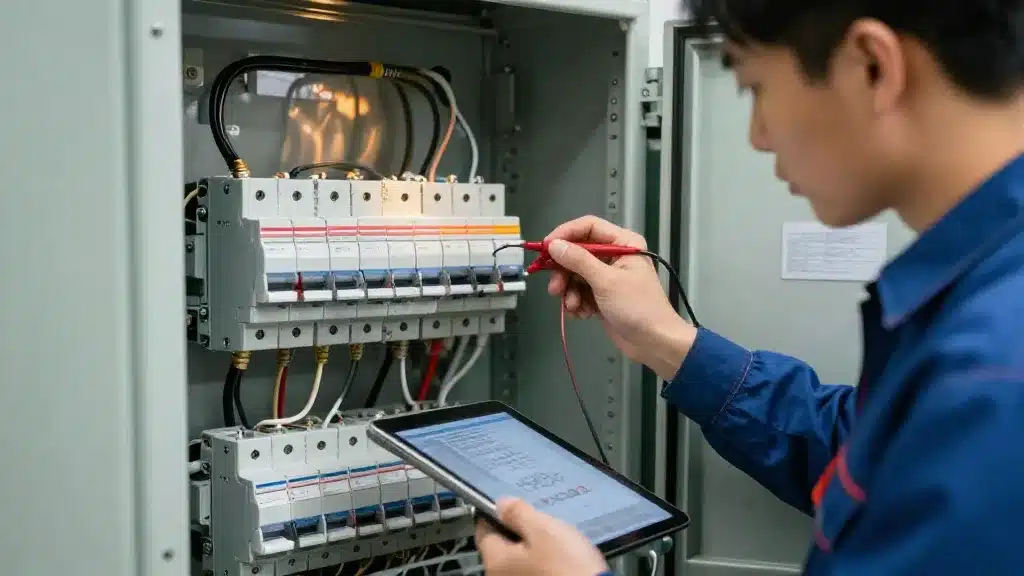
PAT testing is the routine inspection and testing of electrical equipment to make sure it is safe to use. It covers anything that plugs in: kettles, computers, power tools, extension leads, floor cleaners, chargers and hire equipment. A test usually combines a formal visual inspection with electrical tests using a PAT tester, such as earth continuity, insulation resistance and polarity of leads.
The legal basis in the UK is the Electricity at Work Regulations 1989, which require electrical systems and equipment to be maintained so they do not cause danger. The regulations do not name PAT testing or set intervals. The HSE explains a proportionate, risk-based approach in its guidance on portable appliance testing, and the IET Code of Practice for In-service Inspection and Testing of Electrical Equipment is the reference most testers work to.
How Often Should PAT Testing Be Done?
There is no single interval. It depends on the risk, which comes from the type of equipment, how it is used and the environment. The pattern looks like this:
| Environment | Risk | Typical approach |
|---|---|---|
| Offices, shops, hotels (low-risk equipment) | Low | Regular user checks; formal inspection and testing at long intervals |
| Schools, public buildings | Medium | More frequent formal inspections, especially for equipment used by the public |
| Industrial sites, workshops, kitchens | Higher | Frequent inspections and tests |
| Construction sites, hire equipment | High | Short intervals, plus a check before each hire |
The IET Code of Practice gives suggested starting intervals per type of equipment and environment. Adjust them using your own results: if many items fail, shorten the interval; if nothing ever fails, it can often be extended. Whatever you choose, record it, because you need to show your interval is reasoned.
What Does a PAT Test Include?
Step 1: Identify the appliance
Each appliance gets a unique ID label, often with a barcode or QR code, and is recorded with its description, location and class.
Step 2: User check and formal visual inspection
Look for damage to the plug, cable, casing and connections, signs of overheating, the correct fuse and a secure cable grip. Most faults are found at this stage.
Step 3: Electrical tests
Depending on the class, test earth continuity (Class I), insulation resistance or protective conductor and touch current, and the polarity of extension leads.
Step 4: Label and record
Attach a pass or fail label, record the readings and result against the appliance ID, and set the next due date. Remove failed items from use.
What Should PAT Testing Software Do?
A tester can store results, but a box of results is not a register. Good PAT testing software adds what the tester cannot:
- Appliance register: every item per customer, site and room, with ID, class, description and photos
- Due dates: the next inspection and test per item, based on your interval rules
- Mobile recording: scan the label, see the history and record the result on site
- Import: bring in results from the tester where it exports them, so nothing is typed twice
- Certificates and reports: a branded certificate and a list of failed items per site, ready to send
- Failed item follow-up: a repair or replacement quote, and a record of what happened to the item
- Invoicing: charge per item or per visit straight from the recorded work
- History: every test of every item, so you can answer an insurer or a customer at once
Who Uses PAT Testing Software?
PAT testing companies and electrical contractors
For a contractor, PAT testing is recurring revenue. The software plans which customers are due, gives technicians the register on site, produces the certificates and sends the invoice. Many contractors also sell it as part of a yearly service contract.
Hire companies
Hire companies check electrical equipment every time it comes back and before it goes out again. The PAT result has to sit on the same record as the hire, so an item that is due or failed cannot be hired out.
Facilities teams
Schools, hospitals and large offices keep thousands of appliances. They need the register to plan in-house checks and to show inspectors and insurers the records.
How Does Brytend Support PAT Testing?
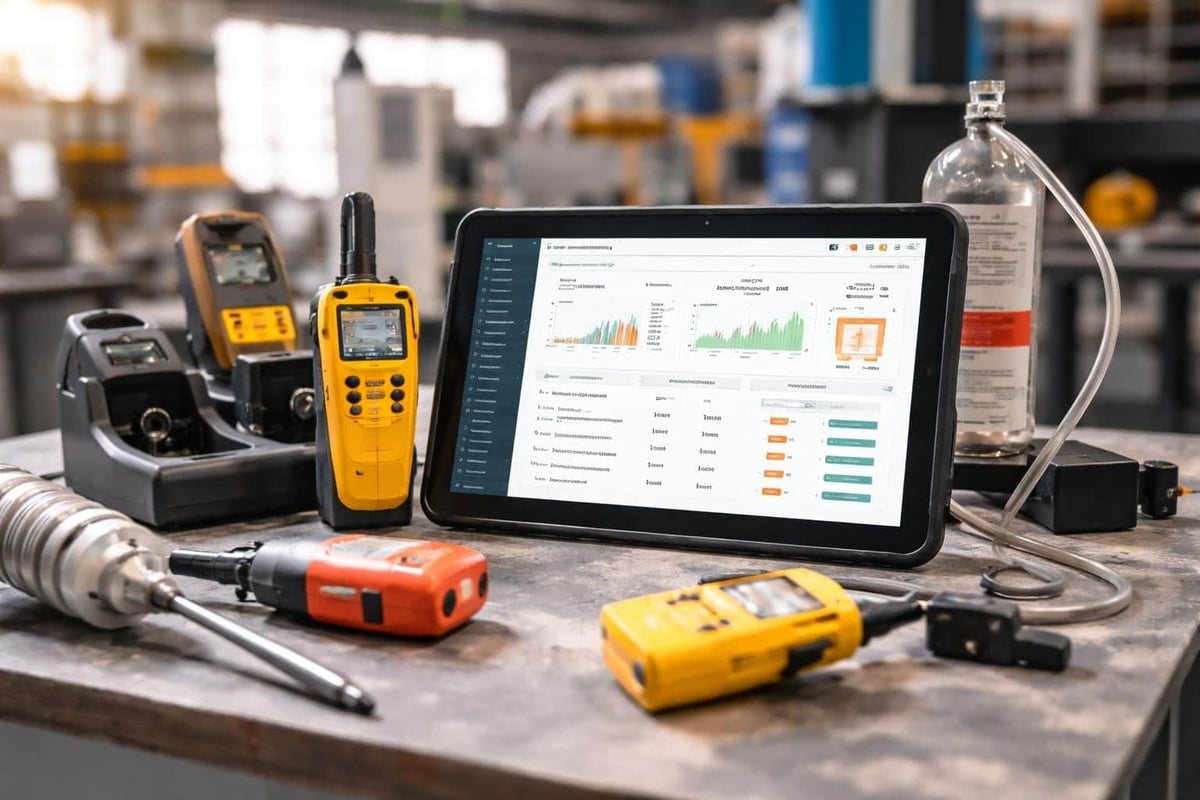
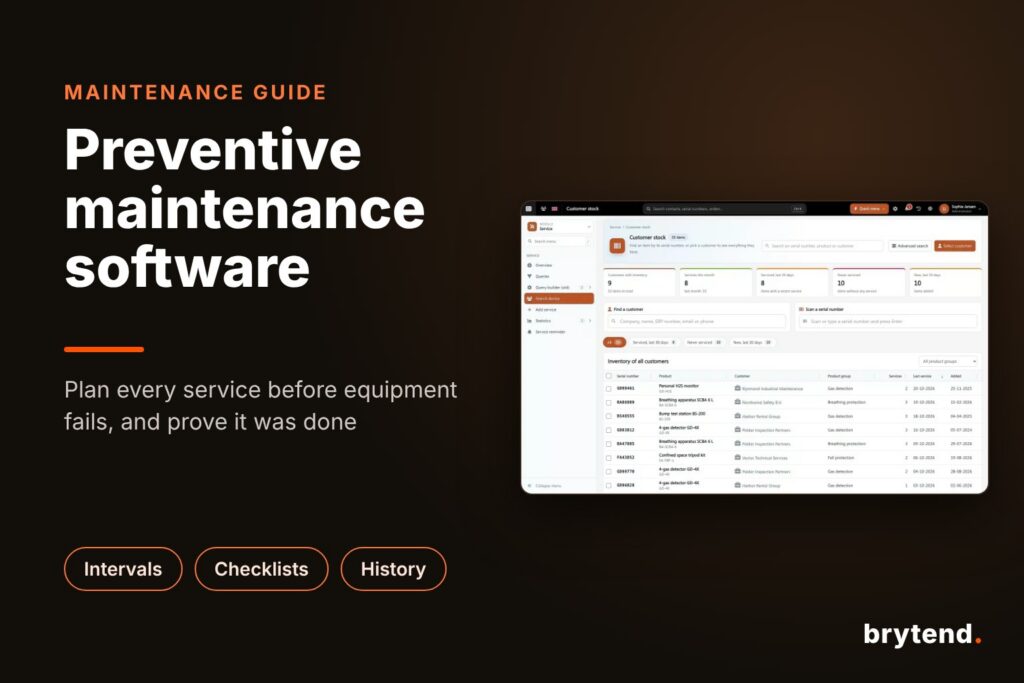
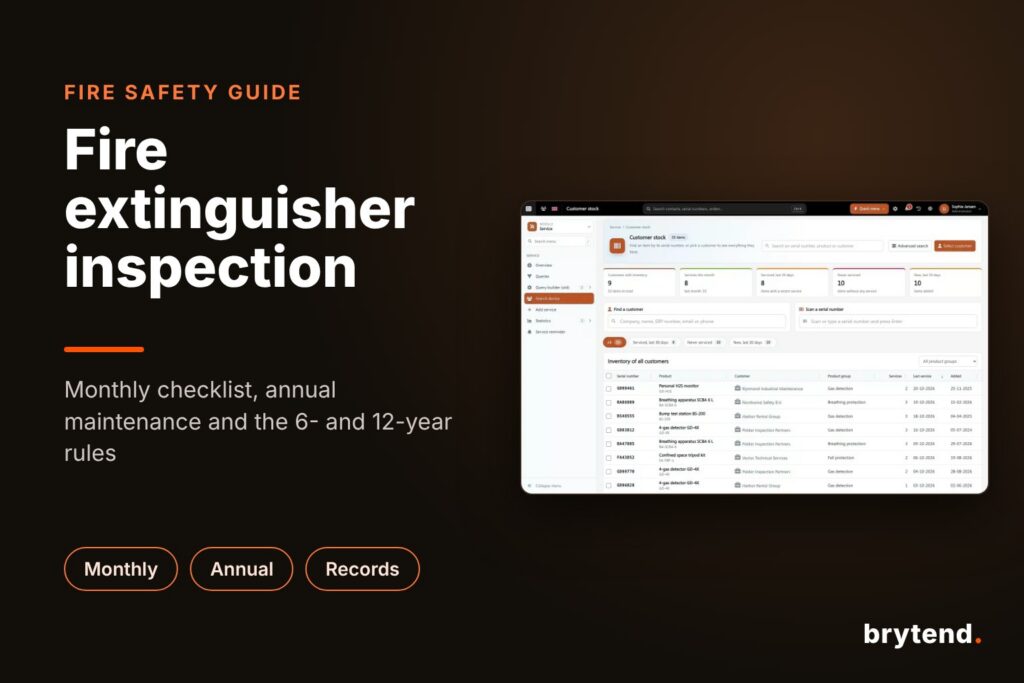
Brytend is software for electrical contractors that runs projects and recurring inspection work in one platform. Each appliance is registered as customer stock with its ID, location and history in the Service and Inspections module. You build the inspection form with your own checks and readings, technicians record results in the mobile app by scanning the label, and the next due date is set automatically. Certificates are generated from your own report template, failed items turn into quotes, and the work flows into invoicing. Hire companies use the same records in Brytend Rental.
The same platform handles other periodic inspections your customers need, from fire extinguisher inspections to LOLER examinations of lifting equipment, so one register covers all of a site’s equipment.
What Are Common PAT Testing Mistakes?
- One interval for everything: a kettle in an office and a drill on site do not carry the same risk
- Testing without a register: items that were never labelled are never tested
- Skipping the visual inspection: it finds most faults, and a passed electrical test does not replace it
- Failed items left in use: a fail label must mean the item leaves the floor
- Records only on the tester: results that are not backed up and linked to the appliance are easily lost
Frequently Asked Questions About PAT Testing Software
What is PAT testing software?
PAT testing software keeps the register of portable electrical appliances and their inspection and test results. It records each appliance with its ID, location, class and test history, calculates when the next inspection or test is due and produces certificates and reports for customers. Contractors use it to plan visits and invoice the work.
Is PAT testing a legal requirement in the UK?
No law says the words PAT testing, but the Electricity at Work Regulations 1989 require electrical equipment that could cause danger to be maintained so it stays safe. Inspection and testing, with records, is the usual way to show you meet that duty. Insurers, landlords and customers often require it too.
How often should PAT testing be done?
There is no fixed legal interval. The frequency is risk-based and depends on the type of equipment, how it is used and where. Equipment on construction sites or hired out needs checking far more often than a desktop computer in an office. The IET Code of Practice for In-service Inspection and Testing of Electrical Equipment gives suggested starting intervals.
What is the difference between Class I and Class II appliances?
Class I appliances rely on an earth connection for protection, so they get an earth continuity test as well as insulation tests. Class II appliances are double insulated, marked with a double square symbol, and have no earth, so no earth continuity test is needed. Both get a visual inspection, which finds most faults.
What records should be kept for PAT testing?
Keep a register of every appliance with a unique ID, description, location and class, plus the date, result and readings of each inspection and test, who did it and when the next one is due. Records of failed items and what happened to them, such as repair or disposal, complete the picture.
Can PAT test results be imported from a tester?
Many modern PAT testers store results and can export them to a computer or app. Whether you can import them depends on the tester and the software. Where import is not possible, a mobile app lets the technician record the result against the appliance by scanning its label.
Who can carry out PAT testing?
A competent person: someone with enough knowledge and training to inspect and test the equipment safely and interpret the results. Simple visual checks can be done by trained staff. Combined inspection and testing with a PAT tester is usually done by an electrician or a trained PAT technician.
PAT testing protects people, but for the companies that do it, the work is mostly administration: registers, due dates, certificates and invoices. PAT testing software takes that work off the evening and puts it in the app the technician already has in hand. If you test, inspect or hire out equipment and want every item, result and report in one place, Brytend lets you try it free for 90 days.