Service contract management software keeps track of the maintenance and service agreements a company has with its customers: which equipment each contract covers, what work is included, which visits are due, how fast you have to respond, what the customer pays and when the contract renews. It links the contract to the planning, the service records and the invoicing, so every promised visit happens and every contract is billed on time.
TL;DR:
- Service contracts and maintenance contracts are the recurring revenue of a service company, and they only pay off when they are delivered and billed correctly
- The software links each contract to the covered assets, the planned visits, the response times and the billing schedule
- It is different from legal contract management: the focus is delivery, renewals and profitability, not signatures
- Key features: covered assets, scope, SLA times, automatic visits, recurring billing, indexation, renewals and margin per contract
Service contract management software is the system that turns a signed maintenance agreement into planned work, proof of service and recurring invoices.
What Is Service Contract Management Software?
A service contract, also called a maintenance contract or service level agreement, is a promise to maintain a customer’s equipment for a fixed fee over a period of time. A fire safety company services all extinguishers in a building every year. An HVAC firm maintains 40 units twice a year with an 8-hour breakdown response. A gas detection supplier calibrates every detector a customer owns and replaces sensors when needed.
Each of those contracts creates work, obligations and revenue. Service contract management software keeps all three together. It knows which assets are covered, which visits the contract promises, when the next one is due, how the customer is billed and when the contract ends.
That makes it different from general contract management systems, which handle drafting, approvals and signatures for any kind of contract. A service company needs the operational side: delivering what was sold, proving it and getting paid.
Why Do Service Companies Struggle With Maintenance Contracts?
Most service companies start with contracts in Word, the covered equipment in a spreadsheet and the billing in the accounting package. That works for ten contracts. With a few hundred, the same problems keep coming back:
- Visits that are missed: the contract promises two inspections a year, but only one is planned
- Equipment lists that drift: the customer adds units, but the contract still lists the old ones, so you service equipment you are not paid for
- Out-of-scope work given away: a technician replaces parts that were not included, and nobody invoices them
- Renewals that slip: contracts roll over at last year’s price because nobody noticed the end date
- No view of profit: you do not know which contracts cost more in hours and parts than they bring in
- SLA disputes: the customer says you were late, and you cannot show when the call came in
What Features Does Service Contract Management Software Need?
| Feature | What it does | Problem it solves |
|---|---|---|
| Covered assets | Links each contract to the exact equipment, with serial numbers and sites | You service only what is paid for, and see what is missing |
| Scope and exclusions | Records what is included: visits, labour, parts, call-outs | Out-of-scope work is recognised and invoiced |
| Planned visits | Creates the visits the contract promises from service intervals | No promised inspection is forgotten |
| Response times | Records when a call came in and when it was handled | You can prove SLA performance |
| Recurring billing | Invoices monthly, quarterly or yearly from the contract | Every contract is billed on time |
| Indexation and renewals | Lists contracts ending soon and updates prices | No contract rolls over at an old price |
| Contract profitability | Compares revenue with hours and parts spent | You know which contracts to reprice |
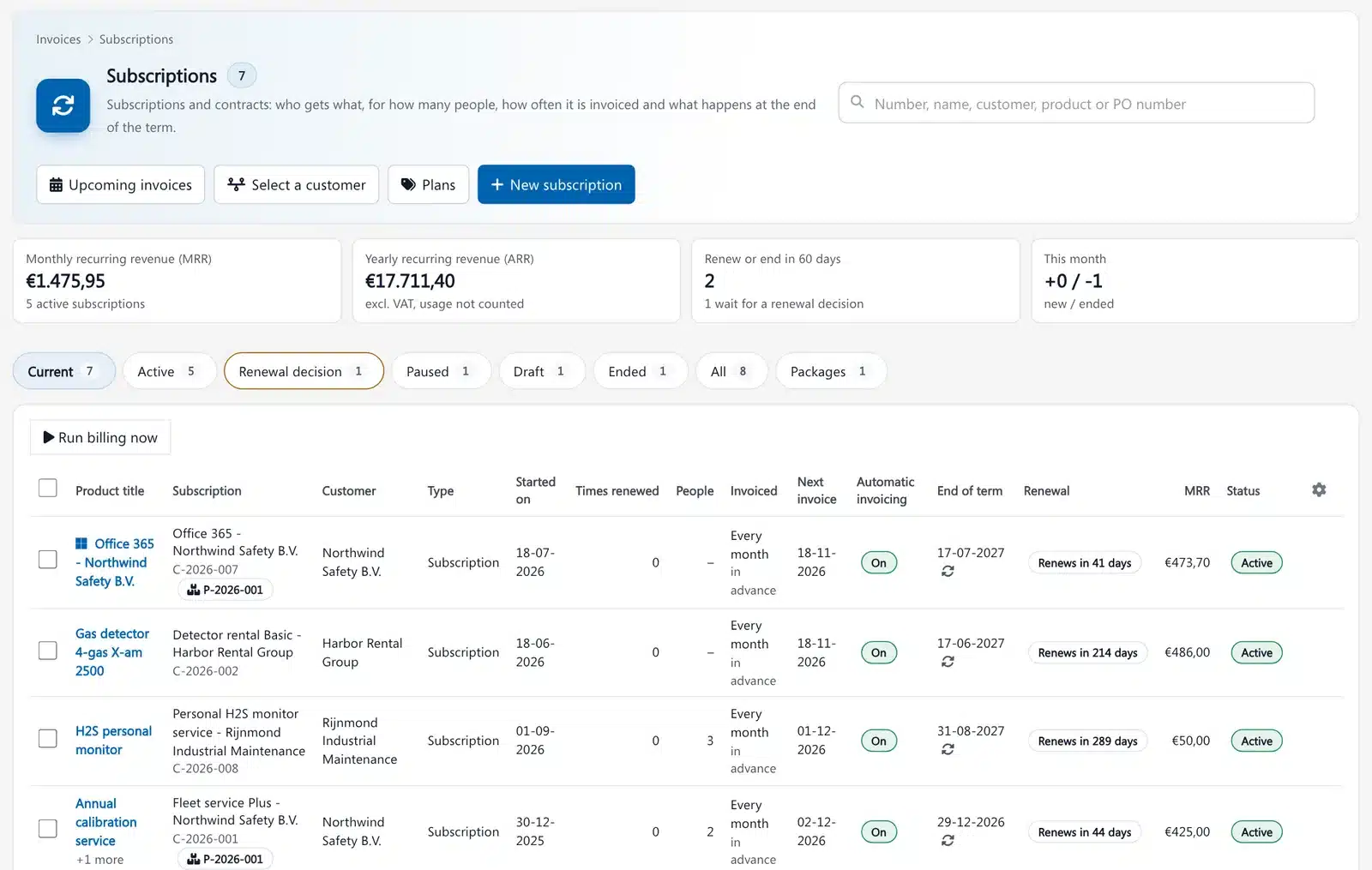
| Recurring revenue view | Shows MRR and ARR per customer and in total | You see what the installed base earns |
How Does Service Contract Management Work in Practice?
Step 1: Sell the contract from a quote
The contract starts as a quote that lists the equipment, the scope and the price. When the customer accepts, the quote becomes the contract, so nothing is typed twice. See how quote-to-invoice order processes avoid errors.
Step 2: Link the covered equipment
Every covered asset is linked to the contract by serial number and location. When the customer adds or removes equipment, the contract and the price change with it.
Step 3: Plan the visits automatically
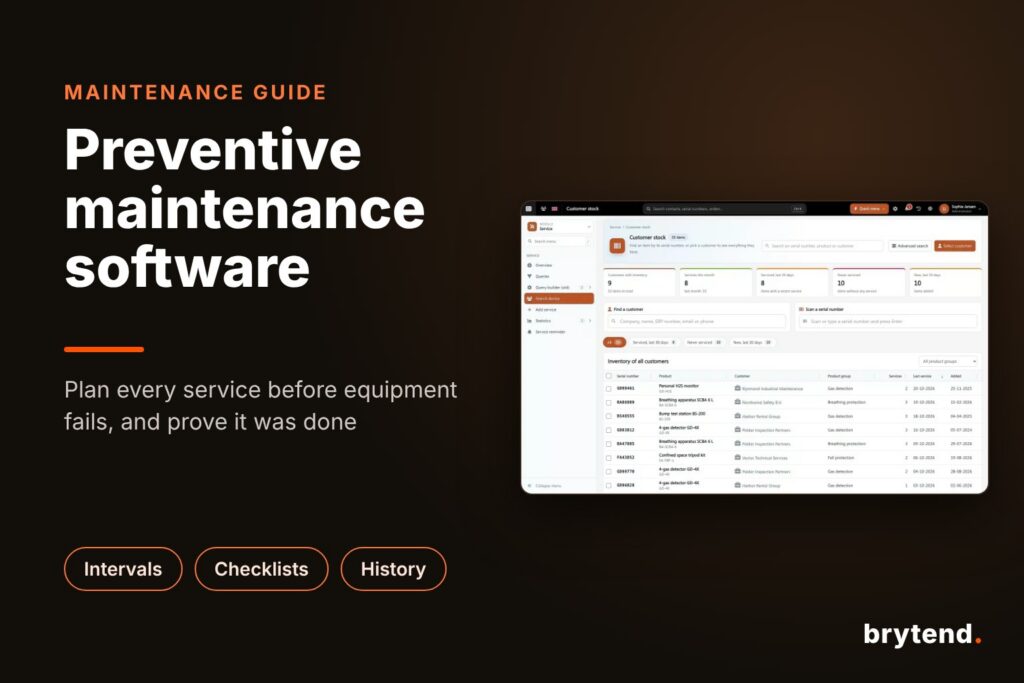
The service intervals of the covered equipment create the visits the contract promises. The planner sees every contract visit due this month next to the other work, as preventive maintenance software does for any planned job.
Step 4: Handle call-outs against the SLA
Breakdowns come in as tickets linked to the asset and the contract, with the time received and the time solved. That is the proof you need when a customer asks about response times.
Step 5: Bill the contract and the extras
The fixed contract fee is invoiced on schedule. Parts and work outside the scope are invoiced from the service record, so the customer gets a clear split between contract and extras.
Step 6: Review and renew
Before the end date, compare the contract’s revenue with the hours and parts it used, set the new price and send the renewal.
How Do You Price a Service Contract Profitably?
A service contract is a bet on how much work a set of equipment will need. To price it well, base it on data rather than gut feeling:
- Planned work: visits per year times the time per visit and per asset, plus travel
- Expected parts: consumables and wear parts per asset type, from your history
- Unplanned work: the average number of call-outs per asset, if they are included
- Response time: a 4-hour SLA costs more to deliver than next-business-day
- Indexation: agree in the contract how the price follows wages and inflation
Our article on service pricing for equipment service companies compares hourly, fixed-price and contract models in more detail.
How Does Brytend Handle Service Contracts?
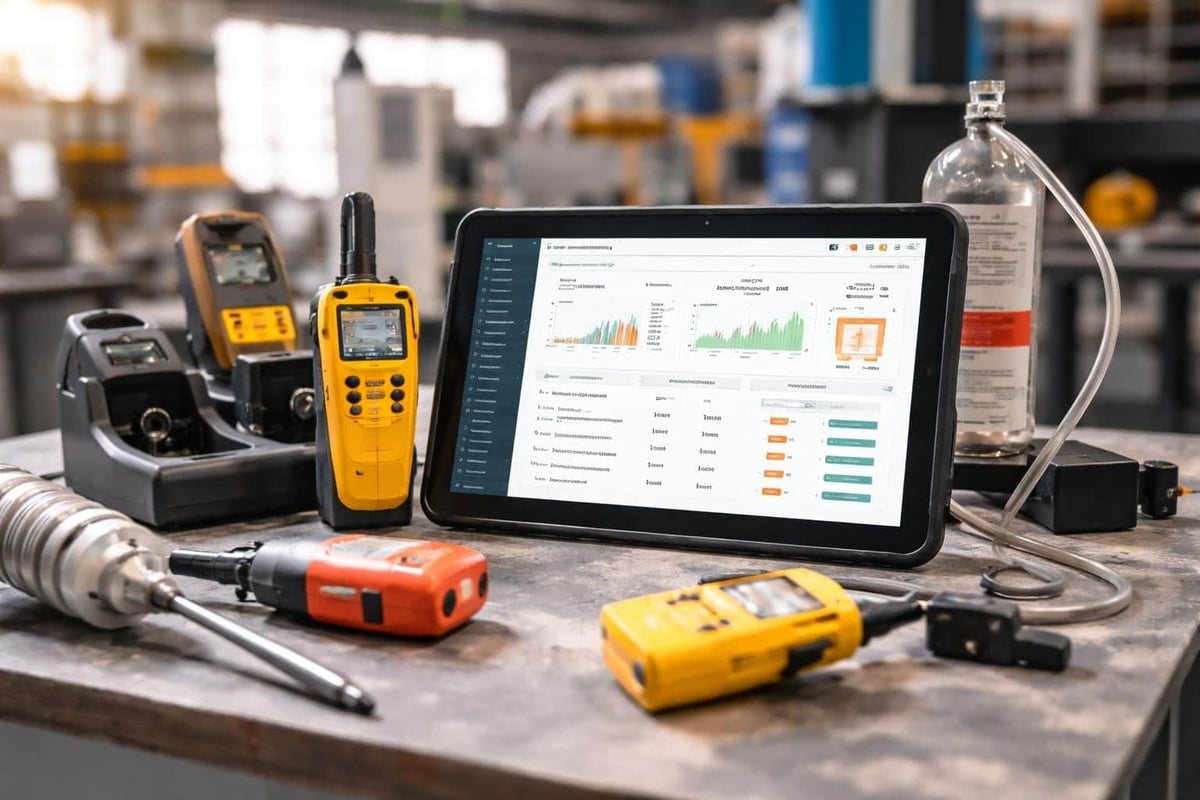
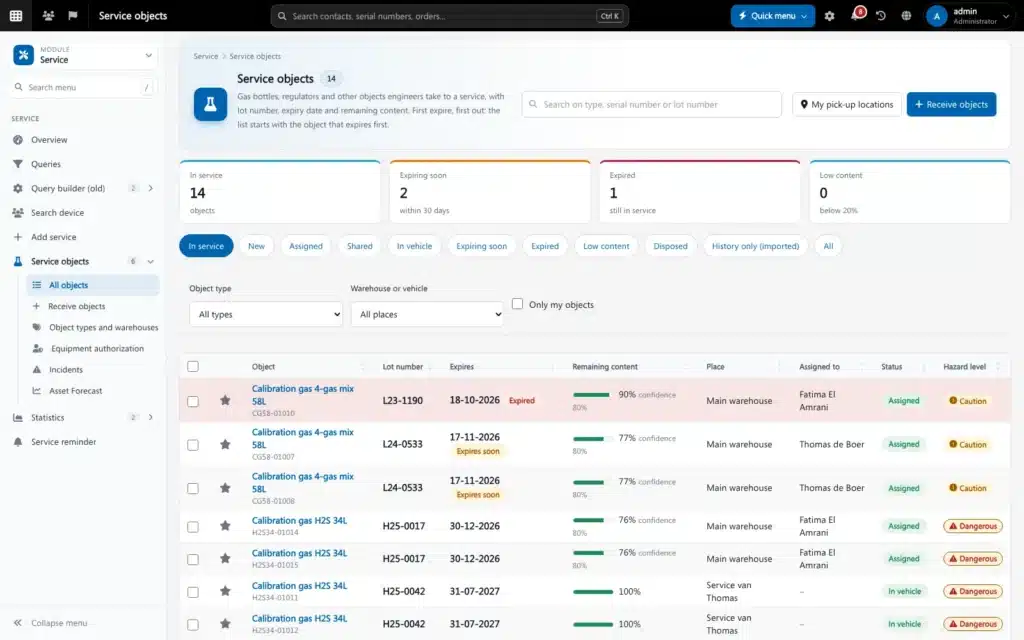
In Brytend, service contracts and subscriptions are part of the same platform as the equipment, the planning and the invoices. Each contract has its customer, monthly or yearly terms, renewal date and recurring revenue, and Brytend Invoicing bills it automatically, together with Peppol e-invoices where your customers need them. The covered equipment lives as customer stock in the Service and Inspections module, with service reminders, numbered service records and reports, while call-outs come in as help desk tickets linked to the unit, with status and times.
Because quotes, CRM, service and invoicing share the same records, you can see per customer what the contract earns, which equipment it covers and what work was done, in one place. This is why HVAC and building services firms, fire safety companies and gas detection specialists run their maintenance contracts in Brytend.
What Are Common Service Contract Mistakes?
- A vague scope: “maintenance included” without listing visits, parts and exclusions leads to disputes
- No asset list in the contract: you cannot tell covered equipment from billable equipment
- Automatic renewal without review: loss-making contracts renew for another year
- No indexation clause: wage increases eat the margin year after year
- Contract billing kept separate from service: extras are missed because the invoice does not know what the technician did
Frequently Asked Questions About Service Contract Management Software
What is service contract management software?
Service contract management software manages the agreements under which a company maintains equipment for its customers. It stores which assets each contract covers, the scope, service intervals, response times, price and renewal date, plans the visits the contract promises and bills the contract automatically. It is built for service companies, not for legal teams.
How is service contract management different from general contract management?
General contract management software handles the legal life of any contract: drafting, approval, signatures and storage. Service contract management is about delivering and billing a recurring service: which equipment is covered, which visits are due, whether response times are met and whether the contract is profitable. Many service companies need the second, not the first.
What should a maintenance contract include?
A maintenance contract should list the covered equipment with serial numbers and locations, the work included (visits per year, parts, labour, call-outs), response times, exclusions, the price and how it is indexed, the payment terms, the start and end date and the notice period for renewal. The clearer the scope, the easier it is to price extra work.
How do you price a service contract?
Start from the planned work per year: visits, hours, travel and expected parts per asset. Add a margin for unplanned call-outs based on your history, and your overhead and profit. Many companies offer two or three levels, such as inspection only, inspection plus parts, or full cover. Our guide to service pricing explains the models.
What is an SLA in a service contract?
An SLA (service level agreement) is the part of a service contract that sets measurable promises, such as a response time of 4 or 8 hours for a breakdown, an uptime percentage or a maximum repair time. To keep an SLA you need to record when a call came in and when it was answered and solved.
How do you track maintenance contract renewals?
Store the end date and notice period of every contract and list the contracts that end in the next 60 to 90 days. That gives sales time to review the contract’s profitability, update the price and send the renewal. Software that shows recurring revenue per customer makes this a routine instead of a scramble.
Can service contracts be invoiced automatically?
Yes. Contract billing can run monthly, quarterly or yearly from the contract itself, with indexation applied on the anniversary. Work outside the scope, such as extra repairs or parts, is then invoiced separately from the service record, so nothing is billed twice or forgotten.
Service contracts are the most valuable revenue a service company has, because they repeat every year and keep the customer close. They stay valuable only when every promised visit is delivered, every extra is invoiced and every renewal is priced on real numbers. If you want your contracts, covered equipment, visits and invoices in one system, Brytend lets you try it free for 90 days.