A generator maintenance checklist lists the checks that keep a generator ready to start and carry its load: engine oil and coolant, belts and hoses, air and fuel filters, fuel quality, the battery and charger, the alternator and connections, the exhaust, the control panel and the transfer switch, followed by a test run. Standby generators are checked weekly or monthly and serviced at least once a year, and every check and test run is recorded.
TL;DR:
- Weekly or monthly: visual inspection, fluid levels, battery, alarms and a test run
- Exercise standby generators regularly under load, not only at idle
- Yearly or by running hours: oil, filters, coolant and a full service
- Test fuel quality and drain water from separators
- Load bank test when the building load is too low during routine runs
- Record every run, reading and fault per generator
A generator maintenance checklist is what makes sure the generator starts in the one moment it is needed.
Why Is Generator Maintenance So Important?
A standby generator may sit idle for months, then has to start within seconds when the power fails. The most common causes of a failed start are simple: a flat battery, fuel problems, low coolant or a fault left on the controller. All of them are found by a regular check.
For emergency power systems, codes set the routine. In the US, NFPA 110 covers emergency and standby power systems, including regular exercising and testing. Hospitals, data centres and other critical sites usually have their own requirements on top.
Weekly or Monthly Generator Checklist
Visual inspection
- No leaks of oil, coolant or fuel under or around the generator
- No loose, damaged or rubbing hoses and cables
- Air intake and exhaust clear, enclosure louvres not blocked
- Generator area clean, dry and free of stored materials
Fluids and filters
- Engine oil level on the dipstick
- Coolant level and block heater working
- Fuel level and the fuel/water separator drained
- Air filter restriction indicator
Battery and controls
- Battery charger on and in float mode; battery voltage recorded
- Terminals clean and tight, no corrosion
- Controller in automatic mode, no active alarms
- Emergency stop not engaged, run hours recorded
Test run
- Start and record the time to reach rated voltage and frequency
- Record oil pressure, coolant temperature, voltage, frequency and load
- Listen for unusual noise, check for vibration, smoke and exhaust leaks
- Run long enough at load to reach operating temperature, then record the cool-down

Yearly Generator Service Checklist
- Change engine oil and oil filter (or at the hour interval in the manual)
- Replace fuel filters and air filter
- Test coolant condition and freeze protection; inspect radiator and hoses
- Inspect and tension drive belts
- Load test the battery; replace at the end of its service life
- Inspect alternator windings, connections and the voltage regulator
- Test the automatic transfer switch under a simulated mains failure
- Test the fuel for water, microbes and degradation
- Check protective devices, alarms and shutdowns
- Load bank test if routine runs do not reach a proper load
Generator Maintenance Intervals at a Glance
| Task | Weekly | Monthly | Yearly |
|---|---|---|---|
| Visual inspection and fluid levels | ✓ | ✓ | |
| Battery voltage and charger | ✓ | ✓ | |
| Test run with readings | Per manufacturer | ✓ (under load) | |
| Drain fuel/water separator | ✓ | ||
| Oil, filters and belts | ✓ or by hours | ||
| Transfer switch test | ✓ | ||
| Fuel quality test | ✓ | ||
| Load bank test | When needed |
Always follow the manufacturer’s manual and the code that applies to the site; these are common intervals, not legal requirements.
How Do Service Companies Manage Generator Maintenance?
Generator service companies and rental firms look after many units across many sites, each with its own model, running hours and contract. To keep it under control they:
- Register every generator with serial number, engine and alternator details, site and contract
- Plan visits from calendar dates and running hours, as preventive maintenance software does
- Give technicians a digital checklist with fields for every reading
- Send the customer a report with readings and findings after every visit
- Track rental generators between hires, with a check before each one goes out, see rental software
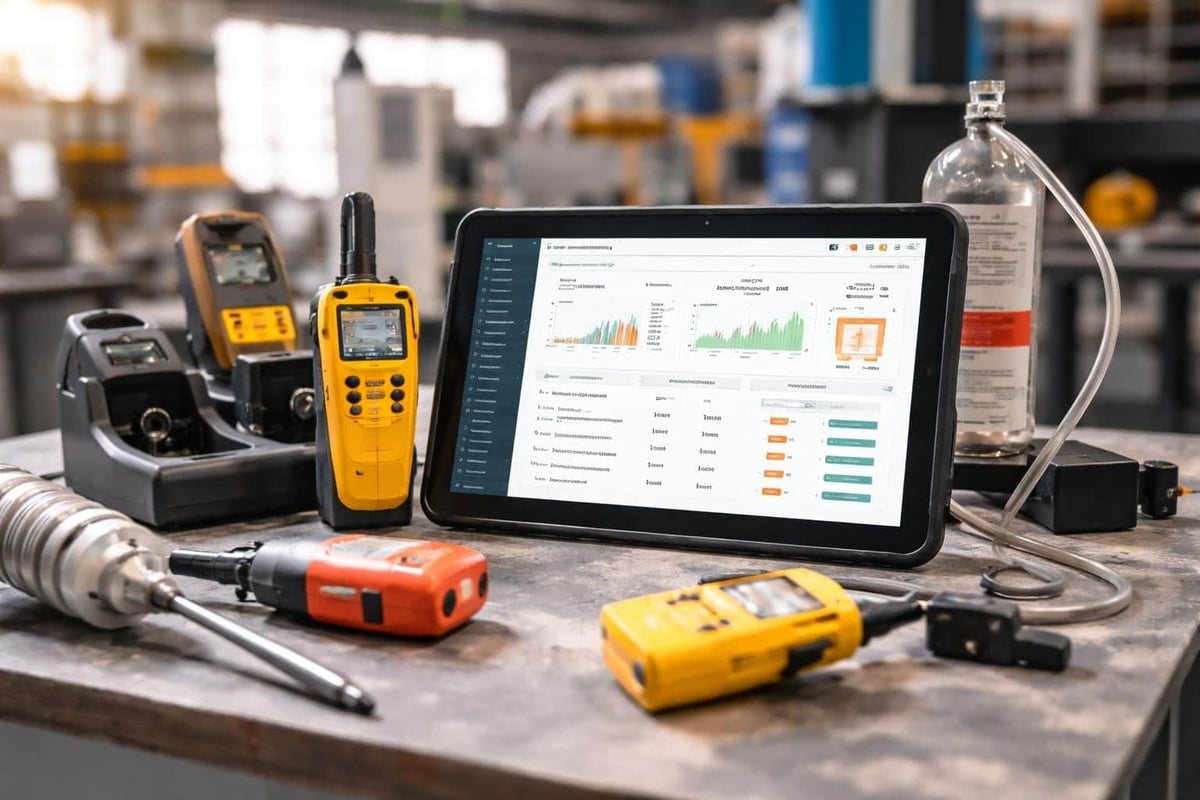
In Brytend, every generator is a registered asset with its own service checklist, readings, documents and history in the Service and Inspections module. Service reminders plan the visits, technicians record readings in the mobile app, maintenance contracts are billed automatically, and rental units run through Brytend Rental.
What Are Common Generator Maintenance Mistakes?
- Idling instead of load testing: long runs at no load cause wet stacking in diesels
- Ignoring the battery: the most common reason a generator does not start
- Old fuel: stored diesel degrades and collects water
- Never testing the transfer switch: the generator runs, but the building never switches over
- No run log: without readings you cannot see a slow decline
Frequently Asked Questions About Generator Maintenance
What is on a generator maintenance checklist?
A generator maintenance checklist covers the engine (oil, coolant, belts, hoses, air filter), the fuel system (level, quality, leaks, water), the battery and charger, the alternator and electrical connections, the exhaust, the control panel and alarms, the transfer switch and a test run under load. Each check is recorded with readings.
How often should a standby generator be run?
Many manufacturers recommend running a standby generator regularly, often weekly or monthly, for about 15 to 30 minutes. For emergency power systems in the US, NFPA 110 requires monthly exercising under load for at least 30 minutes. Running it only without load for long periods can cause wet stacking in diesel engines.
How often should a generator be serviced?
A typical schedule is a visual inspection weekly or monthly, a basic service with oil and filter change every year or after a set number of running hours, and a major service every few years. The manufacturer’s manual and the generator’s running hours decide the exact intervals.
What is wet stacking in a diesel generator?
Wet stacking is the build-up of unburned fuel and soot in the exhaust when a diesel engine runs too long at a low load. It reduces performance and can damage the engine. Regular running at a proper load, or a periodic load bank test, prevents it.
What is a load bank test?
A load bank test connects the generator to an artificial electrical load to prove it can deliver its rated power for a set time. It is used when the building load during routine tests is too low, and it also burns off deposits from light-load running.
How long can diesel fuel be stored in a generator?
Diesel fuel degrades over time and can absorb water and grow microbes. Many service providers test stored fuel at least once a year and polish or treat it as needed. Keeping tanks full and draining water from separators reduces problems.
Who should maintain a generator?
Owners or site staff can do visual checks and record weekly test runs. Oil changes, electrical tests, load bank tests and repairs should be done by trained generator technicians, especially on standby systems that protect hospitals, data centres and other critical sites.
Generator maintenance is mostly simple checks done consistently: fluids, battery, fuel and a proper test run, plus a yearly service. The value is in never skipping them and keeping the record. If you maintain or rent out generators and want every unit, checklist, reading and contract in one place, Brytend lets you try it free for 90 days.