A fall protection equipment inspection checklist covers the checks on harnesses, lanyards, energy absorbers, self-retracting lifelines (SRLs), connectors and anchors. The user checks the equipment before every use, and a competent person inspects it in detail at fixed intervals, at least yearly under US ANSI guidance and every 6 months under UK HSE guidance, or more often for heavy use. Any item that has arrested a fall, fails a check or has no traceable history is removed from service.
TL;DR:
- Pre-use check by the user, every time
- Periodic detailed inspection by a competent person, with a record per item
- Webbing, stitching, hardware, labels and fall indicators are the key points
- Remove from service after a fall arrest or any failed point
- Track each item by ID: who has it, when it was inspected, when it is due
A fall protection equipment inspection checklist is the routine that makes sure the last line of defence against a fall actually holds.
Which Rules Apply?
In the US, OSHA 1926.502 requires personal fall arrest systems to be inspected before each use for wear, damage and deterioration, and defective components to be removed from service. The ANSI/ASSP Z359 standards add periodic inspections by a competent person, at least once a year. In the UK, harnesses and lanyards are PPE that must be maintained, and HSE guidance recommends a pre-use check, a detailed inspection at least every 6 months (every 3 months for arduous use) and, in some cases, interim inspections. Always follow the manufacturer’s instructions too.
Safety Harness Inspection Checklist
Webbing
- Cuts, tears, fraying or abrasion
- Burns, melted fibres, weld splatter or heat damage
- Chemical damage, stains or hardened areas
- UV damage: faded or brittle webbing
Stitching
- Broken, cut, pulled or missing stitches
- Fall indicators intact (not deployed)
Hardware
- D-rings, buckles and adjusters free of cracks, distortion, corrosion and sharp edges
- Buckles fasten and release correctly
- No unauthorised modifications
Labels and records
- Labels legible: manufacturer, model, standard, date of manufacture, serial number
- Within the manufacturer’s maximum service life
- Inspection history traceable
Lanyard, Energy Absorber and SRL Checklist
- Lanyard webbing or rope: cuts, fraying, burns, chemical damage, kinks
- Energy absorber: pack intact, cover undamaged, no signs of deployment
- Connectors and snap hooks: gates close and lock automatically, no distortion or corrosion
- SRL housing: no cracks, missing screws or damage
- SRL line: extend fully and check the whole length; the line retracts smoothly
- SRL brake: a sharp pull locks the line
- Fall indicators: not activated
Anchors and Anchor Devices
- Fixed anchors secure, undamaged and within their inspection date
- Portable anchors, beam clamps and slings in good condition
- Horizontal lifelines tensioned and inspected per the manufacturer
- Anchor points rated for the system and the number of users
Inspection Intervals at a Glance
| Inspection | Who | When |
|---|---|---|
| Pre-use check | User | Before every use |
| Detailed inspection (UK HSE guidance) | Competent person | At least every 6 months; every 3 months for arduous use |
| Competent person inspection (US ANSI Z359) | Competent person | At least yearly, more often per manufacturer or conditions |
| After a fall arrest | Competent person | Remove from service immediately |
| Factory service (some SRLs) | Manufacturer or authorised centre | Per manufacturer |
How Do Safety Companies Track Fall Protection Equipment?
Safety equipment suppliers, rental firms and large contractors manage hundreds or thousands of harnesses, lanyards and SRLs. They need to know where each item is, who has it, when it was last inspected and whether it may be issued. A digital register does that:
- Each item has a unique ID, serial number, manufacture date and maximum service life
- Inspections are recorded on a phone, with photos of defects
- Due dates are calculated automatically and items that are overdue or failed cannot be issued
- Items can be issued to a person or a site, see our PPE inspection checklist and the guide to SCBA inspection
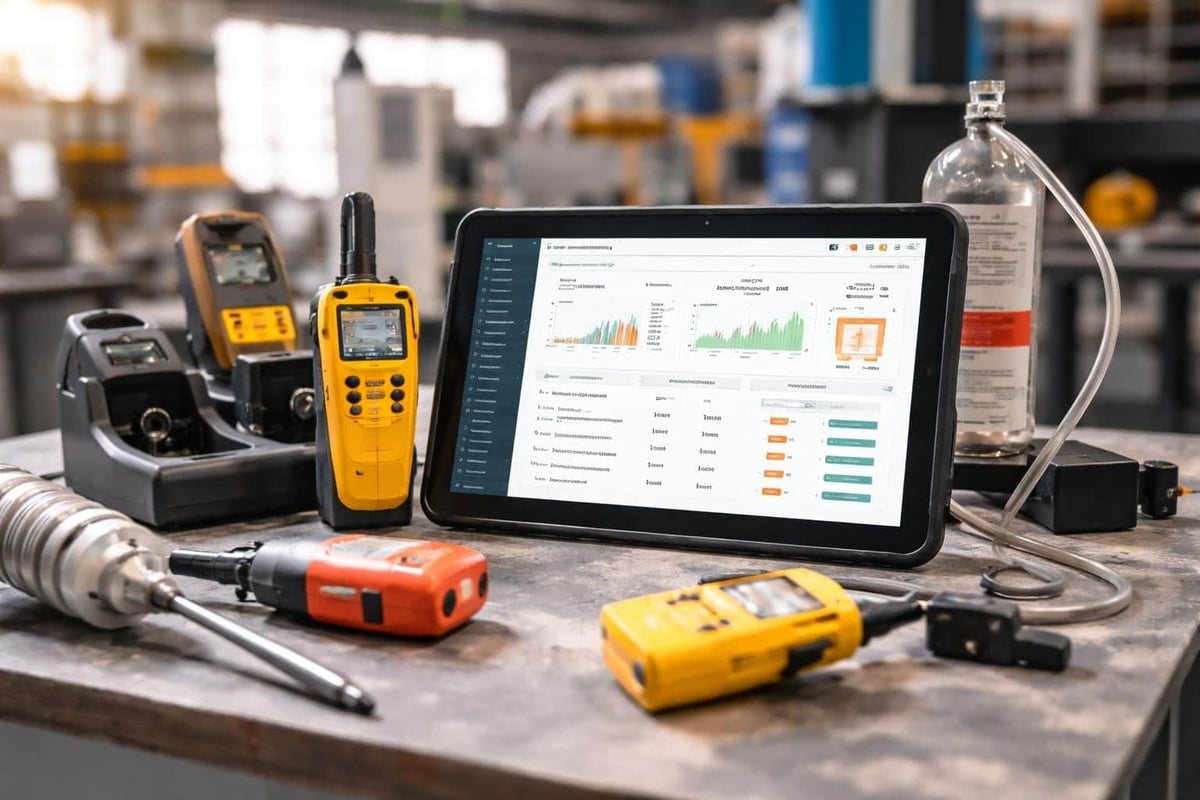
In Brytend, every harness, lanyard, SRL and anchor device is registered per customer, site or employee with its inspections, certificates and service life in the Service and Inspections module. You build the inspection form with your own checks, the next due date is set automatically, and items can be lent out and taken back in the mobile app. Fire and safety companies use it to inspect and manage all safety equipment for their customers in one place.
What Are Common Fall Protection Inspection Mistakes?
- Skipping the pre-use check: damage can happen on any job
- Keeping a harness after a fall: it must be removed from service, even if it looks fine
- Unreadable labels: without them you cannot prove the item’s age or standard
- Storing equipment in sunlight or near chemicals: both weaken webbing
- No item-level records: a pile of identical harnesses with no IDs cannot be traced
Frequently Asked Questions About Fall Protection Equipment Inspection
How often should fall protection equipment be inspected?
Fall protection equipment must be checked by the user before each use. In addition, a competent person must inspect it periodically: ANSI Z359 in the US calls for at least yearly competent person inspections, and UK HSE guidance recommends detailed inspections at least every 6 months, or every 3 months for arduous use. The manufacturer’s instructions may set shorter intervals.
What should you check on a safety harness?
Check the webbing for cuts, fraying, burns, chemical damage and UV fading; the stitching for broken or pulled threads; the D-rings and buckles for cracks, distortion, corrosion and sharp edges; the labels for legibility; and the fall indicator for signs that the harness has arrested a fall.
When must a harness be taken out of service?
A harness must be removed from service if it has arrested a fall, fails any inspection point, has unreadable labels or no traceable inspection history, has passed the manufacturer’s maximum service life, or if there is any doubt about its condition. Only a competent person can return it to use.
What is a competent person inspection?
A competent person inspection is a detailed, documented inspection by someone with the training and experience to identify hazards and defects in fall protection equipment, and the authority to remove it from service. It is more thorough than the user’s pre-use check and is recorded per item.
How do you inspect a self-retracting lifeline (SRL)?
Check the housing for damage, the lifeline (webbing or cable) for cuts, kinks, corrosion and fraying along its full length, the hook and swivel for damage and correct locking, the retraction and braking by pulling sharply on the line, and the fall indicator. Many SRLs also need periodic factory service per the manufacturer.
Does the inspection need to be recorded?
Yes. Periodic inspections by a competent person should be recorded per item, with the date, inspector, result and next due date. Many organisations also record pre-use checks for high-risk work. Records let you prove equipment was safe and show when an item was withdrawn.
Can fall protection equipment be tracked digitally?
Yes. Each harness, lanyard and SRL gets a unique ID or QR code. Inspections are recorded on a phone, due dates are calculated automatically, items can be linked to the person they are issued to, and failed items are blocked from issue.
Fall protection equipment only gets one chance to work. A pre-use check every time, a recorded inspection by a competent person on schedule and immediate removal of anything doubtful keep that chance as high as possible. If you inspect or supply fall protection and other safety equipment and want every item, inspection and certificate in one place, Brytend lets you try it free for 90 days.